 based on 4 reviews
The Langtang Valley Trek wildlife is one of the most interesting parts of trekking in Nepal’s Himalayas. This area is home to many different Himalayan animals, from hard-to-see snow leopards to the rare red panda, all living in Langtang National Park. For first-time trekkers, seeing these animals in the wild makes the trip extra special. In this guide, you will learn which animals you might see, where to find them, and how to watch them safely during your trek.
From forest trails to high meadows, the Langtang region gives trekkers a chance to see wildlife up close while exploring a rich natural environment. We will be covering both common and rare animals, including mammals and birds, their habitats, and tips for watching them safely and respectfully. If you want easy wildlife information before planning your trip, this guide will help you get started with Abound Holidays.
Start planning your adventure today and see why travelers trust Abound Holidays for an unforgettable journey.
Overview of Langtang Valley Wildlife
The Langtang Valley is home to a wide variety of animals and birds. Wildlife lives well here because of the thick forests, high meadows, rivers, and protected areas. Trekkers might see some animals along the way, and local guides can help point out the harder-to-find ones. Many first-time trekkers are surprised by how many small mammals and birds they can see on the trail.
Quick facts about Langtang Valley Trek wildlife:
- Red panda and snow leopard are among the rare Himalayan species.
- Himalayan tahr, musk deer, and langur monkeys are commonly seen.
- Over 200 bird species inhabit the valley, including high-altitude and forest birds.
- Wildlife sightings are more frequent at lower elevations and during early mornings.
Why Wildlife Matters in Langtang Valley
The variety of life in Langtang Valley Trek helps keep the ecosystem balanced, with each animal and plant playing a part. Wildlife is closely tied to the area’s natural and cultural identity, and watching these animals gives trekkers a better understanding of the Himalayan environment.
Protected areas like Langtang National Park keep homes safe for endangered species. This region is important for conservation, and trekking responsibly helps support these efforts. Seeing animals in their natural homes makes any trek more meaningful.
You can explore the best time for Langtang Valley Trek wildlife to match your visit with the most active fauna seasons.
Key Animal Species in Langtang Valley
Langtang Valley has many different animals living at different heights. From thick forests to open meadows, each area has its own types of animals, giving trekkers a mix of wildlife to see. How often you see them can change, but even first-time trekkers can spot quite a few species along the trail.
Red Panda Langtang
Red pandas like cool forests with lots of bamboo. They are shy and usually come out at dawn and dusk, so seeing them is rare but unforgettable. Langtang’s mixed forests are a perfect home for these animals. Watching them from a distance is important, and going with a guide makes it easier and safer to see them.
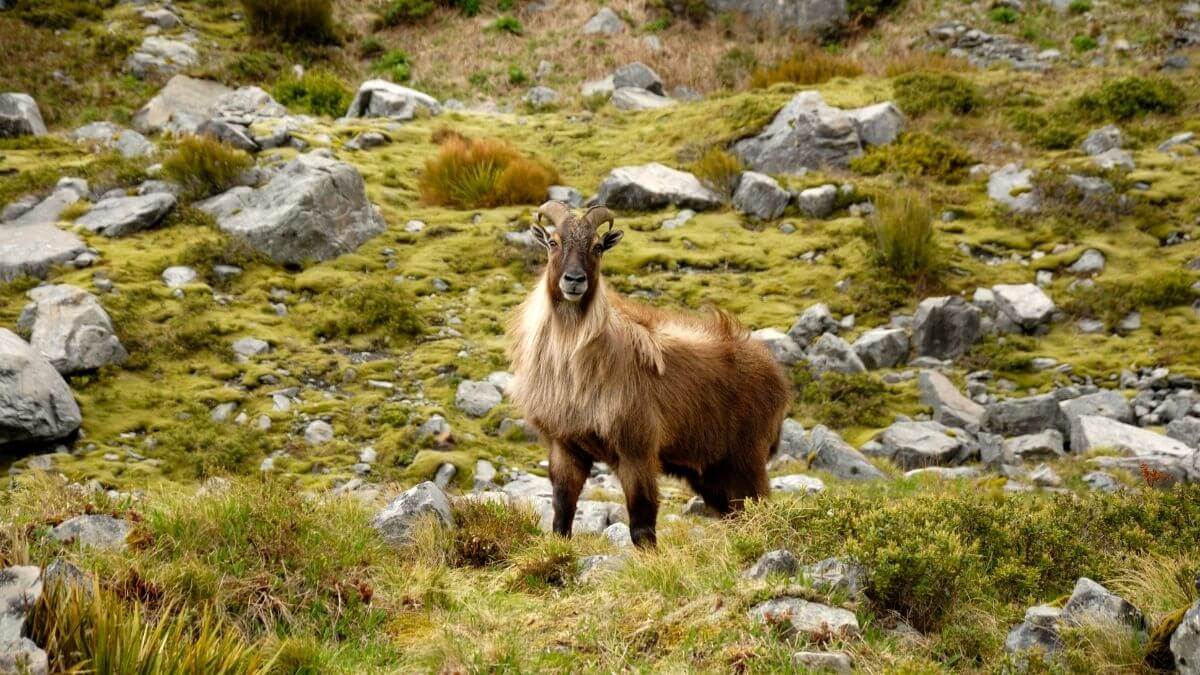
Himalayan Tahr
Himalayan tahr are strong mountain goats that feed on plants in the high slopes. They handle the rocky land of Langtang Valley really well and are easiest to spot on open ridges. Watching them quietly from the trail lets trekkers see how they act naturally without bothering them.
Snow Leopard
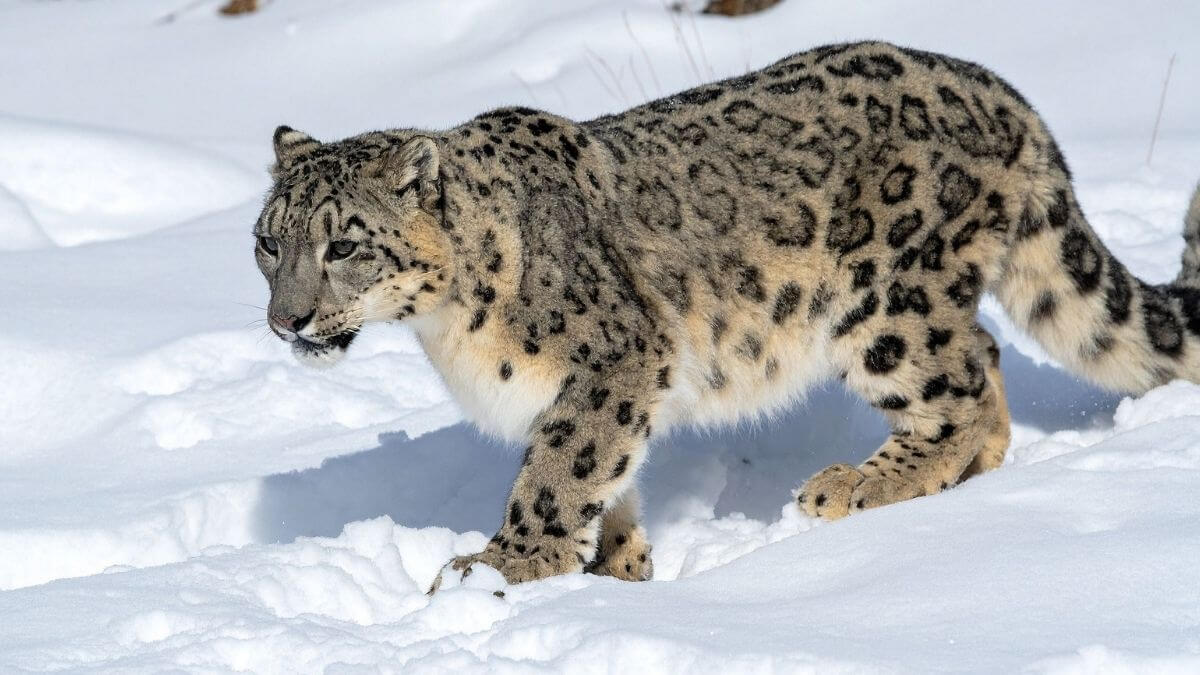
Snow leopards in langtang valley are among the most elusive animals. Typically found at higher elevations, they play an important role in maintaining ecological balance. Conservation efforts, including patrolling and research, support their survival, though sightings remain extremely rare.
Langur Monkeys
Langur monkeys inhabit forested sections of the valley. Trekkers may notice them leaping between trees or feeding quietly. Maintaining a safe distance ensures the animals remain undisturbed while allowing travelers to enjoy their social behavior.
Pikas, Musk Deer, and Other Small Mammals
Small mammals like pikas and musk deer are common in Langtang Valley. You can often see them near rocky slopes and meadows. Even if you don’t see them directly, trekkers can spot their tracks or signs of feeding, which adds to the wildlife experience.
Birdlife in Langtang Valley
The valley is a home for many Himalayan bird species. Birdwatchers can enjoy seeing a wide range of birds along the trails and in open areas. The height of the land affects which birds you see, from those living in forests to ones that come to higher areas.
Common Bird Species
Along forested trails, trekkers may encounter colorful species with distinctive calls, such as pheasants, laughing thrushes, and sunbirds. Observing their feeding and movement patterns is an enjoyable activity for beginners.
High-Altitude Birds
At higher elevations, near yak pastures and alpine zones, species like choughs and snowcocks appear. Many of these birds are seasonal or migratory, so timing your trek can improve sightings.
Best Seasons for Wildlife Viewing
The best season for wildlife viewing would be either spring or autumn, which is also the best seasons for any trek in Nepal. Seasonal changes affect wildlife activity in Langtang Valley. Animals are more active during cooler months, and early mornings generally provide the best chance to see them. Visibility can be affected by snow, rain, or fog, so certain months offer clearer opportunities for spotting rare species.
Langtang Valley Trek Wildlife Spot
Wildlife can be seen in various zones along the trek:
- Forests and riversides: Langur monkeys, red pandas, and birds.
- Alpine meadows and open terrain: Himalayan tahr, musk deer, and high-altitude birds.
- Elevational bands: Lower valleys are easier for sightings, while upper ridges are best for mountain goats and rare carnivores.
Local guides help trekkers find wildlife without disturbing their habitats. Check our Langtang Valley Trek packing list to stay prepared for the outdoor environment where these animals live.
Safety and Responsible Wildlife Viewing
As a trekker on the Langtang Valley Trekking wildlife tour, you should keep your distance and respect the animals’ homes. Be careful on the trek as feeding them or trying to get too close can be dangerous for both you and the wildlife.
Following simple trail rules, like staying quiet and moving slowly when animals are around, makes the experience safe and enjoyable. Beginners should remember that being patient and watching carefully is the best way to see wildlife safely.
If you want to read more about overall Langtang Valley Trek safety before you head to the destination for adventure, be sure to read these tips for successful trek.
How Langtang National Park Protects These Species
Langtang National Park manages patrolling, research, and habitat conservation to protect wildlife. Community involvement raises awareness and encourages responsible tourism. When trekkers follow guidelines and book with reputable agencies like Abound Holidays, their visits contribute positively to local conservation efforts.
Wildlife Compared to Other Popular Trekking Regions
Langtang’s wildlife differs from Everest and Annapurna regions:
- Red pandas are more commonly found in Langtang.
- Beginners often see small mammals and birds more easily here than in Everest.
- Alpine and forest diversity provides a wider range of species compared to other trails.
This comparison highlights why Langtang Valley is an ideal destination for first-time trekkers interested in wildlife.
Who Will Enjoy Langtang Valley Trek Wildlife Watching
Langtang Valley Trek Wildlife watching is something that can be enjoyed by every age group. Langtang Trek offers variety of flora and fauna and is very easy to reach. Which is why, this trek is perfect for:
- New trekkers curious about Himalayan animals.
- Bird watchers and nature lovers.
- People seeking quiet, less crowded trails.
- Families or beginners wanting a gentle wildlife introduction.

Quick Tips for Wildlife Spotting
- Walk quietly and stay observant.
- Use local guides for better spotting chances without disturbing habitats.
- Start early in the morning when animals are most active.
- Carry light binoculars for easy viewing.
Book Your Wildlife Adventure with Abound Holidays
Expert local guides can significantly improve wildlife viewing experiences. With knowledge of safe trekking practices, they help visitors explore the Langtang Valley while respecting habitats. We at Abound Holiday hire local guides who knows the trekking destination like their home for the best experience. We also have Itineraries that can be planned around the best seasons and zones for wildlife in langtang valley, ensuring first-time trekkers enjoy a well-prepared and memorable journey.
Plan your trip with Abound Holidays today and let our local experts guide you through an unforgettable adventure. Contact us for further inquiry.
Learn More About Langtang Valley Trek
Lantang Valley Trek Route | Langtang National Park | Langtang Valley Trek Safety | Langtang Valley Trek Photography | Essential Tips for Langtang Trek | Langtang Valley Trek Packing List | Best Time for Langtang Valley Trek
FAQs: Langtang Valley Trek Wildlife
What wildlife can I see on the Langtang Valley Trek?
Trekkers may see red pandas, snow leopards, Himalayan tahr, musk deer, langur monkeys, pikas, and over 200 bird species in the Langtang Valley Trek nature. Sightings depend on elevation, season, and timing of the trek.
Are red pandas really found in Langtang?
Yes, red pandas inhabit the cool, forested areas of Langtang Valley. They are shy and mostly active during dawn and dusk, making sightings rare but possible with guidance.
Which months are best for spotting animals?
Late spring (March to May) and autumn (September to November) offer the clearest conditions and active wildlife periods. Early mornings provide the highest chances for sightings.
Is it safe to encounter wildlife on the trail?
Yes, encounters are generally safe if you maintain distance and avoid feeding animals. Following trail etiquette and guidance from local experts ensures a secure experience.
How common are snow leopard sightings?
Snow leopards are extremely rare and elusive. Most trekkers do not see them, but their presence supports the ecological balance of the region.
Do I need special gear for wildlife viewing?
No specialized gear is required, but binoculars, quiet footwear, and layered clothing for early mornings can enhance your experience.
What birds are easy to see on the trek?
Common birds include pheasants, laughing thrushes, and sunbirds in forests, while choughs and snowcocks appear in higher alpine zones.
Can beginners expect to see many animals?
Yes, beginners often spot small mammals, monkeys, and birds. Rare species like red pandas or snow leopards are less common but rewarding if encountered.