 based on 5 reviews


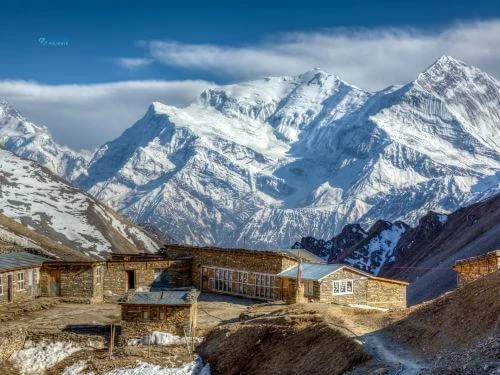
Nepal doesn't have one perfect travel window; it has several. The best month to visit Nepal depends on whether you're chasing clear mountain views, rhododendron trails, festival season, or simply the lowest price tag.
October wins for most travelers. But April is exceptional for spring trekking, November is unmatched for photography, and the monsoon months hide some of Nepal's best-kept secrets. The right month is the one that matches what you actually came for.
This guide breaks down every month: weather, trekking conditions, crowd levels, and what each one genuinely offers so you can plan around what matters most.
Quick Answer – Which Month Is Best for Visiting Nepal?
October is the best overall month to visit Nepal. Post-monsoon skies deliver exceptional mountain visibility, the Dashain festival fills the country with energy, and trekking conditions on every major route are at their peak.
Travel Goal | Best Month(s) | Highlights | Weather | Crowds |
October, November | Crystal-clear views, dry trails | Excellent | High | |
Spring trekking + rhododendrons | April, March | Blooming forests, warm trails | Very Good | Moderate–High |
Festival experience | October, November | Dashain, Tihar | Excellent | High |
Budget travel | July, August | Lowest prices, lush landscapes | Monsoon | Very Low |
Photography | November | Clearest light, autumn colour | Excellent | Moderate |
Wildlife safari | March, April | Warm, dry, excellent jungle visibility | Good | Moderate |
Quiet escape | December, January | Snow scenery, uncrowded trails | Cold | Very Low |
The best Nepal journeys are not measured in miles but in moments that stay with you forever. Choose the right season, walk the right trail, and travel with a local team that knows Nepal like home. Let Abound Holidays turn your dream adventure into memories you will carry for a lifetime.
Nepal Weather by Month at a Glance
Nepal runs on four distinct travel seasons: spring (March–May), monsoon (June–September), autumn (October–November), and winter (December–February). Each one shapes the experience in a different way.
- Autumn is peak trekking season: dry, clear, and alive with festivals.
- Spring brings warming temperatures and forest blooms across every major trail.
- Monsoon soaks most of the country but reveals a greener, quieter Nepal for those who know where to look.
- Winter closes the high passes but opens up the low-altitude destinations that rarely get the attention they deserve.
Month | Temp (Kathmandu) | Rainfall | Mountain Views | Trekking | Crowds |
January | 2°C – 19°C | Very Low | Good | Low altitude only | Low |
February | 4°C – 22°C | Low | Good | Low–Mid altitude | Low |
March | 8°C – 27°C | Low | Good | Excellent | Moderate |
April | 12°C – 30°C | Low–Moderate | Very Good | Excellent | High |
May | 16°C – 32°C | Moderate | Moderate | Mid altitude | Moderate |
June | 18°C – 30°C | High | Poor | Limited | Low |
July | 19°C – 29°C | Very High | Poor | Rain-shadow only | Very Low |
August | 19°C – 29°C | High | Poor–Moderate | Rain-shadow only | Very Low |
September | 17°C – 28°C | Moderate–Low | Improving | Improving | Low–Moderate |
October | 10°C – 25°C | Very Low | Excellent | Excellent | Very High |
November | 4°C – 22°C | Very Low | Excellent | Excellent | High |
December | 2°C – 18°C | Very Low | Good | Low altitude only | Low |
Visiting Nepal in January
- Best for: Wildlife, cultural touring, budget travel
- Avoid if high-altitude trekking is your goal
- Budget level: Low
January is Nepal's coldest month. Snow closes passes above 4,000 meters, and high-altitude routes like Everest Base Camp become a serious undertaking. But low-altitude Nepal in January is a different story entirely: accessible, peaceful, and genuinely underrated.
What works well:
- Pokhara: mild temperatures, crisp morning views of the Annapurna range, and a relaxed lakeside atmosphere with almost no tourist crowds
- Chitwan National Park: dry grasslands make Bengal tiger and one-horned rhino sightings easier than almost any other month
- Kathmandu Valley: Bhaktapur, Patan, and Pashupatinath Temple without the queues; this is how these places are meant to be experienced
- Ghorepani Poon Hill: Nepal's most rewarding short trek stays open in January and delivers sunrise Himalayan panoramas that rival anything on the Everest route
- Langtang Valley (lower section): manageable with proper gear, offering forest scenery and mountain views at a fraction of peak-season crowds
Prices are among the lowest of the year. Hotels, flights, and guides are all easy to book and easier to negotiate. If you don't need high-altitude trekking, January makes a strong case.
Visiting Nepal in February
- Best for: Wildlife, photography, early trekking
- Avoid if you need guaranteed high-altitude access
- Budget level: Low
February is winter's last chapter and one of the most quietly rewarding months to visit. Conditions improve week by week. By the end of the month, the trails feel more like early spring than deep winter.
What makes February worth considering:
- Rhododendrons start blooming at lower elevations by late February; the first colour of the season arrives on hillside trails around Ghorepani and the Annapurna foothills
- Chitwan and Bardia national parks offer outstanding wildlife photography; dry, low vegetation makes sightings more reliable than any other season
- Losar (Tibetan New Year) often falls in February; the celebrations in Boudhanath and the monasteries of Kathmandu are intimate and atmospheric
- Trekking trails below 3,500 metres are open, uncrowded, and personal, nothing like the busy thoroughfares of October
- Prices remain low and availability is easy across accommodation, guides, and permits
If you want Nepal before the spring crowds arrive but with more open trails than January, February hits the right balance.
Visiting Nepal in March
- Best for: Spring trekking, rhododendron trails, Holi festival
- Avoid if you dislike building crowds or need reliable high-altitude weather
- Budget level: Moderate
The trails wake up in March. Rhododendron forests along the Annapurna and Everest routes burst into vivid reds, pinks, and whites, the kind of scenery that stops you mid-stride and makes you reach for the camera. Spring trekking season has officially begun.
Trekking in March:
- The Annapurna Circuit and Annapurna Sanctuary (ABC) trek are at their most visually spectacular between 2,000 and 3,500 meters, where rhododendron forests dominate the trail
- Langtang Valley is quieter than the Everest and Annapurna circuits and equally rewarding in March
- Everest Base Camp is viable but still cold at high camp; experienced trekkers with proper gear handle it well; first-timers may prefer April
- Nights at altitude remain cold; layering is essential even on warm spring days
- Festivals: Holi falls in March; the streets of Kathmandu and Pokhara turn into celebrations of color and water. It's chaotic, joyful, and entirely worth timing your arrival around.
Crowds are building but haven't hit April's intensity. It's one of the best months for trekkers who want spring scenery without feeling like they're on a conveyor belt.
Visiting Nepal in April
- Best for: Trekking, peak climbing, festivals, spring photography
- Avoid if you dislike crowds or need to keep costs down
- Budget level: High
If Nepal had a postcard season, April would be it. Rhododendron forests are in full bloom. The sky is clear. Trails from the Annapurna foothills to the Khumbu Valley are at their most alive. Temperatures at altitude sit between 10°C and 20°C during the day, warm enough to enjoy the walk and cool enough to keep moving.
Why April performs so well:
- Everest Base Camp offers clear views of Lhotse, Nuptse, and the Khumbu Icefall at manageable temperatures even at 5,364 meters.
- The Annapurna Circuit's Thorong La pass (5,416m) is fully open and consistently accessible
- Mustang blooms with apple blossom; local festivals bring villages to life in a way most visitors never see
- Bisket Jatra (Nepali New Year) in mid-April brings chariot processions and street celebrations to Bhaktapur, one of the most distinctive festivals in the Kathmandu Valley
- Expedition teams preparing for Everest summit attempts are active in the Khumbu; the Base Camp atmosphere in April is electric
Best activities:
- High-altitude trekking (Everest, Annapurna, Manaslu)
- Peak climbing: Island Peak and Mera Peak conditions are excellent
- Valley hiking and landscape photography
- Cultural festivals across the Kathmandu Valley
Why April Is One of the Best Months for Nepal
April earns its ranking because it combines everything that makes Nepal worth the journey: stable, low-precipitation weather; comfortable temperatures at high altitudes; and strong mountain visibility before pre-monsoon haze builds in May. The rhododendron blooms that line trails from the Annapurna foothills to the Solu-Khumbu add a visual dimension that October, the other peak month, simply doesn't offer. For spring trekkers, there is no better month.
Visiting Nepal in May
- Best for: Experienced trekkers, peak climbing, avoiding crowds
- Avoid if you're a first-time trekker or need reliable, clear skies
- Budget level: Moderate
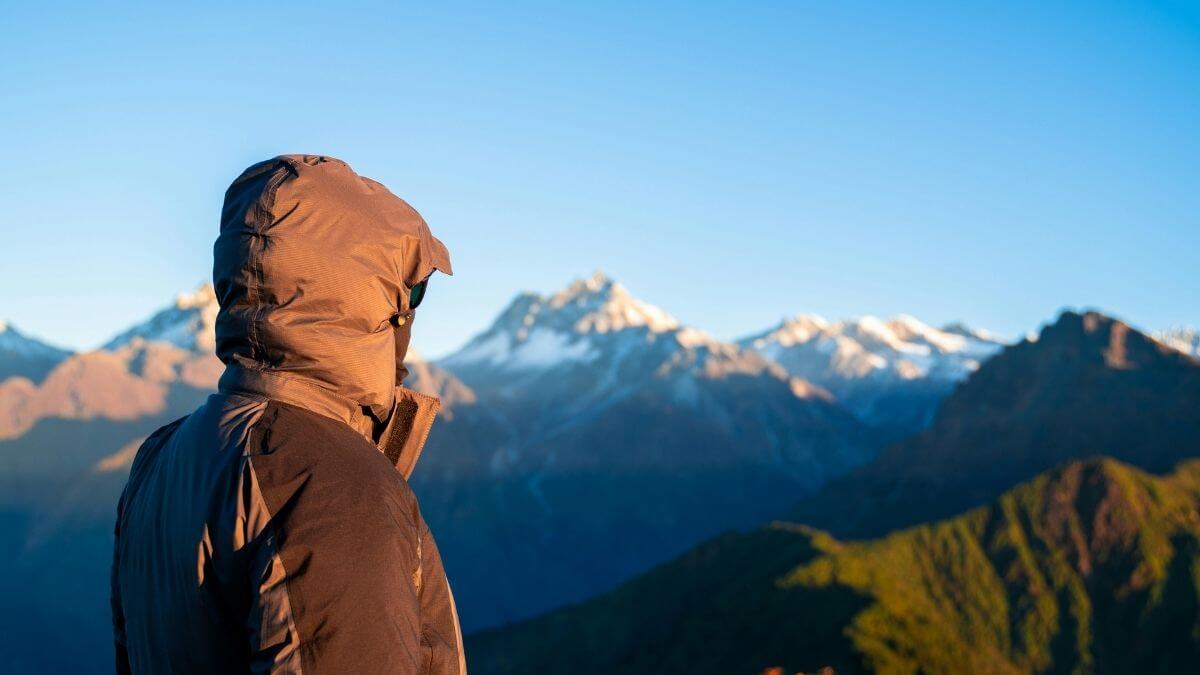
May is a transition month. Spring trekking season winds down as the monsoon approaches. Kathmandu gets hot and hazy. But above 3,500 meters, conditions remain viable, particularly in the first two weeks.
May trekking conditions:
- Early May is still solid for Everest Base Camp and the Annapurna routes; crowd levels drop sharply after April, which means quieter teahouses and shorter queues at popular viewpoints
- Late May sees increasing cloud and humidity; mountain visibility declines and lower trails start to feel pre-monsoon
- Peak climbing on Island Peak, Mera Peak, and Lobuche East is still feasible in early May for experienced climbers
- The Everest Marathon takes place in late May, a unique event that draws runners and spectators to the Khumbu region
May is not for everyone. It rewards experienced trekkers who want a quieter trail without the full monsoon risk and who don't mind the possibility of cloud cover cutting off views. First-time trekkers and those sensitive to heat and humidity will find April or October more comfortable.
Visiting Nepal in June
- Best for: Budget travel, Upper Mustang, cultural touring
- Avoid if mountain views or standard trekking routes are a priority
- Budget level: Low
June is where Nepal divides opinion. The monsoon arrives. Most of the country gets wet. Standard trekking routes become muddy, slippery, and leech-prone. Mountain views disappear behind clouds for days at a time. But for travelers who know where to look, June has a compelling case.
Why visit Nepal in June:
- Hotel and flight prices drop 30–40% below peak season rates
- Boudhanath Stupa and Pashupatinath Temple are far less crowded, a genuinely different, more contemplative experience
- Landscapes turn intensely green; waterfalls appear across hillsides that are bare for most of the year
- Upper Mustang: a rain-shadow desert region north of the Annapurna range, stays largely dry and is spectacular in June
- Cultural immersion in Kathmandu is easier and more unhurried without peak-season crowds
What to be aware of:
- Mountain views are frequently obscured by cloud and rain
- Standard trekking routes below 3,000 metres become muddy, slippery, and leech-prone
- Landslide risk increases on mountain roads and certain trails
- Humidity in Kathmandu and Pokhara can make lower-elevation sightseeing uncomfortable
- Best places in June: Upper Mustang, Kathmandu cultural tours, and Pokhara lakeside.
Visiting Nepal in July
- Best for: Budget travel, Upper Mustang, Dolpo, cultural touring
- Avoid if standard trekking routes or mountain views are essential
- Budget level: Very Low
July is peak monsoon and Nepal's cheapest month. Most of the country is under heavy clouds and rainfall. Standard trekking routes are difficult, sometimes impassable. And yet, for travelers who know the rain-shadow effect, July is extraordinary. The Himalayas block monsoon moisture from reaching certain northern valleys, leaving them dry and hikeable while the rest of the country is soaked.
Where to go in Nepal in July:
- Upper Mustang: Dry, sunny, and warm. An ancient Buddhist kingdom carved into desert cliffs, with centuries-old monasteries and a high-altitude landscape unlike anywhere else in Nepal. It's worth the restricted-area permit.
- Dolpo: Largely dry, remarkably remote. Home to the turquoise Shey Phoksundo Lake and crystal-clear skies that feel worlds away from the monsoon below.
- Nar-Phu Valley: Dry and completely off the beaten track. Minimal tourists even during peak season, making it one of Nepal's most untouched trekking routes.
- Kathmandu: Wet but manageable. Monasteries, temples, museums, and cultural sites are all open and far less crowded than in October or April.
Budget advantages:
- Trekking lodges' price drop rates are up to 50% compared to October
- Domestic flights to mountain airstrips (Lukla, Jomsom) are cheaper and easier to book
- Guided trek packages include more value at lower cost
Guru Purnima, the Buddhist and Hindu festival honoring teachers, takes place in July across Nepal's monasteries. If you're in Kathmandu or the Mustang region, it's worth seeking out.
Visiting Nepal in August
- Best for: Budget travel, monsoon photography, rain-shadow trekking, festivals
- Avoid if you need reliable trekking conditions or mountain views
- Budget level: Very Low
August is the monsoon's final act. Rainfall eases toward month's end, early signs of autumn begin appearing in the sky, and the country is greener and more dramatic than at any other point in the year.
What August offers:
- The lowest tourist numbers of any month, trails and temples feel genuinely yours
- Outstanding low-altitude photography: green hillsides, mist-draped valleys, roaring waterfalls on paths that are bone-dry in October
- Rain-shadow destinations (Upper Mustang, Dolpo) are still open, accessible, and quieter than July
- The final week often brings clearing skies; some August trekkers get an unexpected preview of autumn conditions
- Budget prices across flights, accommodation, and guided packages
Festivals in August: Janai Purnima (the sacred thread-changing ceremony) and Gai Jatra (a colorful procession honoring deceased family members) offer authentic cultural experiences that most tourists never see. Both are worth planning around. August isn't the month for classic high-altitude trekking. But for travelers who want Nepal raw, affordable, and uncrowded, it delivers something October never can.
Visiting Nepal in September
- Best for: Budget-conscious trekkers, Indra Jatra, shoulder-season value
- Avoid if you need guaranteed trail conditions from day one
- Budget level: Low–Moderate
September doesn't get nearly enough credit. The monsoon retreats. Skies start to clear. The trekking season quietly reopens. By the second half of the month, conditions can feel remarkably close to October without October's crowds or prices.
Why September is worth considering:
- Mountain visibility improves significantly from mid-September, cloud breaks more often, Himalayan views reappear on clear mornings
- Everest Base Camp and Annapurna Sanctuary routes are accessible again by late September as trails dry out
- Accommodation is easy to find; there's no fighting for teahouse rooms the way October trekkers do
- Shoulder-season prices give you near-peak conditions at a noticeably lower cost
- The atmosphere in Kathmandu and Pokhara builds with energy as the travel season kicks back into gear
Indra Jatra, one of Kathmandu's most spectacular festivals, falls in September. Eight days of chariot processions, masked dances, and the public appearance of the living goddess Kumari. It's one of the most remarkable things to witness in Nepal, and most visitors in October and November completely miss it. Push past September 15 if you can. The second half rewards flexibility.
Visiting Nepal in October
- Best for: Trekking, mountain views, festivals, first-time visitors
- Avoid if you're on a tight budget or dislike crowds
- Budget level: High
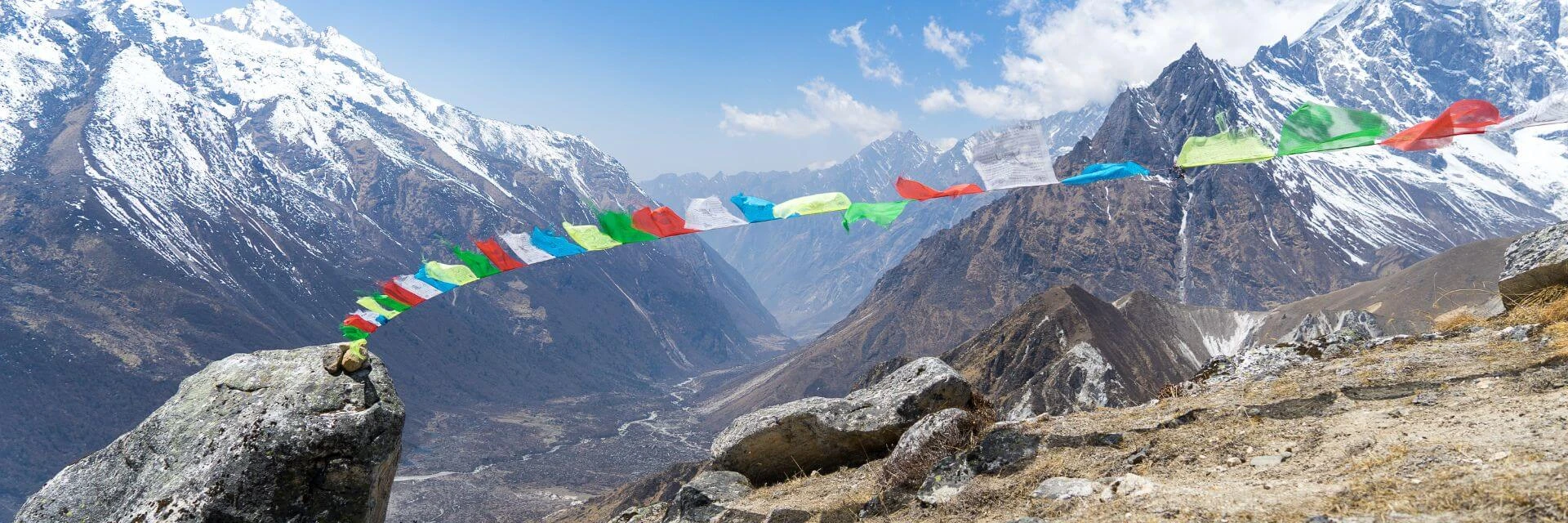
Nepal in October feels alive. Prayer flags flutter. Trails buzz with trekkers. The mountains finally step out from behind the monsoon clouds, and when you see Everest or Annapurna on a clear October morning, you understand why people travel across the world for this. October is the best month to visit Nepal. No other month matches it across every metric that matters.
What makes October exceptional:
- Crystal-clear Himalayan views: post-monsoon visibility is the best of the year; Kala Patthar, Annapurna Base Camp, and Poon Hill all deliver mountain panoramas that photography can't fully prepare you for
- Dashain festival, Nepal's biggest Hindu celebration brings nationwide festivity, kite flying, family gatherings, and an atmosphere that spills onto every trail, village, and city street
- Ideal trekking temperatures, 5°C to 15°C at altitude during the day: cold enough to feel like proper mountain trekking, manageable enough to enjoy every step
- All major routes at peak, Everest Base Camp, Annapurna Circuit, Langtang Valley, Manaslu Circuit, and Upper Mustang all perform at their best
The honest downside: October is peak season. Teahouses on the Everest route book out weeks in advance. Lukla flights fill fast. Prices for permits, accommodation, and guided packages are the highest of the year. Book 3–4 months ahead; this isn't a month for last-minute planning.
Why October Is the Best Month to Visit Nepal
October is the best month to visit Nepal because it combines clear mountain views, stable trekking weather, dry trails, and the country's most celebrated festival season all at once. Post-monsoon visibility across the Everest and Annapurna regions is the sharpest of the year.
The Dashain festival creates a cultural energy that transforms every corner of the country. And temperatures on high-altitude routes are at their most comfortable. For first-time visitors and experienced trekkers alike, no other month comes close.
Want to see Everest under crystal-clear autumn skies? Tell Abound Holidays your travel dates, and we'll secure the permits, teahouses, and guided support before the season fills up.
Visiting Nepal in November
- Best for: Photography, trekking, Tihar festival, experienced trekkers
- Avoid if you need the warmest trail conditions possible
- Budget level: Moderate to High
November is October's quieter, cooler sibling. The trails thin out. Tihar transforms the country with light and celebration. And the mountain views, if anything, sharpen further as November air turns crisp. Many experienced Nepal travelers quietly prefer November to October. There's a reason.
What November delivers:
- Mountain visibility remains exceptional throughout the month; photographers consistently rate November as the best month for Himalayan light quality and landscape photography
- Tihar (festival of lights) fills Kathmandu, Pokhara, and villages with oil lamps, marigold garlands, and the joyful worship of crows, dogs, cows, and siblings. It's one of the most visually striking events in the Himalayan calendar
- Everest Base Camp and Annapurna Circuit remain fully open, with trail traffic noticeably thinner than October
- Higher altitude passes, including Thorong La on the Annapurna Circuit, get colder in late November; proper layering becomes non-negotiable
- Accommodation is easier to secure with more last-minute flexibility than October
November suits photographers, independent trekkers who prefer quieter trails, anyone who missed October bookings, and festival lovers who want Tihar over Dashain.
Visiting Nepal in December
- Best for: Winter scenery, cultural depth, wildlife, quiet travel
- Avoid if high-altitude trekking is essential to your trip
- Budget level: Low to Moderate
December is Nepal without the performance. The high passes are close. Tourist numbers drop. And the country reveals a quieter, more contemplative version of itself that the peak-season crowds never see.
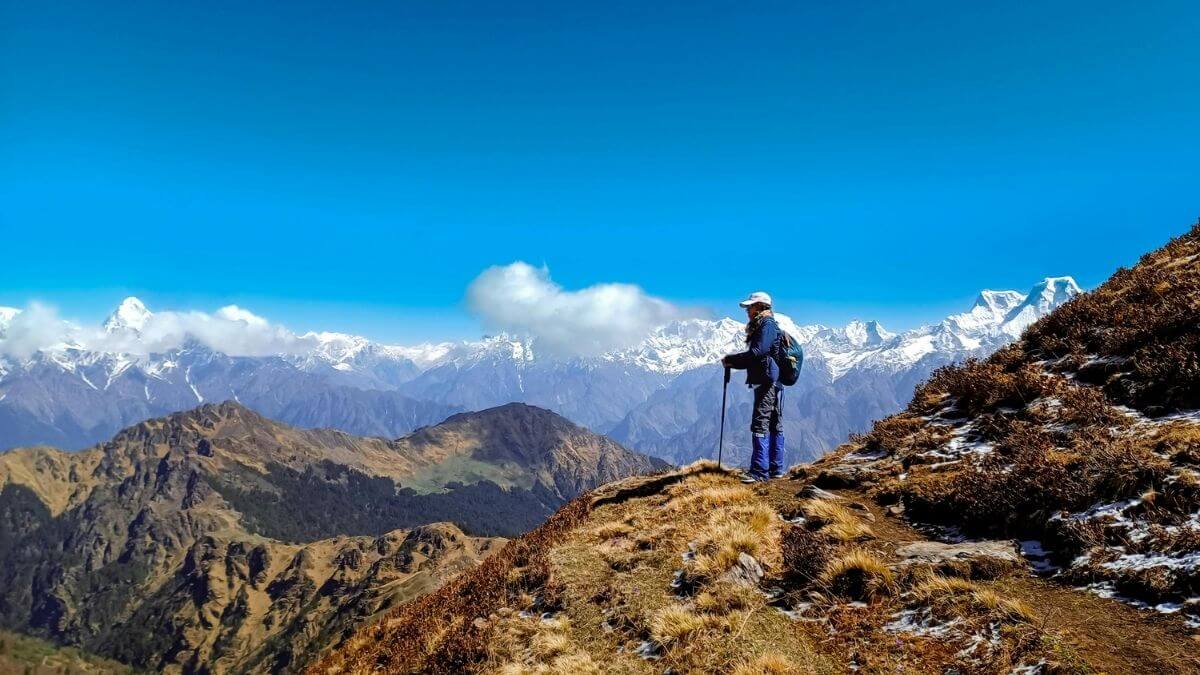
What works well in December:
- Ghorepani Poon Hill: one of Nepal's most rewarding short treks stays open below 3,200 metres and delivers extraordinary Annapurna sunrise views without a single queue
- Kathmandu Valley circuit: Bhaktapur, Patan, and Swayambhunath in December's crisp winter light are among the most photogenic experiences in Nepal
- Pokhara lakeside: quiet, affordable, and beautiful against the snow-capped Annapurna range; a completely different city than the busy October version
- Chitwan National Park enters its best wildlife-viewing conditions as the dry season begins
- Christmas and New Year travelers find Nepal genuinely different from the standard holiday destination and all the better for it
Locals have time to talk. Accommodation is easy to find. Trails feel personal. December rewards curiosity and a slower pace.
Recommended Read: Chitwan Jungle Safari Tour
Best Month to Visit Nepal Based on Travel Goals
There's no single best month for every traveler. The right answer depends on the route you want to trek, the experience you're chasing, and the budget you're working with. Here is a quick reference:
Travel Goal | Best Month(s) | Why |
Everest Base Camp | October, November | Clear skies, dry trails, ideal temperatures |
Annapurna Circuit | October, April | Peak conditions on both sides of the year |
Rhododendron trekking | March, April | Full bloom at 2,000–3,500m |
Dashain festival | October | Nepal's biggest cultural celebration |
Tihar festival | November | Festival of lights, unmissable |
Budget travel | July, August | Lowest prices across all categories |
Wildlife safari | March, April, December | Dry vegetation, excellent jungle visibility |
Photography | November | Clearest light, autumn colour |
Upper Mustang / rain-shadow | June, July, August | Dry while the rest of Nepal has monsoons. |
Quiet solo travel | September, December | Good conditions, genuine local interaction |
Family trips | October, March | Reliable weather, accessible routes |
Some travelers come to Nepal for trekking. Others come for silence, culture, and mountain sunrises. Tell Abound Holidays what kind of Nepal you want to experience, and we’ll build the trip around it.
Budget vs Luxury Months to Visit Nepal
October and November carry the highest costs across every category: flights, hotels, guided treks, and permit availability. Monsoon months offer the steepest discounts. Winter sits in between.
Month | Season | Permit Availability | Overall Value |
October | Peak | Book 3–4 months ahead | High quality, high cost |
November | Peak–High | Book 2–3 months ahead | Excellent if booked early |
April | High | Book 2–3 months ahead | Strong value for spring trekkers |
March | Moderate | Usually available | Good balance of cost and conditions |
September | Shoulder | Easy | Near-peak quality at lower cost |
December–February | Low | Very easy | Budget-friendly with winter conditions |
June–August | Monsoon | Very easy | Cheapest, best for rain-shadow routes |
Money-saving tips:
- Book October treks at least 3 months ahead; teahouses fill before permits do
- Mid-week flights into Kathmandu consistently cost less than weekend arrivals
- September and early March give 70–80% of peak-season quality at significantly lower cost
- Upper Mustang packages include restricted-area permit fees; factor this into monsoon budget comparisons before assuming it's cheap
Choose Abound Holidays for Nepal Tours
Abound Holidays builds custom Nepal travel packages around your travel month, trekking goals, fitness level, and travel style. Every itinerary starts with an honest conversation about what's actually achievable in your timeframe, not just what sounds good in a brochure.
The team knows Nepal across every season. That means real advice on which routes are worth the permit cost in July, where to go when everyone else crowds the Everest route in October, and how to build a family trip that works in March without compromising on experience.
Custom Nepal Trips Based on Your Travel Month
- Trekking holidays: Everest Base Camp, Annapurna Circuit, Langtang Valley, Manaslu Circuit, Ghorepani Poon Hill; matched to your fitness level and preferred travel month
- Cultural tours: Kathmandu Valley heritage circuit, Pokhara, festival timing, monastery visits, Newari cultural experiences
- Family vacations: lower-altitude itineraries combining Chitwan safari, Pokhara, and Kathmandu; suitable year-round with the right planning
- Wildlife safaris: Chitwan and Bardia national parks, jeep safaris, elephant experiences, birdwatching
- Adventure travel: peak climbing (Island Peak, Mera Peak, Lobuche East), white-water rafting, paragliding, mountain biking
- Rain-shadow expeditions: Upper Mustang, Dolpo, and Nar-Phu Valley during monsoon season
Every trip includes transparent pricing, local guide expertise, permit management, and support from a team that has traveled these routes across every season. Some travelers come to Nepal for the trekking. Others come for silence, mountain sunrises, and culture they haven't seen anywhere else. Tell Abound Holidays what kind of Nepal you want to experience, and we'll build the trip around it.
Final Thoughts
October is the best month to visit Nepal for most travelers. Stable weather, post-monsoon clarity, Dashain festival energy, and perfect trekking conditions on every major route, it's the month when Nepal fires on all cylinders. April and November are the strongest alternatives. April brings rhododendron blooms and excellent spring trekking conditions. November delivers quieter trails, Tihar festivities, and the sharpest light for photography. Either can rival October depending on what you're after.
Budget travelers should look seriously at July and August. The rain-shadow destinations, Upper Mustang and Dolpo, deliver completely different but equally unforgettable experiences at a fraction of peak-season cost. The best month for your Nepal trip comes down to one question:what did you come for? Choose the month that answers it. Planning a trip to Nepal can feel overwhelming when every season offers something different.
Whether you want Everest views in October, rhododendron trails in spring, or quiet mountain villages during the monsoon, Abound Holidays helps you choose the right time, the right route, and the right experience without the guesswork; just tell us your travel month, budget, and trekking goals.
Frequently Asked Questions
What is the coldest month in Nepal?
January is usually the coldest month in Nepal, especially in mountain regions and high-altitude trekking areas.
Which month has the clearest mountain views in Nepal?
October and November usually provide the clearest mountain views because the monsoon haze disappears after seasonal rainfall.
Is Nepal good to visit in December?
Yes, December is good for travelers who want quieter trekking trails, winter mountain scenery, and lower tourist crowds.
Is Nepal good to visit during monsoon season?
Yes, Nepal can still be enjoyable during monsoon season, especially in rain-shadow areas like Upper Mustang. Travelers can enjoy fewer crowds, lush landscapes, and lower prices during this time.
What is the cheapest time to visit Nepal?
The cheapest time to visit Nepal is usually during the monsoon season from June to August and parts of winter. Flights and hotels are often more affordable during these months.
Is October or April better for Nepal?
October offers clearer skies and major festivals, while April provides blooming rhododendrons and warmer trekking weather. Both months are excellent depending on your travel preferences.
What month is best for festivals in Nepal?
October is one of the best months for festivals in Nepal because major celebrations like Dashain and Tihar take place during this period.
What festivals can travelers enjoy in Nepal?
Travelers can enjoy festivals like Dashain, Tihar, Holi, and Indra Jatra. Most major festivals take place during autumn and spring.
Is Nepal crowded during peak season?
Yes, Nepal becomes busiest during October and November. Popular trekking routes and tourist cities like Kathmandu and Pokhara see more travelers during this time.
Which part of Nepal is best during monsoon?
Rain-shadow regions like Upper Mustang and Dolpo are among the best places to visit during monsoon because they receive much less rainfall than other parts of Nepal.
Which month is best for a wildlife safari in Nepal?
March and April are excellent months for wildlife safaris in Nepal because the weather is warm and jungle visibility improves.