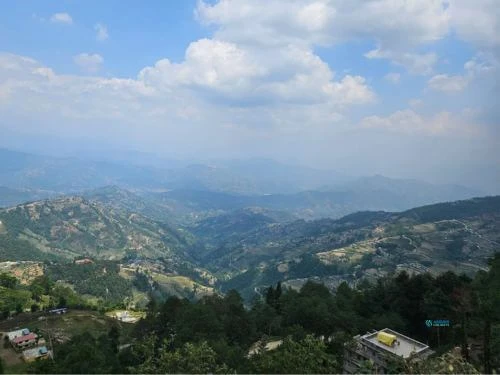
If you're looking for the ultimate Nagarkot travel guide, you've landed in the right place. Nagarkot is one of those places that genuinely surprises people. You drive about 90 minutes out of Kathmandu, wind up a narrow mountain road, and suddenly you're standing on a ridge with snow capped Himalayan peaks stretching across the entire horizon. Clean air. Total quiet. It feels like a completely different world.
Nagarkot Nepal is a small hill station in the Bhaktapur District, sitting at 2,195 meters above sea level. It's famous for its Nagarkot sunrise view, wide Himalayan panoramas, easy hiking trails, and peaceful atmosphere, and it's close enough to Kathmandu to do as a day trip or a relaxed overnight stay.
This guide from Abound Holidays covers everything: best time to visit, how to get there, what to do, where to stay, and what to expect. Let's get into it.
Where Is Nagarkot Located?
Nagarkot is a hill station in the Bhaktapur District of Bagmati Province, sitting on the northeastern rim of the Kathmandu Valley. It's one of the closest mountain viewpoints to Kathmandu, which is exactly why it's so popular.
District | Bhaktapur, Bagmati Province |
Nagarkot Altitude | ~2,175–2,195 meters (~7,136–7,198 ft) |
Distance from Kathmandu | ~32 km east |
Travel Time | 1.5 to 2 hours by road |
The drive goes through Bhaktapur and then winds up a narrow mountain road. The last stretch is a bit twisty, so if you're prone to motion sickness, keep that in mind.
Why Is Nagarkot Famous?
Honestly, it comes down to one thing: the mountain views. Nagarkot, Nepal, sits at a sweet spot on the valley rim where you can see a massive arc of the Himalayan range stretching across the horizon. Eight major mountain ranges are visible from a single point. That kind of panorama is genuinely rare.
But there's more to it than just the views:
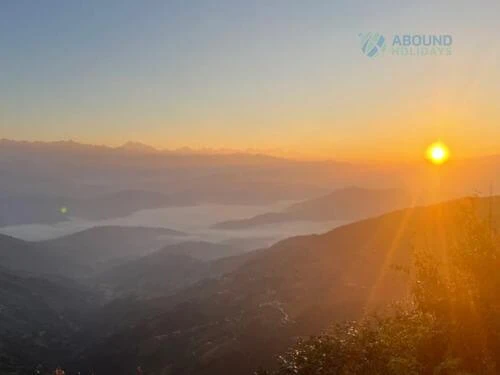
- Nagarkot sunrise view: watching the first light hit the snow-capped peaks is the main reason most people make the trip
- Easy access from Kathmandu: 32 km, 90 minutes, no trekking permit needed
- Nagarkot hiking: popular trails connecting to Changunarayan and Dhulikhel
- Fresh air and peace: if you've spent a few days in Kathmandu, you'll know how much that matters
It's the kind of place families, couples, photographers, and hikers all end up loving for completely different reasons.
What Can You See From Nagarkot?
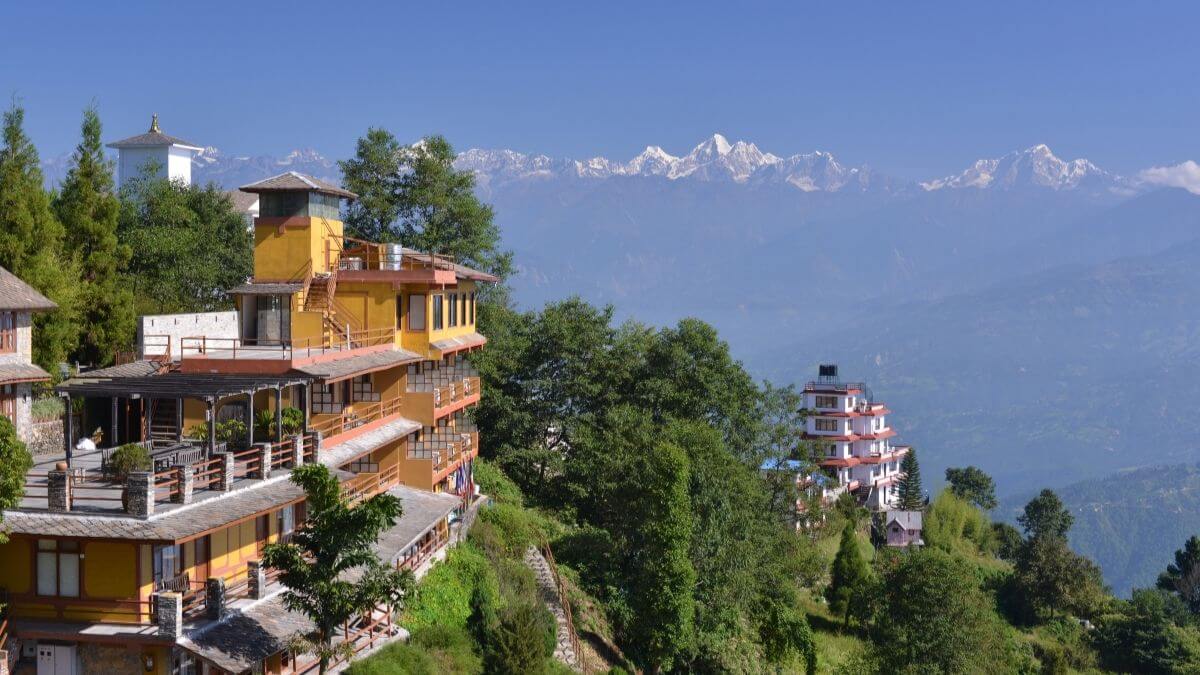
From Nagarkot, you can see eight major Himalayan ranges in a single panoramic sweep, one of the widest mountain views accessible from any hill station near Kathmandu. On a clear day, the range stretches from Annapurna in the west all the way to Kanchenjunga in the east.
Himalayan Ranges Visible From Nagarkot
The ranges visible from Nagarkot include Langtang, Ganesh Himal, Jugal, Rolwaling, Mahalangur (Everest range), Numbur, Shorong, and the Annapurna range to the far west. You genuinely have to turn your head to take it all in.
Can you see Everest from Nagarkot? Yes. Mount Everest is visible from Nagarkot on very clear days, especially during October–November and February–March. The peak appears far on the eastern horizon but can still be identified with binoculars or a zoom camera.
Best Viewpoints in Nagarkot
Not every spot in Nagarkot gives you the same view. The Nagarkot View Tower is the most popular spot, a simple observation structure at the top of the hill where people gather before sunrise. Most hotels along the ridge also have rooftop terraces with unobstructed Nagarkot mountain views.
For full details on where to position yourself for the best sunrise experience, see our Nagarkot Sunrise Tour.
Best Time to Visit Nagarkot
The best time to visit Nagarkot is October to April, when the skies are clearest and the Himalayan views are at their sharpest. That said, each season has its own character; here's what to expect.
Nagarkot Weather by Season
Season | Months | What to Expect |
Peak Season | October – November | Clear skies, sharp mountain views, fresh air. Best overall. |
Winter | December – February | It's cold and occasionally snowy, but the views are stunningly crisp. Dress warm. |
Spring | March – April | Rhododendrons in bloom, warming temps, good visibility. Great for hiking. |
Monsoon | May – September | Heavy cloud cover, patchy views. Green landscapes, fewer crowds, cheaper stays. |
Best time for Nagarkot sunrise view: October through April gives you the highest chance of waking up to clear golden-hour light over the peaks.
Best Things to Do in Nagarkot
Nagarkot is small, but there's more to do here than most people expect. Whether you're up at dawn chasing the sunrise or spending the afternoon on a quiet trail, the place has a way of keeping you busy without feeling rushed.
- Watch the Sunrise: Set your alarm for 5:00–5:30 AM and head to the View Tower or your hotel's rooftop. The Nagarkot sunrise view over the Himalayas is the main reason most people make the trip.
- Enjoy Sunset Views: The western peaks, especially Annapurna, catch the late afternoon light beautifully. Underrated compared to the sunrise.
- Hiking and Nature Walks: Trails run through forests, open ridgelines, and quiet farming villages. Even a short 1–2 hour walk is worth it.
- Visit Buddha Peace Park: A calm, well-maintained spot with a meditation center and garden paths. Good for a quiet morning stroll.
- Explore Nearby Villages: Walk through Tamang and Newari settlements just below Nagarkot for a genuine local experience.
- Relax in Cafes: There are a few mountain-facing cafes here. Order a ginger tea, find a seat with a view, and just sit with it.
Most people who visit Nagarkot say the same thing: they wish they'd planned an extra day. It's that kind of place. Simple, unhurried, and genuinely enjoyable once you slow down enough to take it all in.
Hiking Around Nagarkot
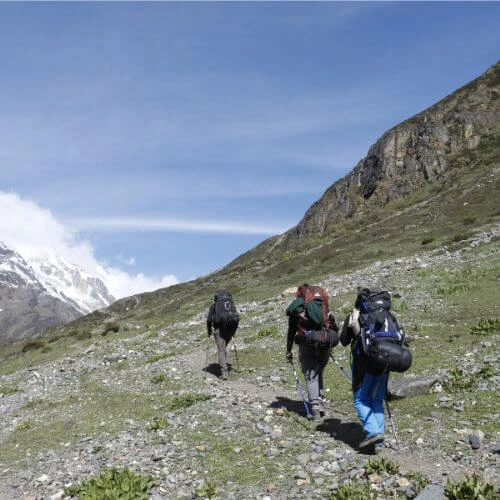
Nagarkot is one of the best starting points for day hikes near Kathmandu. Trails range from easy nature walks to half day ridge treks, all without needing a permit or prior trekking experience. The most popular route runs from the Nagarkot View Tower down through pine forests, farming terraces, and local villages to the UNESCO World Heritage Site at Changunarayan Temple, a mostly downhill walk of around 12 to 14 kilometers that takes about 4 to 5 hours at a comfortable pace.
For detailed trail maps, difficulty breakdowns, packing tips, and a complete itinerary, visit our dedicated Nagarkot Day Hike page.
Hiking Tips for First-Time Visitors
Before you head out, a few practical things worth knowing:
- Difficulty: Most Nagarkot hiking trails are moderate and suitable for anyone reasonably fit. The Dhulikhel route has a few steeper sections but nothing technical.
- What to carry: At least 1.5 liters of water, snacks, a light rain jacket, sunscreen, and proper trekking shoes. Flip-flops won't cut it on forest trails.
- Best season: October–April. Spring is especially nice when rhododendrons are in bloom. Avoid monsoon paths; they get slippery, and leeches are common.
All three trails are doable without a guide, but if it's your first time, asking your hotel for a basic route map before heading out is always a good idea.
How to Reach Nagarkot
Getting to Nagarkot from Kathmandu is straightforward. It's about 32 km and takes roughly 1.5 to 2 hours depending on how you travel. Here are your main options:
- Private Taxi: Most convenient option. A taxi from Kathmandu costs roughly NPR 3,000–5,000 one-way depending on negotiation. You can also combine the trip with a stop at Bhaktapur or Changunarayan on the way.
- Local Bus: Take a bus from Bagbazar to Bhaktapur (NPR 40), then change to a Nagarkot-bound bus from Kamalbinayak bus park (NPR 75–100). Total cost under NPR 150. Cheap but takes 2.5–3 hours with the transfer.
- Motorbike: Gives you the most flexibility. Rent one in Kathmandu and ride up independently. Manageable road if you're a confident rider.
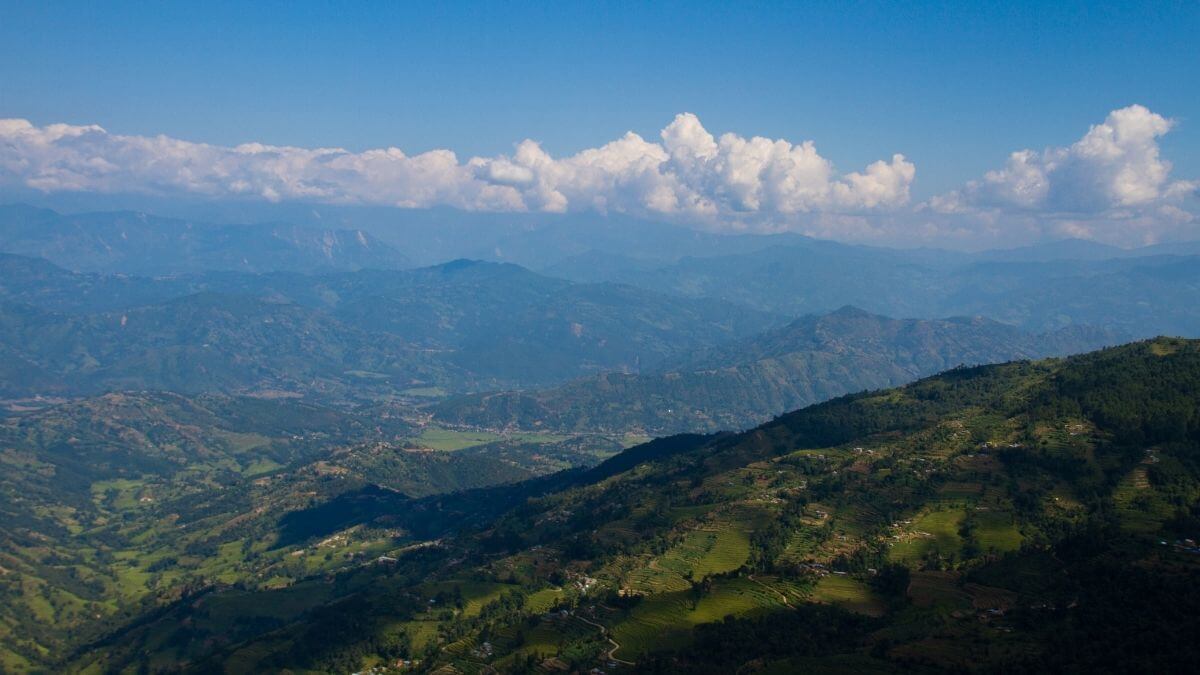
Road Conditions: The road from Bhaktapur up to Nagarkot is narrow and winding with some rough patches, especially after monsoon season. Nothing a regular car can't handle; just go slow on the bends.
Where to Stay in Nagarkot
Nagarkot has accommodation for every type of traveler from simple guesthouses to luxury mountain resorts. Here's a quick breakdown by budget:
Type | Examples | Price Per Night | Best For |
Luxury Resorts | Hotel Mystic Mountain, Club Himalaya | NPR 15,000–30,000+ | Panoramic views, spas, quality dining |
Mid-Range Hotels | Various ridge-facing hotels | NPR 4,500–13,000 | Comfort, good views, in-house restaurant |
Budget / Homestay | Local guesthouses, village homestays | NPR 1,500–3,500 | Tight budgets, authentic local experience |
Always ask about the room view when booking; not every room faces the mountains. And booking in advance during peak season, October to November, fills up fast.
Food and Local Experience in Nagarkot
Dining in Nagarkot is simple and unhurried, exactly like the place itself. Most meals happen in hotel and resort restaurants. Don't expect a buzzing food scene, but what's here is honest and good.
Local Foods to Try
- Dal Bhat: The classic Nepali rice and lentil meal. Filling, cheap, and always comes with refills.
- Thukpa: Tibetan noodle soup, perfect for cold mornings after an early sunrise.
- Momo: Steamed dumplings, usually served with a spicy tomato dip.
- Local Honey: The Nagarkot area is known for wild honey. Worth picking up if you see it.
Cafes With a View: A few small cafes near the View Tower serve coffee, eggs, and toast with mountain-facing terraces. Nothing fancy, but the setting completely makes up for it.
Tamang Culture: The villages surrounding Nagarkot are largely Tamang communities. If you stay in a homestay or walk through the villages, you'll get glimpses of Tamang food, language, and daily traditions the part of Nagarkot most travelers skip but genuinely adds a lot.
Nagarkot Travel Cost
Whether you're on a shoestring or happy to splurge, Nagarkot works for most budgets. Here's a rough breakdown to help plan your Nagarkot tour. All prices are in Nepalese Rupees (NPR).
Transportation
Getting to Nagarkot is affordable either way. A taxi is convenient, but negotiate the price before you get in. Rates vary depending on the driver.
- Taxi from Kathmandu (one way): NPR 3,000–5,000
- Local bus (with Bhaktapur transfer): NPR 115–150
Accommodation
Prices vary a lot depending on the season and whether your room faces the mountains. Peak season (October–November) rates can be significantly higher than off-season.
- Budget guesthouse: NPR 1,500–3,500/night
- Mid-range hotel: NPR 4,500–13,000/night
- Luxury resort: NPR 15,000–30,000+/night
Food
Most dining happens in hotel restaurants. Standalone cafes are limited but affordable. Budget travelers can eat well without spending much.
- Budget meal: NPR 300–600 per meal
- Restaurant/hotel meal: NPR 700–1,500 per meal
Daily Budget Estimate
Here's what a full day in Nagarkot typically costs depending on your travel style:
- Budget traveler: NPR 3,000–5,000/day
- Mid-range: NPR 8,000–15,000/day
- Luxury: NPR 20,000–40,000+/day
Day-trippers from Kathmandu can do it comfortably for under NPR 5,000, including transport and a meal.
Essential Travel Tips for Nagarkot
A little preparation goes a long way in Nagarkot. Here's what you need to know before heading up.
What to Pack
- Warm layers: evenings get cold even in spring and autumn
- Windbreaker or light jacket
- Comfortable walking shoes
- Sunscreen and sunglasses: UV is stronger at altitude
Money and Connectivity
- No ATMs in Nagarkot; bring cash from Kathmandu or Bhaktapur
- Most hotels have Wi-Fi, but signals can be weak
- Ncell and NTC SIM cards work, 4G available but inconsistent
Safety: Nagarkot is very safe for tourists. Trails are well-used and mostly clearly marked. If you're doing the longer hike to Dhulikhel, let your hotel know before you leave.
Best Places to Visit Near Nagarkot
Nagarkot's location makes it a great base for exploring some of the best cultural and historical sites in the Kathmandu Valley. Here are the top places worth adding to your itinerary:
Place | Distance | Highlights |
Changunarayan Temple | ~30 min | Oldest Hindu temple in Nepal, UNESCO site, intricate wood carvings |
Bhaktapur Durbar Square | ~25 min | Best-preserved medieval city in Nepal, temples, pottery squares |
Dhulikhel | ~1 hour | Newari town, Himalayan views, endpoint of Nagarkot to Dhulikhel trek |
Namobuddha Monastery | ~1.5 hours | One of the most sacred Buddhist sites in Nepal, with a peaceful atmosphere |
All four are easy to combine with a Nagarkot trip, either as a stop on the way up or a day out from your base.
Is Nagarkot Worth Visiting?
Yes, genuinely. It's one of the easiest places in Nepal to get a real Himalayan experience without committing to a multi-day trek. The sunrise over the mountains, the quiet forest trails, the fresh air it all adds up to something that feels like more than just a quick day trip.
Nagarkot is a great fit for:
- Couples looking for a romantic overnight escape from the city
- Families who want a peaceful weekend with easy walks
- Photographers hunting for golden hour Himalayan shots
- First-time visitors to Nepal who want a taste of the mountains
- Hikers using it as a base for the Changunarayan or Dhulikhel trails
Even if you've already been trekking in Nepal, Nagarkot offers something different, simple, accessible, and genuinely beautiful.Final Thoughts
Final Thoughts
If you've made it this far, you probably already know Nagarkot is worth the trip. Here's the honest takeaway: Nagarkot isn't trying to be anything it's not. It's a hillside with an incredible view, some decent places to sleep, a few good trails, and the kind of quiet that Kathmandu just can't give you.
Most people who go say the same thing afterwards: they wish they'd stayed longer. Whether you do it as a Nagarkot day tour from Kathmandu or spend two nights watching both the sunrise and sunset, it tends to leave an impression.
If you're in Kathmandu and you're even slightly considering it, just go. It's close, it's straightforward, and the views alone are worth it. Plan your Nagarkot tour around the dry season if you can, and book a room with a mountain-facing window. The rest will take care of itself.
Frequently Asked Questions About Nagarkot
What is Nagarkot famous for?
Nagarkot is famous for its sweeping Himalayan panoramas and Nagarkot sunrise view. It's one of the best spots near Kathmandu to see eight major mountain ranges, including Langtang, Annapurna, and Mount Everest, on clear days.
Can you see Everest from Nagarkot?
Yes, on a very clear day you can. The best conditions are October–November and February–March; it won't be close-up, but you can definitely identify it on the horizon.
How many days are enough for Nagarkot?
One night and two days is enough for most people. If you want to do the Nagarkot to Dhulikhel trek or explore nearby villages, two nights works better.
Is Nagarkot good for hiking?
Yes. Nagarkot hiking ranges from easy nature walks to a half-day trek to Dhulikhel, suitable for most fitness levels without any special gear or experience.
What is the best time to visit Nagarkot?
October to April is the best time to visit Nagarkot. October–November and February–March give the clearest mountain views, while spring is great for hiking when rhododendrons bloom.
How far is Nagarkot from Kathmandu?
Nagarkot is about 32 km from Kathmandu, roughly 1.5 to 2 hours by road depending on traffic.
Is Nagarkot worth visiting in winter?
Yes. Winter brings cold and occasional snow, but also some of the clearest skies of the year. Dress properly, and the Nagarkot mountain view is absolutely worth it.