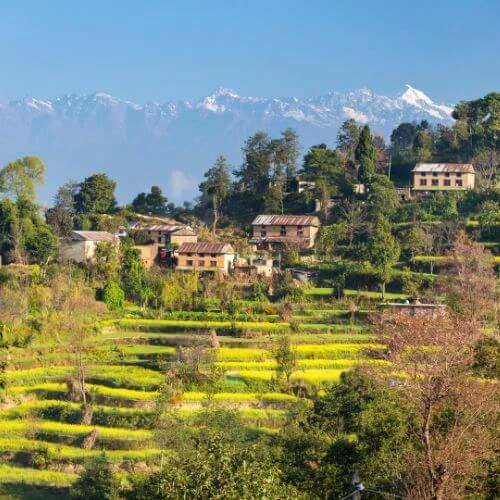
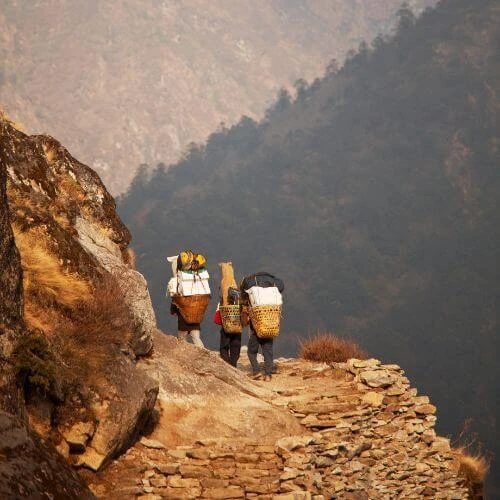
Nepal is one of those places that genuinely lives up to the hype. Eight of the world's fourteen highest peaks are here. The trails cut through Buddhist monasteries, remote Sherpa villages, rhododendron forests, and high-altitude deserts, sometimes all in the same week.
If you're trying to figure out the best treks in Nepal for your next trip, this guide covers everything. The top 10 routes, difficulty levels, trekking costs, permits, the best seasons, and how to pick the right trek for your time and fitness.
Whether you have 5 days or 3 weeks, whether you're a first-timer or a seasoned trekker, there's a route here for you. Just be honest with yourself about your fitness level and how many days you actually have before choosing.
Top 10 Best Trekking Routes in Nepal
Nepal has hundreds of trails but only a handful that truly deserve a spot on your bucket list. These 10 are the best treks in Nepal right now, chosen based on scenery, trail quality, cultural richness, and what international trekkers actually experience on the ground.
1. Everest Base Camp Trek
Duration: 12–16 days | Difficulty: Strenuous | Max Altitude: 5,545m (Kala Patthar)
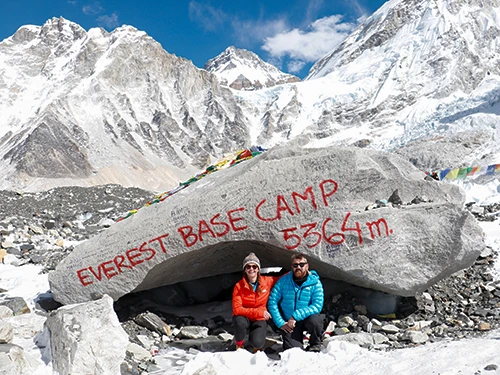
The Everest Base Camp trek starts with a dramatic flight into Lukla and takes you through Sherpa villages, ancient monasteries, and raw Khumbu landscapes all the way to the foot of the world's highest mountain. The trail passes Namche Bazaar, Tengboche, and Dingboche before reaching Base Camp at 5,364 m, and most trekkers push up to Kala Patthar because that's actually where you get the best view of Everest's summit.
This trek is less about fitness and more about altitude management. Go slow, take your acclimatization days seriously, stay hydrated, and you'll be fine. Rush it and you'll be turning back early.
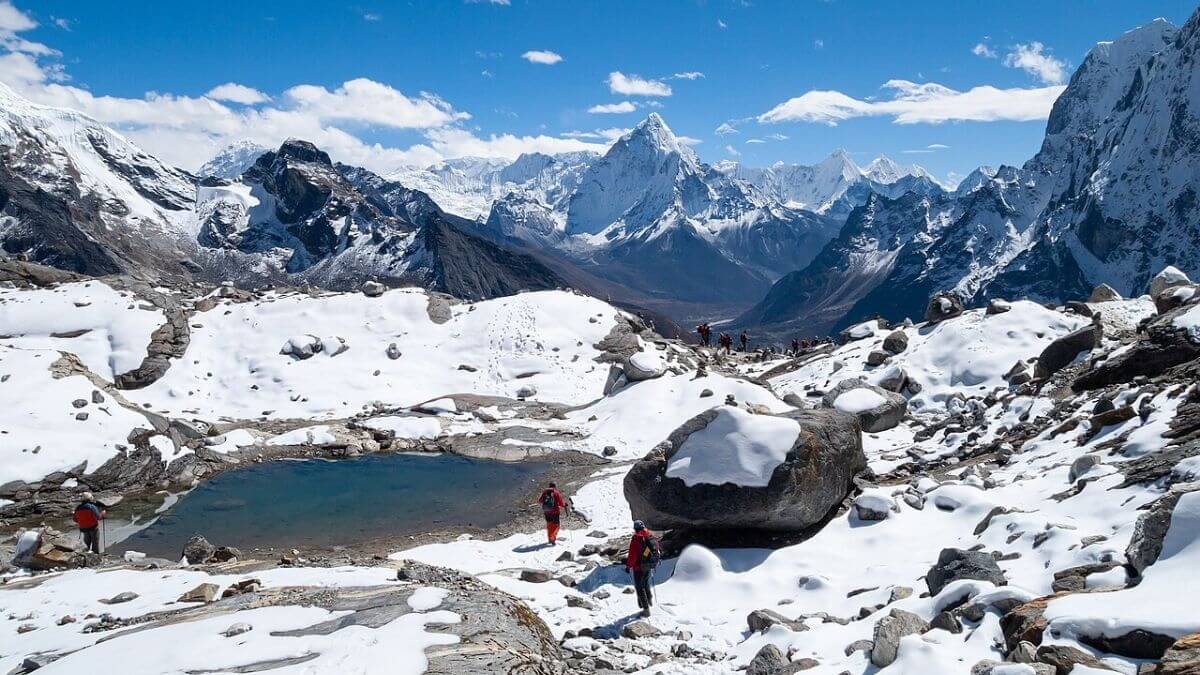
View our Everest Trekking Packages.
2. Annapurna Base Camp Trek
Duration: 9–13 days | Difficulty: Moderate | Max Altitude: 4,130m
The Annapurna Base Camp trek takes you into the heart of the Annapurna Sanctuary, a natural glacial amphitheater ringed by massive peaks including Annapurna I (8,091 m), Machapuchare, and Hiunchuli. The trail moves through terraced farmland, Gurung villages, and rhododendron forests before opening up into that stunning high-alpine bowl at Base Camp.
It's one of the most accessible serious treks in Nepal. The altitude stays manageable, the teahouses are reliable, and the trail is well-marked throughout. A great first big Himalayan trek.
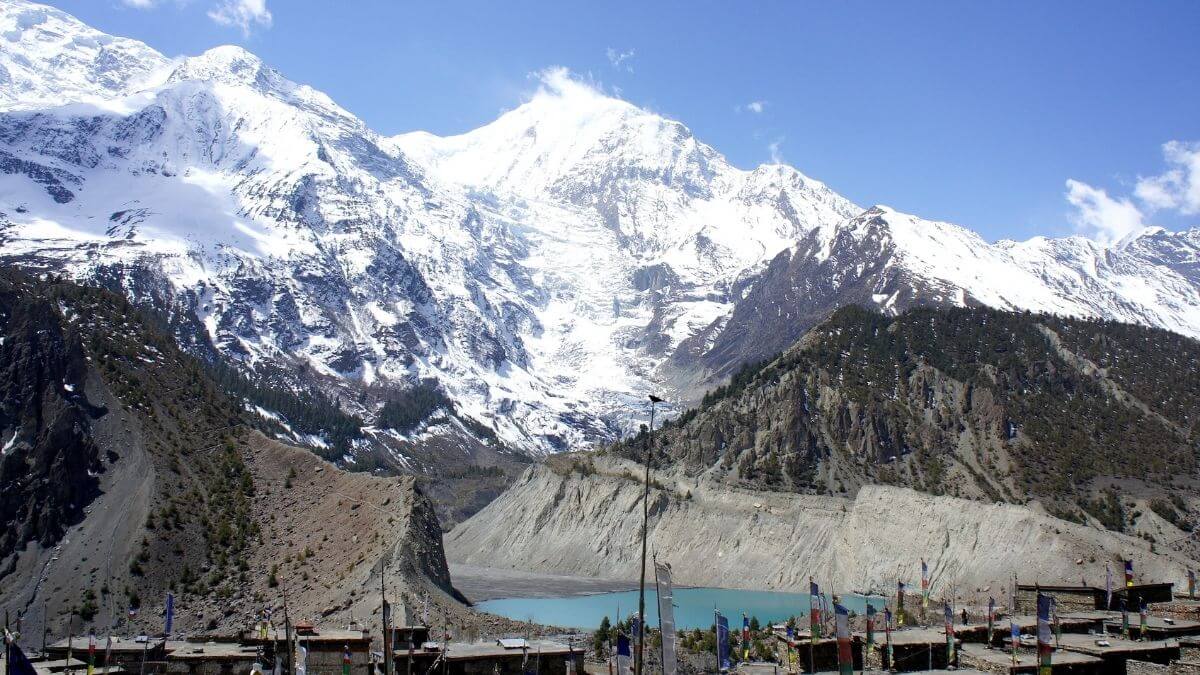
View our Annapurna Region Package.
3. Annapurna Circuit Trek
Duration: 14–18 days | Difficulty: Moderate–Strenuous | Max Altitude: 5,416m (Thorong La Pass)
The Annapurna Circuit trek is probably the most varied trek in Nepal, with five climate zones, ancient Hindu and Buddhist temples, Tibetan-influenced villages, and some of the most dramatic mountain scenery in the world, all in one route. You start in warm subtropical valleys and finish in the high-altitude desert around Muktinath, crossing the famous Thorong La Pass at 5,416 m somewhere in the middle.
One thing worth knowing before you go: road construction has changed parts of this route, and some sections now run alongside jeep tracks. It's still a brilliant trek, but it's worth knowing so it doesn't catch you off guard.
4. Langtang Valley Trek
Duration: 7–10 days | Difficulty: Moderate | Max Altitude: 3,870m (Kyanjin Gompa)
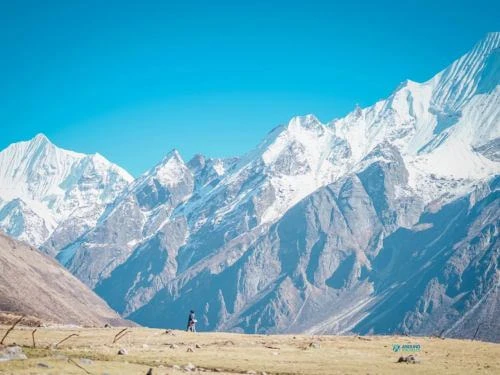
The Langtang Valley trek sits just a few hours north of Kathmandu but feels completely remote once you're on the trail. You walk through forests of oak, maple, and pine; pass through Tamang villages; and finish at Kyanjin Gompa, a beautiful high-altitude settlement with a working cheese factory and incredible views of Langtang Lirung.
It gets far fewer crowds than Everest or Annapurna, which is honestly a big part of its appeal. For trekkers short on time who still want a real Himalayan experience, Langtang is one of the smartest choices on this list.
5. Manaslu Circuit Trek
Duration: 14–17 days | Difficulty: Strenuous | Max Altitude: 5,160m (Larke La Pass)
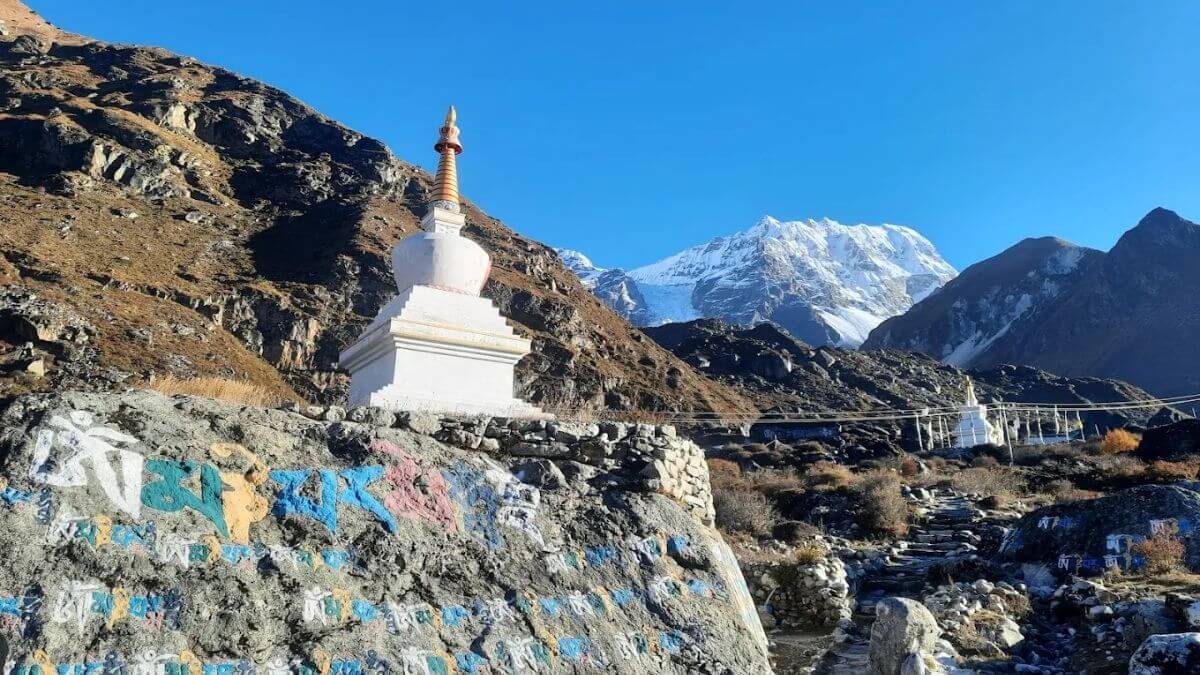
The Manaslu Circuit trek circles the world's eighth-highest mountain through deep gorges, remote Tibetan-influenced villages, and untouched landscapes that feel nothing like the busier routes. It's a restricted-area trek, which means you need a special permit, but that's also what keeps the crowds away and makes it feel genuinely wild.
The highlight is crossing Larke La Pass at 5,160 m, a long, demanding day with views of Manaslu, Annapurna, and the surrounding Himalayan giants that make every step worth it. If you've already done EBC or the Annapurna Circuit and want something rawer, Manaslu is the logical next step.
Not sure which trek is right for you? Every trekker is different: different fitness, different timelines, different budgets. Tell us your dates and we'll match you with the perfect route.Plan Your Trek with Abound Holidays.
6. Ghorepani Poon Hill Trek
Duration: 4–5 days | Difficulty: Easy–Moderate | Max Altitude: 3,210m (Poon Hill)
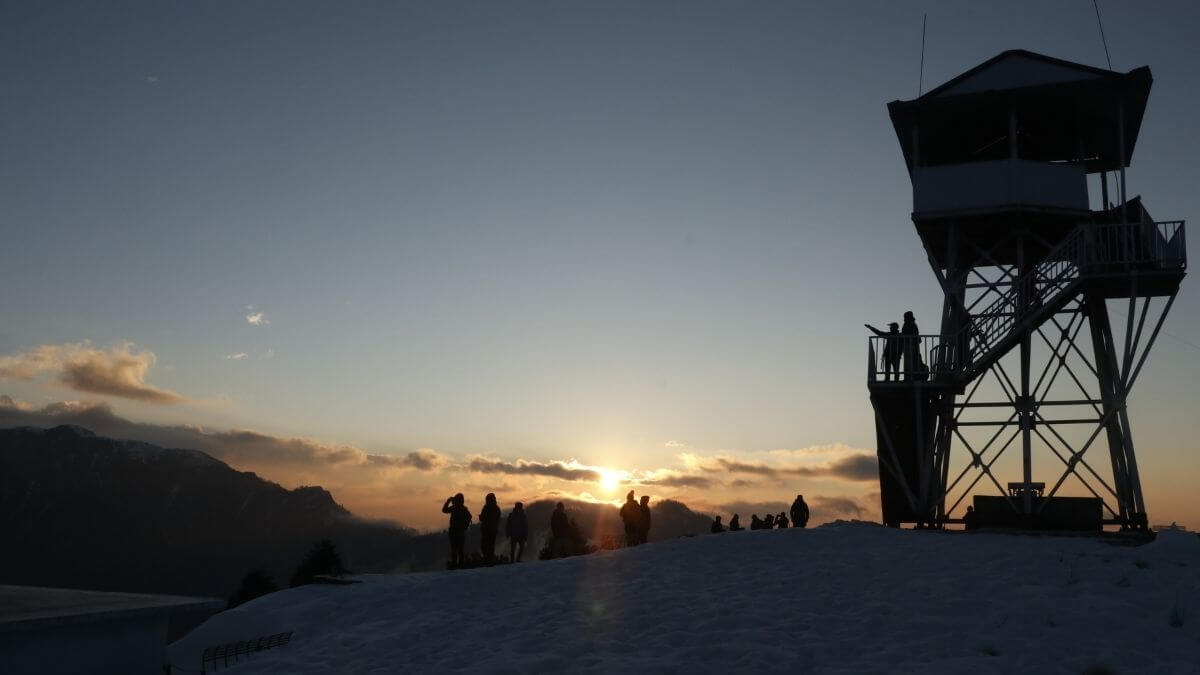
The Ghorepani Poon Hill trek is the go-to for easy treks in Nepal for beginners: short, well-organized, and genuinely spectacular. The trail moves through rhododendron forests and Gurung villages before the pre-dawn climb to Poon Hill, where you get one of the most photographed sunrise views in all of Nepal: the Annapurna and Dhaulagiri ranges lit up in morning light.
No technical gear needed, no extreme altitude, and the whole thing wraps up in under a week. It's also a great way to test yourself before committing to a longer route.
7. Gokyo Lakes Trek
Duration: 12–15 days | Difficulty: Moderate–Strenuous | Max Altitude: 5,357m (Gokyo Ri)
The Gokyo Lakes Trek takes you into the Khumbu region, with the same jaw-dropping scenery as Everest Base Camp, but instead of heading to Base Camp, you branch off to a string of stunning turquoise glacial lakes and the viewpoint of Gokyo Ri at 5,357 m. From the top, you get a panoramic view of four 8,000 m peaks, including Everest, and many experienced trekkers actually prefer this view over Kala Patthar.
It's also possible to combine Gokyo with EBC via the Cho La Pass, making it one of the most spectacular combined routes in the entire Himalayas.
8. Mardi Himal Trek
Duration: 5–8 days | Difficulty: Moderate | Max Altitude: 4,500m (Mardi Himal Base Camp)
TheMardi Himal trek opened officially in 2012 and has quietly become one of the best short treks in Nepal. It sits just east of the Annapurna Base Camp route but sees a fraction of the crowds; the trails are quiet, the forests are beautiful, and the views of Machapuchare (Fishtail Mountain), Annapurna South, and Hiunchuli are incredibly close up and personal.
The whole thing can be done in under a week, which makes it a smart pick for trekkers with limited time who don't want to compromise on scenery.
9. Upper Mustang Trek
Duration: 10–14 days | Difficulty: Moderate | Max Altitude: 3,840m (Lo Manthang)
Upper Mustang is unlike anywhere else in Nepal. It's a high-altitude desert landscape, dry and stark, almost Mars-like, with ancient cave monasteries carved into cliff faces and a medieval walled city at Lo Manthang that feels frozen in time. The region was a restricted kingdom until 1992 and still requires a special permit, which has kept it beautifully untouched.
Because of its rain-shadow location, Upper Mustang stays dry during monsoon season, making it one of the very few good trekking options in Nepal between June and August.
10. Kanchenjunga Base Camp Trek
Duration: 20–24 days | Difficulty: Strenuous | Max Altitude: 5,143m
Kanchenjunga Base Camp is for trekkers who want Nepal completely off the tourist radar. The trail takes you to the base of the world's third-highest mountain in far eastern Nepal through protected forests home to snow leopards and red pandas and past Rai, Limbu, and Tibetan communities that rarely see outside visitors.
It's the longest and most remote route on this list. You need solid fitness, real trekking experience, and proper preparation. But if you've done the classics and want something genuinely wild and untouched, Kanchenjunga is in a league of its own.
Nepal Trekking Cost: What to Budget
Nepal trekking costs vary a lot depending on the route, your style of travel, and whether you hire a guide and porter. Here's what international trekkers should realistically budget:
- Budget trekker (teahouses, local guides): NPR 4,000–8,000/day
- Mid-range: NPR 8,000–16,000/day
- Guided package with agency: NPR 1,60,000–4,70,000+ depending on route and duration
- TIMS card: NPR 2,000 (individual) / NPR 1,000 (group) not required in Everest region
- National Park / Conservation Area permits: NPR 3,390 per person (including VAT)
- Khumbu local municipality fee (Everest region, replaces TIMS): NPR 2,000–3,000
- Manaslu restricted area permit: NPR 13,500 (peak season)
- Upper Mustang restricted area permit: NPR 67,000 for 10 days
- Flights (Lukla, Pokhara, Jomsom): NPR 24,000–34,000 one way
Permits, flights, and daily expenses can add up faster than most trekkers expect. If you want a full breakdown of what a Nepal trip actually costs from start to finish, our Nepal trip cost guide covers everything from visa fees to tipping etiquette.
Nepal Trekking Permits: What You Actually Need
Every trek in Nepal requires at least one permit; most require two or three depending on the route. Here's a quick breakdown:
- TIMS Card (e-TIMS): Required for Annapurna, Langtang, Manaslu, and most general trekking routes. Not required in the Everest/Khumbu region; replaced by a local municipality fee there.
- National Park / Conservation Area Permit: Required for every major trekking region Sagarmatha NP (Everest), Annapurna Conservation Area, Langtang NP, and Kanchenjunga Conservation Area all have their own entry permits.
- Restricted Area Permit: Required for Manaslu, Upper Mustang, Kanchenjunga, and a few other regions. These must be arranged through a registered trekking agency; you cannot apply for them individually.
Your guide or trekking agency handles all the paperwork. You just need your passport, two passport-sized photos, and fees ready. As of 2026, solo trekkers can now apply for restricted area permits without needing a second trekking partner, but a licensed guide is still mandatory on all routes.
Do I Need Travel Insurance for Trekking in Nepal?
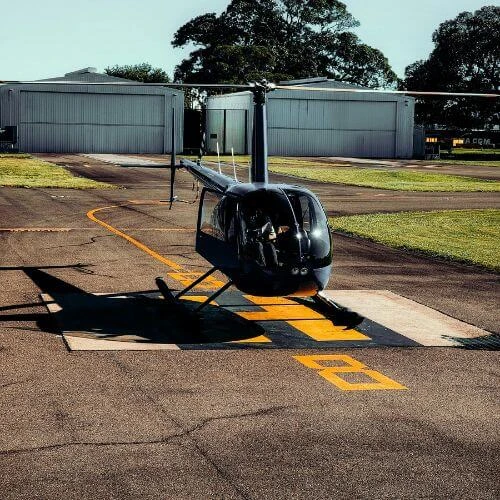
Standard travel policies usually exclude helicopter evacuation, which is the rescue method used on most Himalayan routes. A rescue from Namche Bazaar to Kathmandu runs NPR 4,00,000–6,75,000, and from above 5,000 m it can exceed NPR 13,50,000 all out of pocket without the right coverage. Before you book, check out our Nepal trekking travel insurance guide to confirm your policy explicitly covers high-altitude trekking above 5,000m and helicopter evacuation.
Best Time to Trek in Nepal: A Season-by-Season Guide
The best time to trek in Nepal falls in two main windows: spring and autumn. Here's how each season breaks down:
- Spring (March–May): The mountains are dramatic, the rhododendrons are in full bloom, and the weather is warm enough to enjoy but cool enough to keep moving. April is the sweet spot: stable skies, excellent visibility, and the trails are alive with color.
- Autumn (September–November): This is Nepal trekking at its finest. Post-monsoon air means razor-sharp mountain views, dry trails, and near-perfect conditions from the foothills to base camp. October is peak season for good reason. If you're heading out in early autumn, explore the best places to visit in Nepal in September to make the most of your trip before the crowds arrive.
- Monsoon (June–August): Most routes turn slippery and leechy, and cloud cover kills the views. That said, if you know where to go, Upper Mustang and Dolpo sit in a rain shadow and stay surprisingly dry. Not ideal for beginners, but doable for the right traveler.
- Winter (December–February): Cold, quiet, and unforgiving at altitude. High passes like Thorong La and the Cho La freeze over or close entirely. Stick to lower routes like Poon Hill if you're set on trekking in winter; the views can still be stunning on a clear day.
So basically, if you can choose your dates, aim for October or April. You'll get the best weather, the best views, and the most enjoyable experience on any route.
Final Thoughts
Nepal is one of those places that are hard to overstate. The mountains are bigger than you imagine. The culture is warmer than you expect. And the experience of walking for days through the Himalayas, staying in teahouses, sharing meals with other trekkers from across the world, and waking up to views that don't feel real stays with you.
The best treks in Nepal aren't just about the destination at the end. They're about the whole thing: the early morning starts, the sore legs, the hot dal bhat after a long day, and the quiet moments above the clouds.
If you're on the fence, just go. Pick a route that matches your time and fitness, hire a good guide, and give yourself enough days to actually enjoy it. You won't regret it.
Ready to book your Nepal trek? Skip the research and let Abound Holidays handle everything: permits, guides, and a route that fits your time and budget.Contact Abound Holidaysand Start Planning.
FAQs on Best Trekking Routes in Nepal
Do I need to be fit to trek in Nepal?
You don't need to be an athlete, but you do need a base level of fitness. For Poon Hill or Langtang, regular walking is enough. For EBC or Manaslu, start cardio and hiking training a few months before.
Is hiring a guide compulsory?
Yes. Nepal requires licensed guides for all international trekkers on most routes since 2023. Even beyond the rule, a good guide adds safety, local knowledge, and cultural context you simply can't replicate on your own.
What permits do I need?
It depends on the route. Most treks need a TIMS card and a national park or conservation area permit. Restricted areas like Manaslu, Upper Mustang, and Kanchenjunga need additional special permits arranged through a registered agency.
How hard is altitude sickness to deal with?
It's a real risk above 3,000m and shouldn't be taken lightly. Go slow, take your acclimatization days seriously, stay hydrated, and descend immediately if symptoms get worse.
What is the best season to trek in Nepal?
Spring (March–May) and autumn (September–November) are the two best windows. October and April are the sweet spots for clear skies, stable weather, and the best mountain visibility.
What should I pack for trekking in Nepal?
The essentials are good layering, waterproof gear, a sleeping bag rated for cold temperatures, and trekking poles. A lot of gear can also be rented cheaply in Kathmandu's Thamel area if you don't want to buy everything new.


 based on 5 reviews