 based on 4 reviews
Safety is one of the first things most beginners think about when looking into the Langtang Valley Trek. The trail is beautiful and calm, but new trekkers often worry about the land, high altitude, weather, and how to follow the path safely. Knowing about Langtang Valley Trek safety helps you start your trek with confidence instead of feeling lost.
This guide explains everything in simple words. You’ll find out about common risks, how to handle altitude, weather changes, must-have gear, trekking conditions after the earthquake, and easy steps anyone can follow.
If you want a quick overview of the trek before planning anything, then head over to Abound Holidays Langtang Valley Trek package page for reference.
What is Langtang Valley Trek Safety?
When we talk about Langtang Valley Trek safety, we mean the simple things that help trekkers stay safe and feel comfortable. This includes knowing how the high altitude can affect you, understanding how the trail looks in different seasons, being ready for sudden weather changes, and watching your pace and water. Safety also means noticing your surroundings and taking easy steps early instead of fixing problems later.
Key safety points include:
- Slowly gaining altitude and letting your body adjust
- Knowing the trail conditions
- Watching the weather
- Bringing simple emergency items
- Sticking to marked paths
Learning these basics early helps you understand how to plan for Langtang Valley Trek in a way that feels manageable even if you’re a complete beginner.
Overview of the Langtang Valley Trek
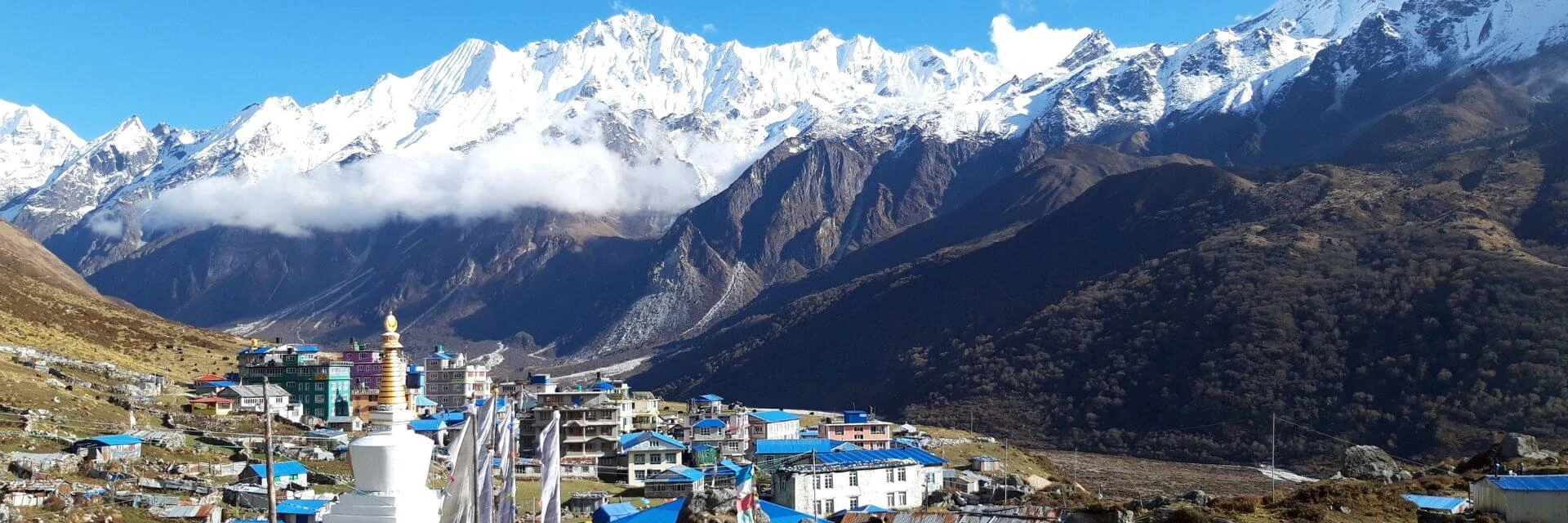
The Langtang Valley sits north of Kathmandu, not far from the Tibetan border, and the trek follows a scenic river valley through forests, villages, and open alpine areas. The experience is peaceful and immersive, making it a popular choice for new trekkers. The general difficulty is moderate, meaning it’s doable with basic fitness and the right preparation.
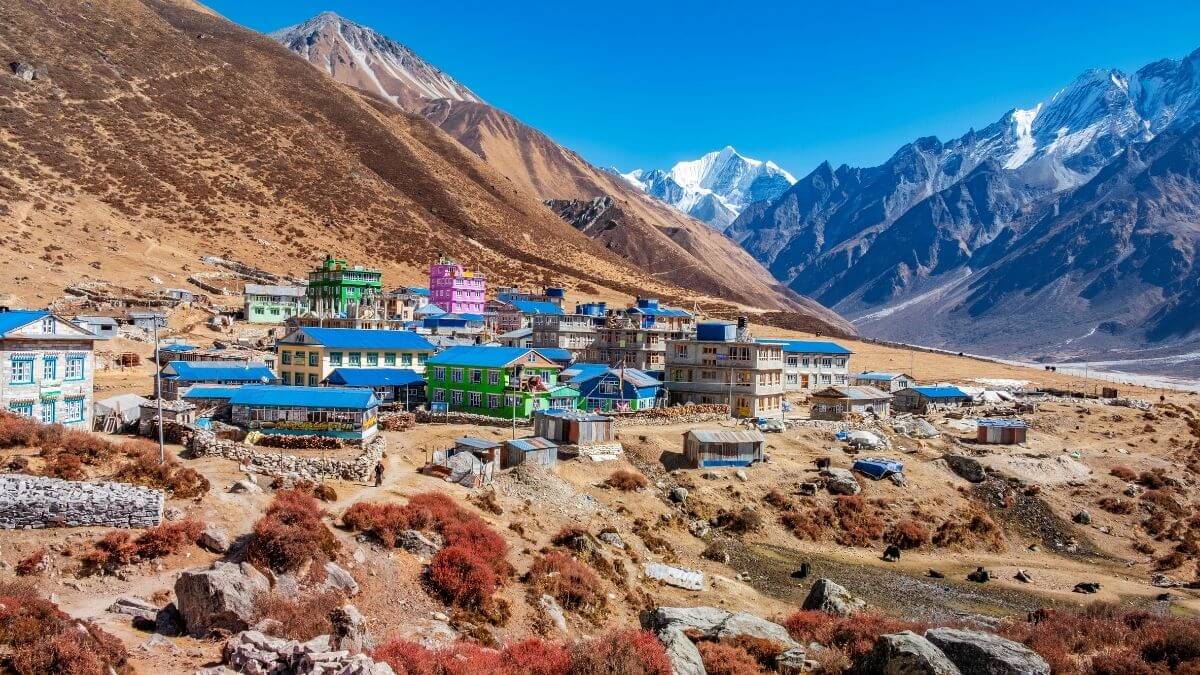
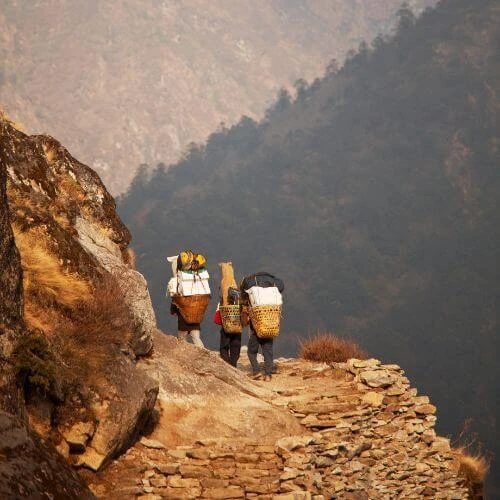
Most people do the trek in 6 to 8 days. The altitude goes from about 1500 meters at Syabrubesi up to around 5000 meters at Kyanjin Ri. The trail has forest paths, stone steps, gentle climbs, and a few steeper parts. It’s beginner-friendly, but you still need to be ready because mountain conditions can change quickly.
Understanding Common Risks on the Langtang Trail
Natural risks on the Langtang trail include going up in altitude, steep or rocky spots, and sudden weather changes that can make it hard to see or make it colder. These risks are easier to handle when you know how your body reacts to altitude and when you keep a steady pace.
Human factors are just as important. Many problems on Langtang Valley Trek happen because beginners go too fast, don’t drink enough water, or ignore small signs of discomfort. Paying attention to how you feel and talking with your guide helps a lot.
The 2015 earthquake damaged parts of Langtang, but the trail is now rebuilt, safer, and has better infrastructure. Still, watching your surroundings makes you feel more confident while trekking.
If you’re looking at different treks, knowing Langtang’s risks helps you choose what fits your experience. Make sure to check our Langtang Valley trek packing list so you’re fully ready.
Altitude Safety and How to Acclimatize
Altitude rises steadily along the Langtang route, especially near the upper valley. Beginners often underestimate how even moderate gain can affect breathing, energy levels, and sleep. Learning the signs of altitude issues helps you respond early and continue safely.
Altitude sickness symptoms like headaches, nausea, and tiredness are common when the body adjusts. The best practice is to ascend gradually, keep your pace steady, and take breaks whenever needed. Always share symptoms with your guide so they can monitor your condition.
Acclimatization Basics
Gradual ascent gives your body time to adjust and reduces the chance of headaches and dizziness. Knowing early symptoms helps prevent more serious altitude issues later.
Helpful habits include:
- Drinking enough water throughout the day
- Taking slow breaks at natural stopping points
- Sleeping well and avoiding heavy exertion
When Altitude Becomes a Serious Concern
Red flags include strong headaches, vomiting, loss of coordination, or unusual fatigue. These signs mean you must stop climbing immediately. A guide will help you descend and monitor your condition. In most cases, quick action prevents symptoms from becoming dangerous.
Trail Conditions After the Earthquake
Since the 2015 earthquake, the Langtang Valley has gone through major rebuilding. Villages now have stronger buildings, and damaged parts of the trail were fixed for safety. Today’s route is safer and more organized than before, with better places to stay and improved trails.
Quick updates beginners should know:
- Rebuilt teahouses offer safe places to stay
- The main trekking trail is well-marked and looked after
- Landslide-prone areas have been rerouted or strengthened
- Local communities are better prepared to help trekkers
Weather, Seasons, and Visibility Challenges
Weather is a big part of Langtang Valley Trek safety. Clear skies and steady temperatures make it easier to follow the trail, while rain, fog, or snow can make it hard to see and slippery. Spring and autumn give the best mix of calm weather and clear views.
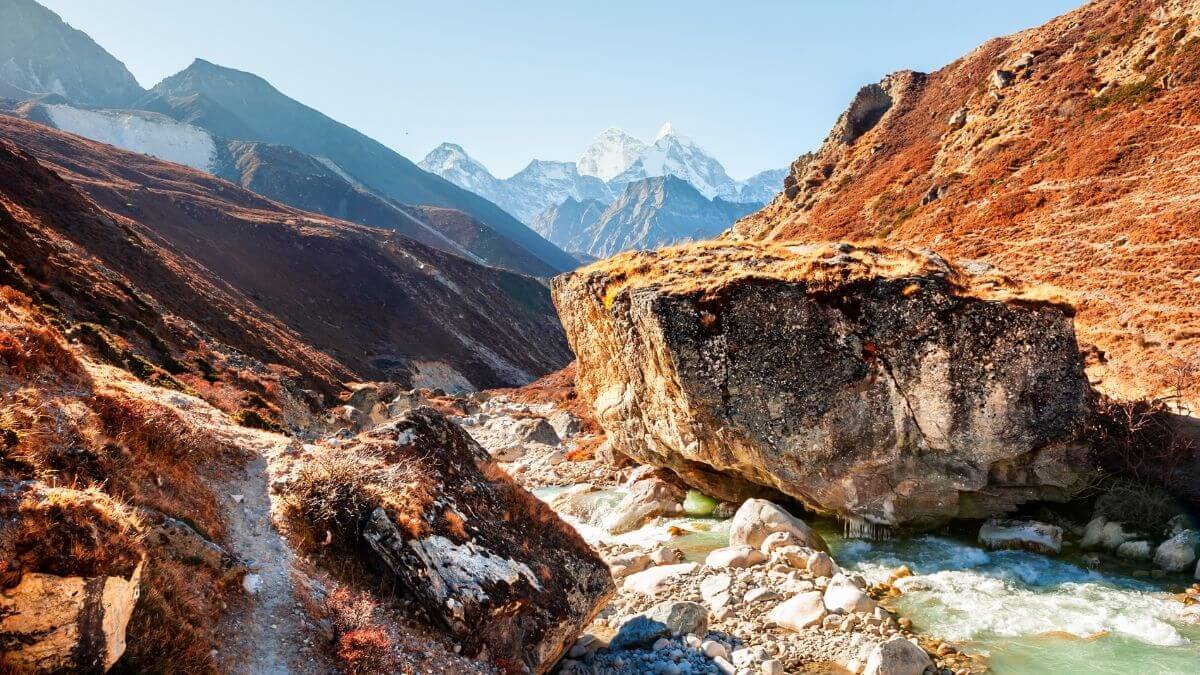
Rainy months may bring mud, leeches in lower forests, and cloud-covered paths. Winter brings cold winds and icy patches, which require extra caution. Knowing the season helps you plan your pace and understand what to expect each day.
Learning about the best seasons for Langtang Valley Trek helps you pick a time when the trail feels safer and more enjoyable.
Essential Gear for Langtang Valley Trek Safety
The right gear supports comfort, balance, and warmth, all of which contribute to safety. You don’t need technical equipment, but you do need reliable basics. Focus on weather protection, comfortable footwear, and simple emergency items.
Clothing and Layers
Mountain weather changes fast, so layers help you adapt without overheating or feeling cold. A lightweight base, warm mid-layer, and waterproof outer layer work well for Langtang. Footwear with good grip reduces slips on forest trails and rocky areas.
Navigation and Emergency Gear
Most trekkers follow guides, but basic awareness still matters. Simple items like a headlamp, whistle, power bank, and offline map help you stay oriented if visibility drops. A compact first aid kit also adds confidence for minor issues.
Who Is the Langtang Valley Trek Safe For?
The trek suits beginners, families with older kids, and anyone who can walk several hours a day at a steady pace. Because of moderate difficulty and lower altitude compared to Everest regions, many first-time hikers choose Langtang to build experience.
Extra caution is needed for people with breathing issues, heart concerns, or very low fitness levels. A bit of preparation helps you enjoy the journey while reducing challenges on Langtang Valley Trek and making the experience smoother.
Advantages of Trekking Langtang From a Safety View
Langtang offers several safety advantages, such as easier access from Kathmandu, shorter overall duration, and well-established villages along the route. The moderate altitude gain compared to other high Himalayan routes also makes it manageable for beginners.
However, there are still challenges on Langtang Trek, including fast weather shifts and sections of rocky paths. Staying prepared keeps expectations realistic and balanced.
Tips for Langtang Valley Trek Safety
Simple daily habits keep you safer on the trail. Walk at a comfortable pace, drink water often, and share any discomfort early instead of waiting for symptoms to grow. Stick to marked routes and avoid shortcuts through unmarked terrain.
Checking weather updates each evening helps you plan clothing and timing for the next day. Communicating clearly with your guide builds trust and ensures small problems don’t turn into bigger ones.
When Is the Safest Time to Do the Langtang Valley Trek?
The safest seasons are spring (March to May) and autumn (September to November). These months offer clear skies, stable temperatures, and predictable conditions.
Quick safe-season notes:
- Best visibility: spring and autumn
- Less rain and fewer slippery sections
- Warmer mornings and longer daylight hours
- Winter can be icy, and monsoon reduces visibility
Comparing Langtang Valley Trek Safety With Popular Treks
Compared to Everest Base Camp, Langtang has milder altitude gain and shorter trekking days. Compared to Annapurna Circuit, it feels more compact and less exposed to high-altitude passes. These factors make Langtang feel gentler, but preparation is still necessary because any mountain area carries risk.
Accessibility from Kathmandu also means support is easier to arrange, and evacuation times are shorter than on remote trails.
Final Safety Checklist for First-Time Trekkers
Use this simple checklist before you begin your trek:
- Check weather for the week
- Carry essential layers and rain gear
- Bring basic emergency items
- Confirm permits and itinerary
- Discuss pacing with your guide
- Monitor altitude symptoms daily
- Keep hydration steady
Book Your Adventure with Abound Holidays
Understanding safety helps beginners feel more confident while planning a trek like Langtang. When you know what to expect with altitude, weather, terrain, and daily habits, the journey becomes more enjoyable and less overwhelming.
Abound Holidays offers supportive planning, experienced guides, and clear safety awareness for travelers who want a steady and enjoyable trekking experience. If you're new to high-altitude hiking, having local experts helps you choose the right season, manage daily pace, and feel comfortable throughout the trip.
If you want friendly guidance for planning a safe Langtang experience, our local insights can help you feel more confident. Contact us today for further inquiry.
Learn More About Langtang Valley Trek
Lantang Valley Trek Route | Langtang National Park | Langtang Trek Wildlife Sighting | Langtang Valley Trek Photography | Essential Tips for Langtang Trek | Langtang Valley Trek Packing List | Best Time for Langtang Valley Trek
FAQs: Langtang Valley Trek Safety
Is the Langtang Valley Trek safe for beginners?
Yes, the Langtang Valley Trek is considered beginner friendly when you follow basic Langtang Valley Trek safety steps. The altitude is moderate, the trail is well-marked, and villages are spaced comfortably for rest. With simple preparation, beginners can complete it confidently.
What are the main risks on the Langtang trek?
The main risks include altitude gain, sudden weather changes, and slippery or rocky sections. Many Safety measures on Langtang Valley Trek focus on pacing, hydration, and staying aware of trail conditions to reduce these risks.
How high is the Langtang Valley Trek and when does altitude matter?
The highest viewpoints reach around 4800 to 5000 meters. Altitude begins to matter once you cross 3000 meters, which is where monitoring symptoms becomes important for how to plan for Langtang Valley Trek effectively.
Do I need a guide for the Langtang Valley Trek?
While the trail is marked, having a guide improves safety, helps with altitude pacing, and ensures quicker response during emergencies. Guides also monitor symptoms, which reduces challenges on Langtang Valley Trek.
What is the current post-earthquake condition of the trail?
The trail and villages have been rebuilt with stronger structures and improved paths. Current conditions are stable and safe for trekking, with regular updates and maintained routes.
What safety gear do I need for the Langtang trek?
Basic layers, trekking shoes, poles, waterproof clothing, a headlamp, and simple emergency items like a whistle and power bank are enough. These items support Safety measures on Langtang Valley Trek without overpacking.
When is the safest season to trek Langtang?
Spring and autumn offer the best stability, clearer skies, and comfortable temperatures. These seasons are ideal for visibility and trail safety.
How difficult is the Langtang Valley Trek compared to other treks?
Langtang Valley Trek easier than Everest Base Camp and shorter than the Annapurna Circuit. However, altitude and weather mean you still need basic preparation for safe trekking.