 based on 4 reviews
Langtang National Park lies north of Kathmandu, close to the border of Tibet. It is famous for its incredible biodiversity, dramatic mountains, and friendly Tamang communities. Whether you love trekking, wildlife, or cultural exploration, this protected area gives you a perfect mix of natural beauty and local mountain life.
Travelers often choose Langtang National Park to enjoy peaceful trails and stunning high Himalayan views without needing long travel days. This blog will help you understand the region, major attractions, trekking routes, best time to visit, and important safety information. Start planning your adventure today and see why travelers love Langtang park with its unique landscape and heritage.
Get to know Langtang National Park better before planning your Nepal adventure with Abound Holidays.
Langtang National Park Overview
Langtang National Park is Nepal’s first Himalayan national park, established to protect the rich natural ecosystems of the Langtang region. It stretches from lowland subtropical forests to high alpine peaks and glaciers, creating a rare environment where major climate zones exist within just a few days of walking.
Located directly north of Kathmandu and bordering Tibet, the park blends untouched wilderness with deep cultural history. Ancient yak pastures, Buddhist monasteries, and Tamang villages reflect centuries of mountain traditions.
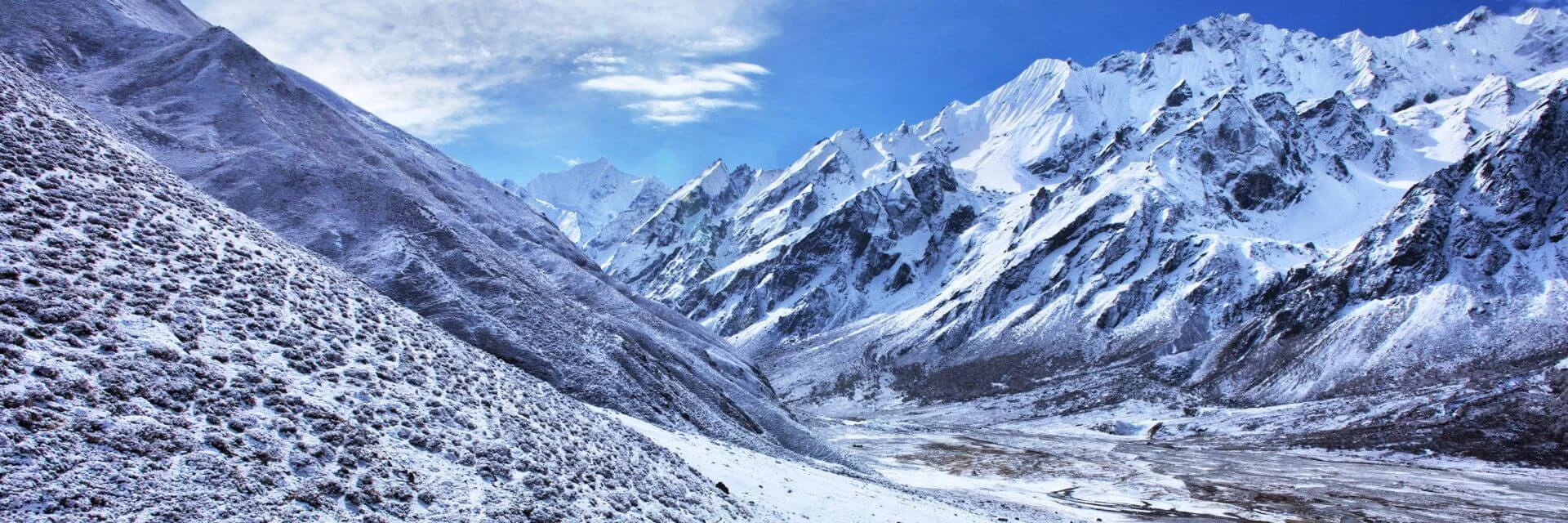
Meanwhile, crystal-clear rivers, waterfalls, and snow-covered summits make this region a paradise for trekkers and photographers. Langtang National Park offers easy accessibility compared to other Himalayan destinations like Everest or Annapurna, making it a top choice for travelers wanting maximum beauty with less travel time.
Quick Facts About Langtang National Park
Langtang National Park covers a huge land area and protects landscapes that rise quickly from river valleys to tall Himalayan peaks.
Quick facts:
- Established: 1976
- Area: 1,710 square kilometers
- Altitude Range: 1,000 to 7,245 meters
- UNESCO Status: Tentative listing for natural value
- Distance from Kathmandu: Around 6–7 hours drive
- Famous Treks: Langtang Valley and Gosaikunda Lake
These key points make the region popular among trekkers and nature lovers wanting to explore Himalayas closer to Kathmandu.
Highlights of Langtang National Park
From dramatic landscapes to sacred heritage sites, there are many reasons why travelers fall in love with Langtang park.
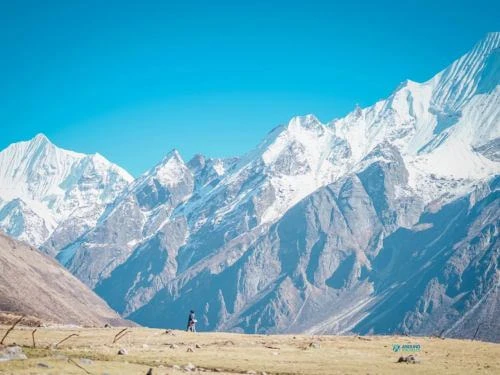
- Stunning Himalayan peaks including Langtang Lirung – A towering giant that watches over the entire valley.
- Charming Tamang heritage villages – Traditional homes, friendly locals, and deep Tibetan Buddhist influence.
- Wildlife encounters like red panda sightings – Rare opportunities to observe protected species in natural habitats.
- Gosaikunda sacred lakes – Pilgrimage destinations surrounded by alpine beauty.
- Shorter trekking routes with rewarding scenery – Easy access from Kathmandu without domestic flights.
Geography and Landscapes
The park is known for its dramatic geography. High mountains rise above deep river valleys, creating an incredible mix of glaciers, waterfalls, and rolling hills. Forests of pine, oak, and rhododendron color the trails during spring.
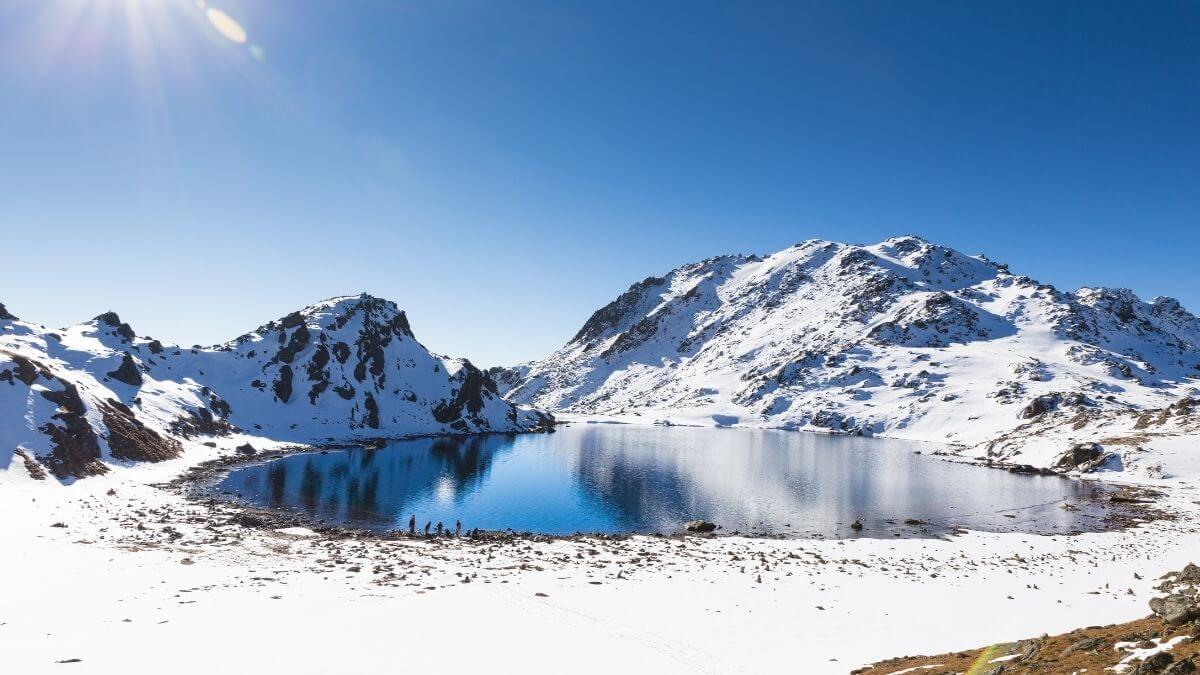
Major lakes and rivers help support life in the region, including the famous Gosaikunda lake system. The land shifts from warm subtropical zones to freezing alpine terrain as you climb higher. This makes every day of trekking feel like entering a new world.
Explore different areas of Langtang National Park to find the perfect Langtang Valley Trek for your interest and fitness level.
Wildlife and Biodiversity
Langtang National Park animals include endangered species and colorful birdlife supported by protected forests and alpine meadows.
Some notable mammals:
- Red Panda: A shy and endangered species known for its reddish fur and bamboo diet, often spotted in dense forests during quiet hours.
- Himalayan Tahr: A strong mountain goat with curved horns that climbs steep rocky slopes with ease.
- Musk Deer: A small deer species famous for its musk scent gland, often found in higher forests and bushes.
- Langur Monkeys: Active and playful tree dwellers that move in groups and are easy to see along trekking trails.
More than 250 species of birds call Langtang home, making it an excellent bird-watching region. Oaks, rhododendrons, and high-altitude shrubs create ideal habitats along the trails.
Conservation Efforts
The Langtang National Park follows strict rules to protect animal habitats and stop illegal hunting. Community-based programs involve locals in safeguarding nature while benefiting from eco-tourism. Responsible travel, guided treks, and park permits all help to support sustainability and conservation.
Local Culture and Communities
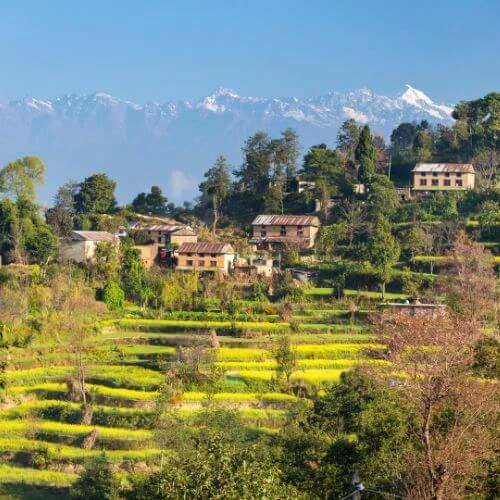
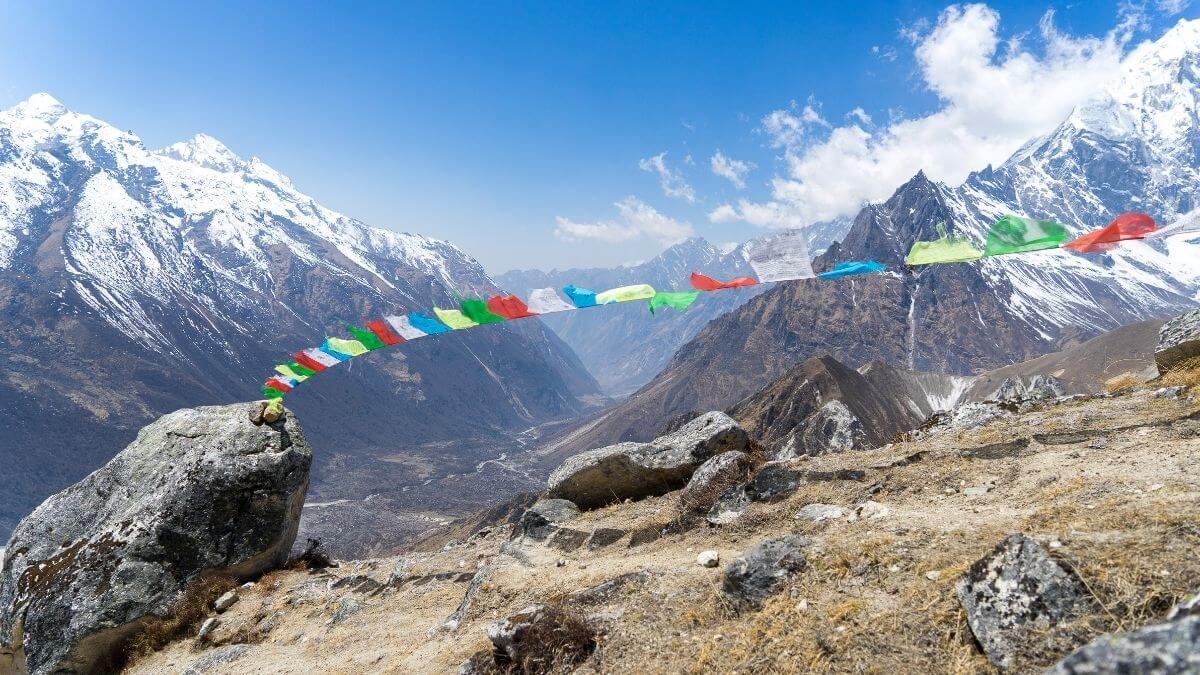
Most people in Langtang park belong to the Tamang ethnic group. Their lifestyle shows deep Buddhist and Tibetan cultural influence, visible in prayer flags, monasteries, and stone houses.
Colorful festivals and warm hospitality make each village visit meaningful. Travelers often stay in family-run teahouses, where homemade food and stories add to the adventure.
Popular Trekking Routes in Langtang National Park
The region has several well-known trails suitable for different trekking styles and experience levels. These trips are great for beginners, photographers, and nature lovers. Since Langtang national park trek routes are shorter than Everest or Annapurna, many travelers choose this region for its manageable distances and rich scenery.
Top routes include:
- Langtang Valley Trek – A favorite for first-time Himalayan trekkers
- Gosaikunda Lake Trek – A sacred trail with spiritual importance
- Helambu Trek – Closer to Kathmandu with friendly village interactions
Explore Abound Holidays Packing guide for a smooth adventure on the Langtang Valley Trek.
When is the Best Time to Visit Langtang National Park?
Langtang National Park weather changes with each season, so choosing the right time matters for a comfortable and safe trip.
- Spring (March–May): Best for rhododendron blooms and clear mornings
- Autumn (Sept–Nov): Popular for stable weather and festival season
- Winter (Dec–Feb): Peaceful trails but very cold higher up
- Monsoon (June–Aug): Green landscapes but risks of landslides
If you want great views and easy trekking, spring or autumn are ideal.
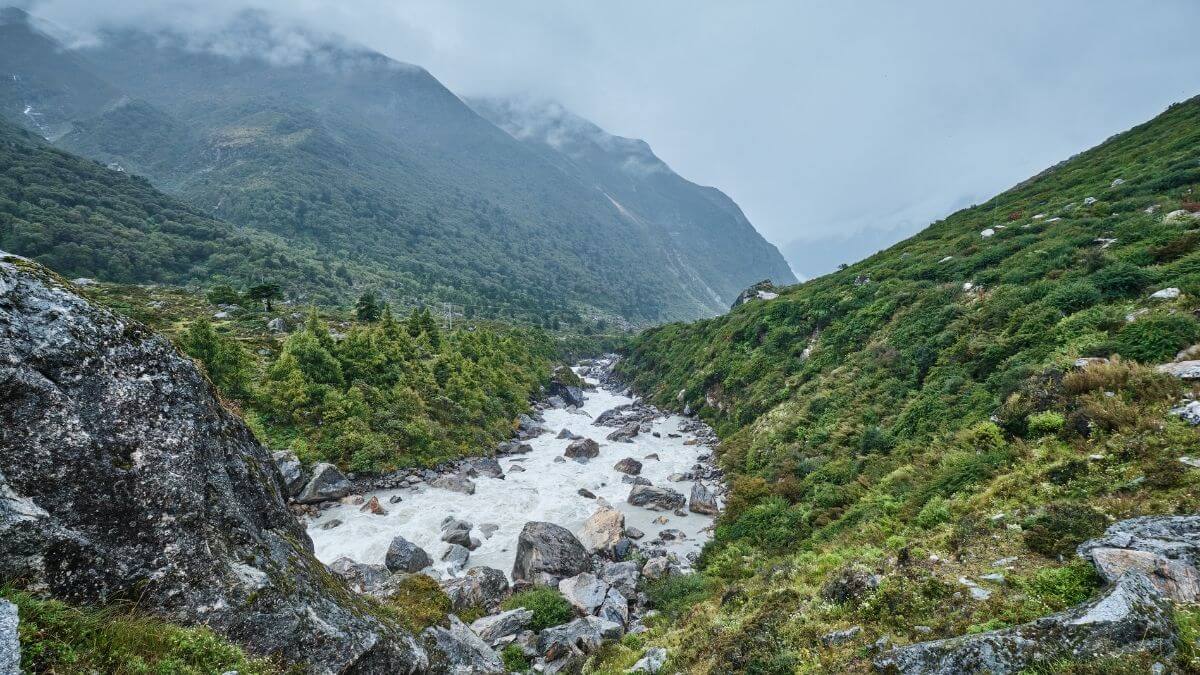
Check travel conditions and weather updates early to plan the best time for Langtang Valley Trek.
How to Reach Langtang National Park
Most visitors travel by road from Kathmandu to Syabrubesi, the main gateway to Langtang. The journey takes 6–7 hours depending on traffic and road conditions.
You can start your trek at different trailheads depending on your plan, making the region flexible to explore.
Permits and Entry Requirements
Permits are available in Kathmandu or at the park entry checkpoints. Guided treks help you manage rules, safety, and local navigation without stress. To visit Langtang park, you need:
- Langtang National Park Entry Permit
- TIMS Card (Trekkers Information Management System)
Safety Tips for Visiting Langtang National Park
Trekkers should stay alert to changing weather and altitude issues. Acclimatization is important, especially when heading to high viewpoints or Gosaikunda lakes.
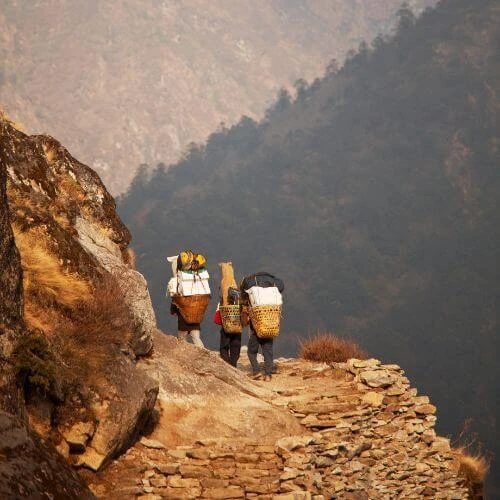
Trails can be steep or rocky, so good shoes and guided support are helpful. Always respect wildlife, stick to marked routes, and avoid disturbing protected areas.
Langtang vs Other National Parks in Nepal
Langtang National Park offers a completely different travel experience compared to Nepal’s more famous Everest and Annapurna regions. It provides quick access from Kathmandu, quieter trails, and a rich Tamang cultural heritage — making it ideal for trekkers who want beautiful views without long travel days or large crowds.
Below is a simple comparison table to help readers understand the differences:
Feature / National Park | Langtang National Park | Sagarmatha National Park (Everest) | Annapurna Conservation Area |
Travel distance from Kathmandu | Very close (6–7 hrs drive) | Requires flight to Lukla | Requires domestic travel or long drives |
Trekking crowd level | Less crowded & peaceful | Very popular & busy | Moderate to heavy traffic |
Cultural experience | Tamang & Tibetan Buddhist | Sherpa villages & monasteries | Mix of ethnic groups including Gurung |
Trek duration | 5–12 days (shorter options) | 12–16 days for EBC | 5–21 days depending on route |
Wildlife spotting | High chance of red panda sightings | Snow leopard and Himalayan tahr | Diverse flora and fauna |
Ideal for | First-time trekkers & nature lovers | Adventure seekers & high-altitude trekkers | Variety: from beginners to experts |
Plan Your Trip to Langtang National Park with Abound Holidays
Langtang National Park is a wonderful destination for anyone who wants close access to the Himalayas, rich cultures, and peaceful nature without long travel days. With scenic trails, red panda habitats, sacred lakes, and friendly mountain villages, the region provides a complete trekking adventure that is both rewarding and beginner-friendly.
Booking your Langtang National Park trek with Abound Holidays means you get expert local guidance, responsible travel practices, and flexible trekking plans built around your goals and fitness level. Our team helps with permits, routes, and safe travel arrangements — so you can focus on enjoying the experience.
Contact Abound Holidays today and let our local experts organize a smooth, safe, and unforgettable Langtang National Park trek for you.
Learn More About Langtang Valley Trek
Lantang Valley Trek Route | Langtang Trek Wildlife Sighting | Langtang Valley Trek Safety | Langtang Valley Trek Photography | Essential Tips for Langtang Trek | Langtang Valley Trek Packing List | Best Time for Langtang Valley Trek
FAQs
Where exactly is Langtang National Park located?
It is located north of Kathmandu in central Nepal, close to the border of Tibet. A road trip to Syabrubesi brings you to the entrance of Langtang park within a day.
How difficult is trekking in Langtang National Park?
Most trails are moderate, making the Langtang national park trek suitable for beginners with basic fitness. Some paths have steep sections, especially near Gosaikunda lakes.
Can you see red pandas in Langtang?
Yes, Langtang National Park animals include red pandas in their natural habitat. Sightings are more likely in forested areas during quiet morning walks.
How many days do Langtang treks usually take?
Popular trips like Langtang Valley take 7–10 days. Longer routes with Gosaikunda or Helambu can take 12–16 days depending on itinerary.
Do you need a guide to trek in Langtang National Park?
A guide is highly recommended for safety, navigation, and local information. They help with permits, accommodation, and weather decisions.
Is Langtang National Park safe after the 2015 earthquake?
Yes, routes have been restored and teahouses rebuilt. The area continues to welcome trekkers safely with guided support.
What is the weather like throughout the year?
Langtang National Park weather varies by altitude, but spring and autumn offer mild temperatures and clearer skies. Winter gets very cold at high elevations.
Are there tea houses and accommodation options inside the park?
Yes, most villages along the trekking trails provide teahouses with meals and basic lodging, making it easy to travel without camping gear.