Three days in Kathmandu. Is that enough time to actually see the city, or will you spend half of it stuck in traffic, unsure which temple to visit first?
Here's the short answer: Yes, 3 days is enough for Kathmandu if you plan it right. You won't see everything (no one does), but you'll hit the major cultural landmarks, get a real feel for the city, and leave with more than just photos. This guide from Abound Holidays will help you to make those three days count, with a day-by-day itinerary, honest tips, and the kind of practical detail most travel blogs skip.
How Many Days to Spend in Kathmandu
Choosing how many days to spend in Kathmandu depends on your travel style and pace. Here’s a quick comparison of 2, 3, and 5 days to help you pick the best fit.
2 Days in Kathmandu – Fast but Limited
Two days works if you're truly in transit. You can hit Boudhanath Stupa, Pashupatinath Temple, and maybe Thamel for an evening walk. But you'll be choosing between Swayambhunath and Bhaktapur, not seeing both. Expect to feel like you only scratched the surface.
3 Days in Kathmandu – The Sweet Spot
This is the Kathmandu itinerary that works for most travelers. You get time for the major religious sites, a proper wander through the old city, and a half-day trip to Bhaktapur or Nagarkot. You won't be running between sights with a checklist; you'll actually have time to sit at a chai stall and watch the city move.
5 Days in Kathmandu – Slow & Deep Travel
Five days opens up the Kathmandu Valley properly. You can add Patan Durbar Square, a cooking class in Thamel, a full-day sunrise trip to Nagarkot, and visits to lesser-known temples like Changu Narayan. Ideal for travelers who want cultural immersion over sightseeing.
Trip Length | Best For | What You Can See |
2 Days | Transit travelers | 3–4 major sites |
3 Days | First-time visitors | All key UNESCO sites + 1 day trip |
5 Days | Cultural travelers | Full valley + local experiences |
Thinking of setting aside a day for Kathmandu? Take a look at our Kathmandu City Tour blog for a simple, well-planned guide to make the most of your time.
Perfect Kathmandu 3 Day Itinerary (Day-by-Day Plan)
Day 1: Heritage & Culture Highlights
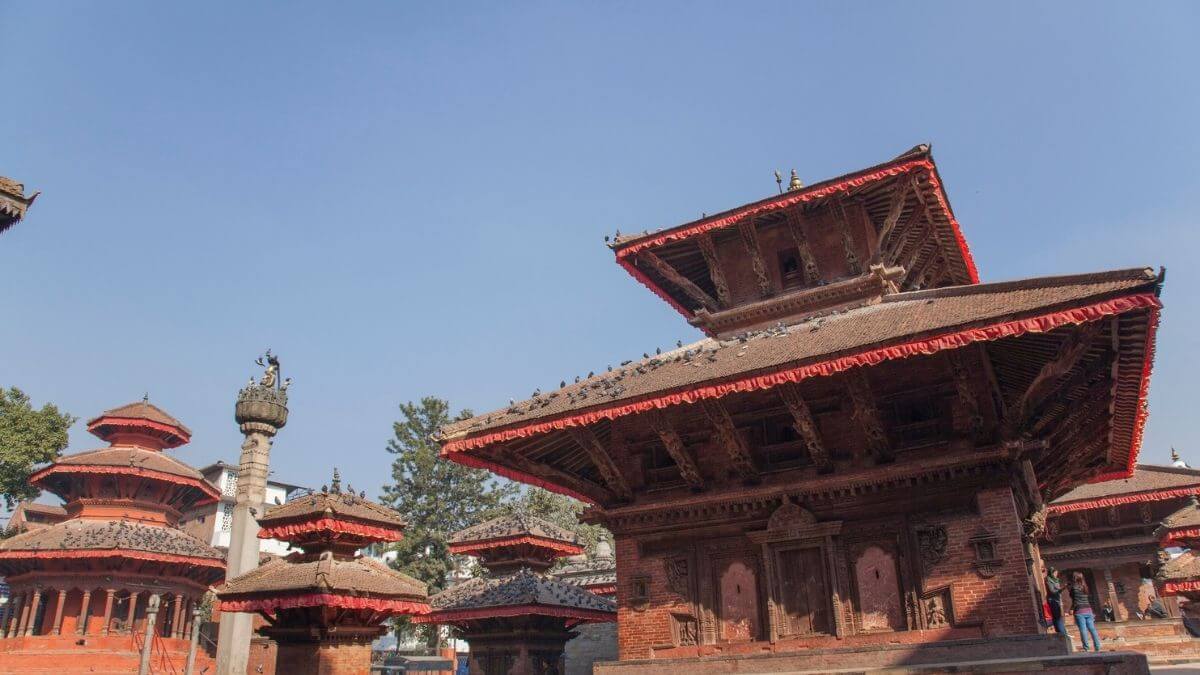
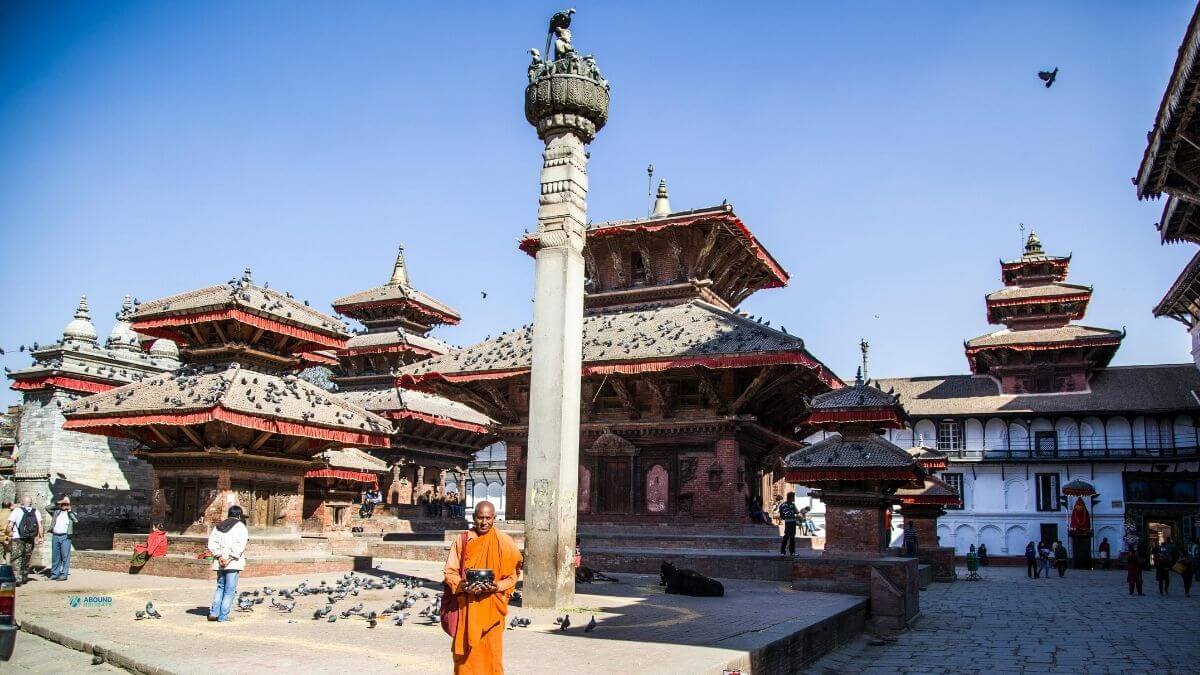
Start your first morning at Kathmandu Durbar Square before the crowds arrive. The square holds the old royal palace and some of the finest Newari architecture in the valley. Allow 1.5 to 2 hours here; there's more to explore than it looks from the entrance gate. After that, head west to Swayambhunath Stupa (the Monkey Temple). The 365-step climb is steeper than photos suggest, but the panoramic view of Kathmandu from the top is worth every step. Morning light is best here.
Spend your afternoon and evening in Thamel, Kathmandu's main tourist district. It's busy, a little chaotic, and full of gear shops, restaurants, and rooftop cafes. Have dinner here. Try the dal bhat or momos at a local spot rather than the tourist menus.
Estimated time: Durbar Square (2 hrs) → Swayambhunath (1.5 hrs) → lunch break → Thamel (2–3 hrs)
Check out our four-day Nepal tour package for a more immersive experience covering multiple heritage sites.
Day 2: Spiritual & Local Experience
Day 2 is the most culturally rich day. Start at Pashupatinath Temple, one of the most sacred Hindu temples in the world and a UNESCO World Heritage Site. Non-Hindus cannot enter the main temple, but the ghats along the Bagmati River and the surrounding area are deeply atmospheric and freely walkable. You may witness cremation ceremonies here; approach them with quiet respect.
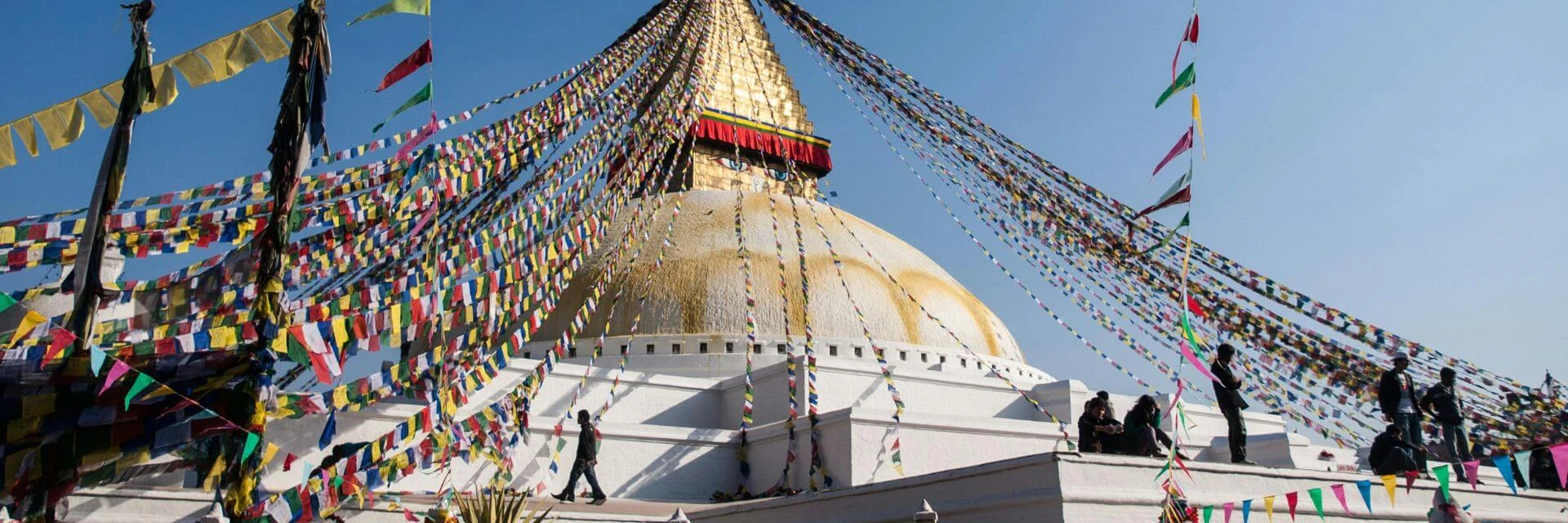
From Pashupatinath, it's a short drive to Boudhanath Stupa, the largest stupa in Nepal and one of the largest in the world. Walk the kora (circular path) around it, stop into one of the Tibetan cafes on the outer ring, and spend time watching the monks and pilgrims go about their morning rituals. This is the most peaceful place in Kathmandu.
End your afternoon at Asan Bazaar, the beating heart of old Kathmandu. It's a real local market with spice vendors, flower sellers, brassware shops, and a constant hum of everyday life. No entrance fee, no tour guide required. Just walk and look.
Estimated time: Pashupatinath (1.5 hrs) → Boudhanath (1.5–2 hrs) → lunch → Asan Bazaar (1–2 hrs)
If you’re seeking a deeper spiritual connection, consider combining your visit with our Nepal Yoga Meditation Retreat for a more meaningful experience.
Day 3: Day Trip & Scenic Views
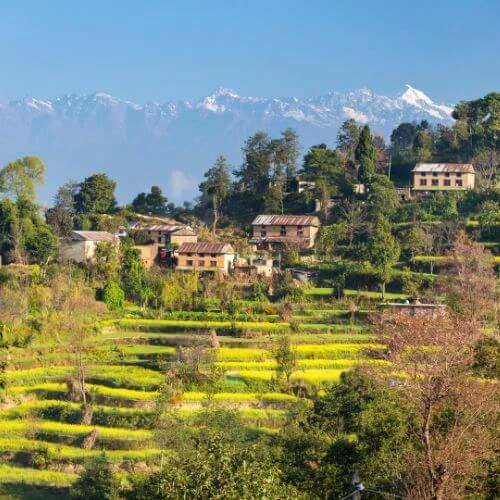
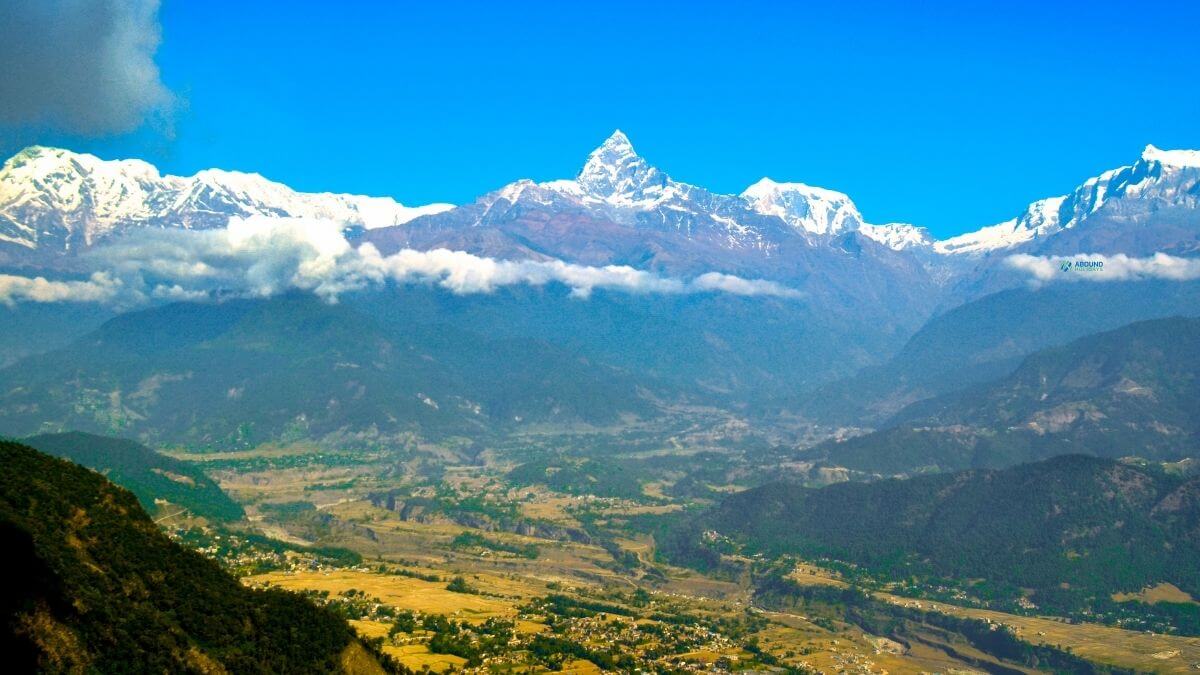
Your final day is best spent outside the city. Bhaktapur Durbar Square is only 13 km from central Kathmandu but feels like a different world: quieter, more preserved, and still largely lived in by local Newari families. The pottery square, the woodcarving museum, and the 55-Window Palace are highlights. If you're willing to leave very early (5 AM), combine the visit with a sunrise at Nagarkot (32 km from Kathmandu). On a clear day, you can see the Himalayas, including Everest in the far distance. This is best in autumn and spring when visibility is high. In monsoon season, clouds often block the view.
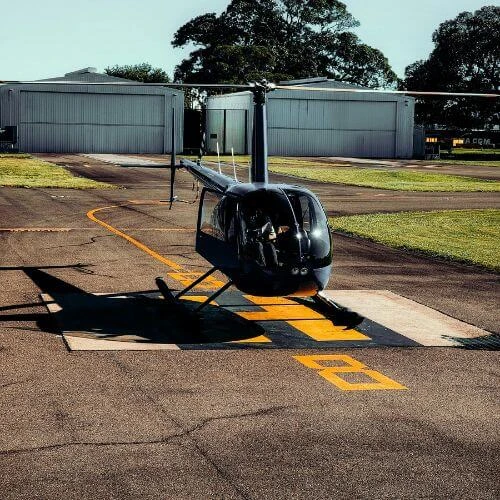
If you want a closer and clearer view of Mount Everest without the long trek, consider our Everest Helicopter Tour; it offers a breathtaking aerial experience and a once-in-a-lifetime perspective of the Himalayas.
Estimated time: Nagarkot sunrise (optional, early start) → Bhaktapur (3–4 hrs) → return to Kathmandu for lunch or departure
First-Time Travel Tips for Kathmandu
Few tips to make your travel smooth:
- Get a local SIM at the airport (NTC or Ncell); data is cheap and coverage is good
- Exchange cash at authorized exchange counters, not street touts
- Carry small bills; many temple entrances and local shops don't break large notes easily
- Share your hotel's phone number or a map pin with your driver rather than just the address.
- Remove your shoes before entering any temple or monastery
- Dress modestly: shoulders and knees covered at religious sites
- Walk clockwise around stupas and prayer wheels
- Don't touch statues of deities or point your feet at altars
- Ask before photographing people, always
Pro-Tip: Most people in Kathmandu are used to tourists, but genuine respect goes a long way. A simple namaste goes further than a camera pointed in someone's face.
Best Time to Visit Kathmandu for a 3-Day Trip
Spring (March–May) and autumn (September–November) are the best times to visit Kathmandu. Skies are clear, temperatures are comfortable (15–25°C), and the Himalayas are visible from viewpoints like Nagarkot.
- March–May: Rhododendrons bloom, and festivals like Holi and Bisket Jatra make the city lively. Good visibility.
- September–November: Post-monsoon clarity. Peak trekking season. Dasain and Tihar festivals (October/November) are spectacular, but hotels book out fast.
- December–February: Cold but dry. Clear mountain views. Low crowds. Some high-altitude areas get snow, but Kathmandu itself is fine.
- June–August (Monsoon): Expect daily rain, low Himalayan visibility, and muddier conditions. Not ideal for a short trip focused on sightseeing.
What Should I Pack for Kathmandu?
For a 3-day Kathmandu visit, pack light but smart:
- Layers: mornings and evenings are cooler than midday
- Comfortable walking shoes (not flip-flops; streets are uneven)
- A scarf or shawl for temple visits
- Sunscreen: UV is stronger at altitude than most travelers expect
- A small backpack for day use (leave your main luggage at the hotel)
Where to Stay in Kathmandu (Best Areas for 3 Days)
The best areas for 3 days in Kathmandu are Thamel for convenience and Patan/Bhaktapur for a quiet and cultural experience.
Stay in Thamel | Best for First-Time Visitors
Thamel is Kathmandu's tourist hub and the best base for a 3-day visit. Everything is walkable: restaurants, gear shops, tour agencies, ATMs. Options range from budget guesthouses under $20/night to boutique hotels around $80–$120. The area gets noisy in the evening (earplugs help), but the convenience is hard to beat.
Stay in Patan or Bhaktapur | Quiet & Cultural
If you'd rather be away from the tourist bubble, both Patan and Bhaktapur have small heritage hotels inside the old city. These are quieter, more atmospheric, and genuinely beautiful. Bhaktapur in particular feels like a living museum. Trade-off: you'll need transport to reach central Kathmandu attractions each day.
Recommended Read: Explore our Bhaktapur City Tour to discover the city’s rich culture and learn more about Abound Holidays’ offerings.
Local Experiences You Should Not Miss in 3 Days
These aren't on most templated itineraries, but they're worth building in:
- Morning tea at a rooftop café in Thamel: the city waking up around you, with Himalayan peaks visible on clear days
- A pottery session in Bhaktapur's Pottery Square: local artisans have worked here for generations
- Asan Bazaar at noon: the spice section alone is worth the sensory experience
- Evening kora at Boudhanath: the stupa is lit up, monks chant, and the whole circuit comes alive differently after dark
- Street momo stall: find one near Asan or in Thamel's side streets. $0.53 – $1 (NPR 80–150) for a plate. Far better than the tourist menus.
Guided Tour vs. DIY Travel | What's Better for 3 Days?
For a 3-day Kathmandu trip, a guided tour is often the better call, especially for Day 1 and Day 2. Kathmandu's heritage sites come with layers of history that you simply won't access from a sign or a Wikipedia article. A local guide can take you to corners of Pashupatinath that most tourists walk past and will know which view of Bhaktapur is worth the 10-minute detour.
DIY works well for evenings in Thamel and market wandering; you don't need a guide to explore Asan Bazaar.
Factor | Guided Tour | DIY |
Time efficiency | High — no navigation, no waiting | Medium — can lose hours to wrong turns |
Cost | Higher upfront | Lower, but adds up with taxis |
Depth of experience | Expert context at each site | Surface-level unless you research heavily |
Flexibility | Less (fixed schedule) | More |
Best for | First-time visitors, short trips | Experienced travelers, slower pace |
If you're looking for a structured but flexible Kathmandu experience, Abound Holidays offers curated Kathmandu city tours with local guides who know the valley in depth. Our itineraries are customizable based on your interests and travel dates.
Book Your Kathmandu Trip with Abound Holidays
Planning a trip to Kathmandu with real logistics: visa processing, airport transfer, finding guides who speak clear English, and making sure your 3 days don't get eaten up by poor route planning.
Abound Holidays specializes in Kathmandu Valley tours and custom itineraries. Here's what we bring:
- Local guides with deep knowledge of Kathmandu's heritage, not just the tour-script basics
- Pre-arranged transport so you don't lose half a morning finding a reliable taxi
- Flexible itineraries, whether you want to add Nagarkot, extend to Patan, or focus entirely on spiritual sites
- Support on the ground, someone available if plans change, weather shifts, or you need help
Final Thoughts
Three days is enough for Kathmandu: not to see everything, but to see what matters most and leave with a real sense of the place. Plan your route in advance, stay centrally, and don't try to add Pokhara or Chitwan to the same short trip.
The city rewards slowness. The best moments in Kathmandu aren't always the UNESCO sites; sometimes it's the light on a temple courtyard at 7 AM or the sound of Tibetan horns drifting from Boudhanath at dusk. Give yourself time for those.
Ready to plan your Kathmandu trip? Get in touch with Abound Holidays to customize your itinerary, and travel with local experts who know the valley inside out.
Frequently Asked Questions About Kathmandu Travel
How many days do you really need in Kathmandu?
Most travelers need 3 to 5 days. Three days is enough to cover Kathmandu's main highlights: the UNESCO World Heritage Sites, a local bazaar, and a half-day trip to Bhaktapur or Nagarkot. Five days allows for deeper cultural experiences, local markets, and a more relaxed pace.
Is Kathmandu worth visiting for a short trip?
Yes. Kathmandu is one of the most historically and culturally dense cities in Asia. Even 3 days gives you genuine exposure to Nepal's heritage, religious diversity, and everyday life in ways that most other short city trips can't match.
What are the must-visit places in Kathmandu in 3 days?
The four non-negotiables are Pashupatinath Temple, Boudhanath Stupa, Swayambhunath Stupa, and Bhaktapur Durbar Square. Add Kathmandu Durbar Square and Asan Bazaar if your pace allows.
Is Kathmandu safe for tourists?
Yes, Kathmandu is generally safe for tourists. Petty theft in crowded areas is the main concern; keep your bag in front of you in markets. Avoid isolated lanes late at night, and use hotel-recommended or metered taxis rather than unmarked vehicles.
How expensive is Kathmandu for 3 days?
Kathmandu is affordable by international standards. A budget traveler spending on guesthouses, local food, and public transport can manage on $100–$200 for 3 days. Mid-range travelers (comfortable hotels, some guided tours, and restaurant dining) typically spend $300–$600 for the same period.
Can I visit Pokhara in a 3-day Kathmandu trip?
No, not without making both trips feel rushed. Pokhara deserves a minimum of 2–3 days on its own. The drive is 6–7 hours (or a 25-minute flight), and combining it with a 3-day Kathmandu visit doesn't leave enough time in either city. Plan them as separate trips. Explore our Pokhara City Tour, tell us your travel dates and interests, and let us handle the planning.



 based on 3 reviews