
 based on 3 reviews
Bhutan is one of those places that feels completely different the moment you land. The air is cleaner, the pace is slower, and people genuinely care about their culture and environment. But here's the thing: Bhutan isn't your typical tourist destination. It has its own rules, its rhythm, and its own way of doing things.
A lot of travellers show up without really knowing what to expect. Small mistakes, like wearing shorts to a monastery or lighting a cigarette in the wrong place, can lead to awkward moments, fines, or just a bad experience overall.
This guide from Abound Holidays covers all the essential Bhutan travel tips you actually need. From the dos and don'ts in Bhutan to visa requirements and cultural etiquette, this is everything you should know before you go.
Bhutan Travel Overview: What Makes Bhutan Unique
Bhutan doesn't do mass tourism. It never has, and honestly, that's a big part of why it's so special and why many people lineup for Thunder Dragon Expedition.
The country runs on a "high value, low impact" tourism model. This means you can't just book a cheap flight and wander around freely. Every tourist needs a visa and a licensed tour operator and must pay a daily Sustainable Development Fee (SDF). It sounds strict, but it works. Bhutan has managed to protect its forests, its culture, and its identity in a way most countries haven't.
The rules aren't meant to make your life harder. They're meant to keep Bhutan, well, Bhutan. So when you understand why the rules exist, following them feels a lot more natural.
Quick Bhutan Travel Tips
Short on time? Here's a quick snapshot of the most important Bhutan travel tips:
- Respect culture and traditions: Bhutanese people are warm and welcoming, and they expect the same in return
- Dress modestly, especially at religious sites: cover your shoulders and knees
- Follow Bhutan travel requirements: get your visa sorted through a licensed operator before you travel
- Avoid littering: Bhutan takes its environment seriously, and so should you
- Ask before taking photos, especially inside monasteries or of religious figures
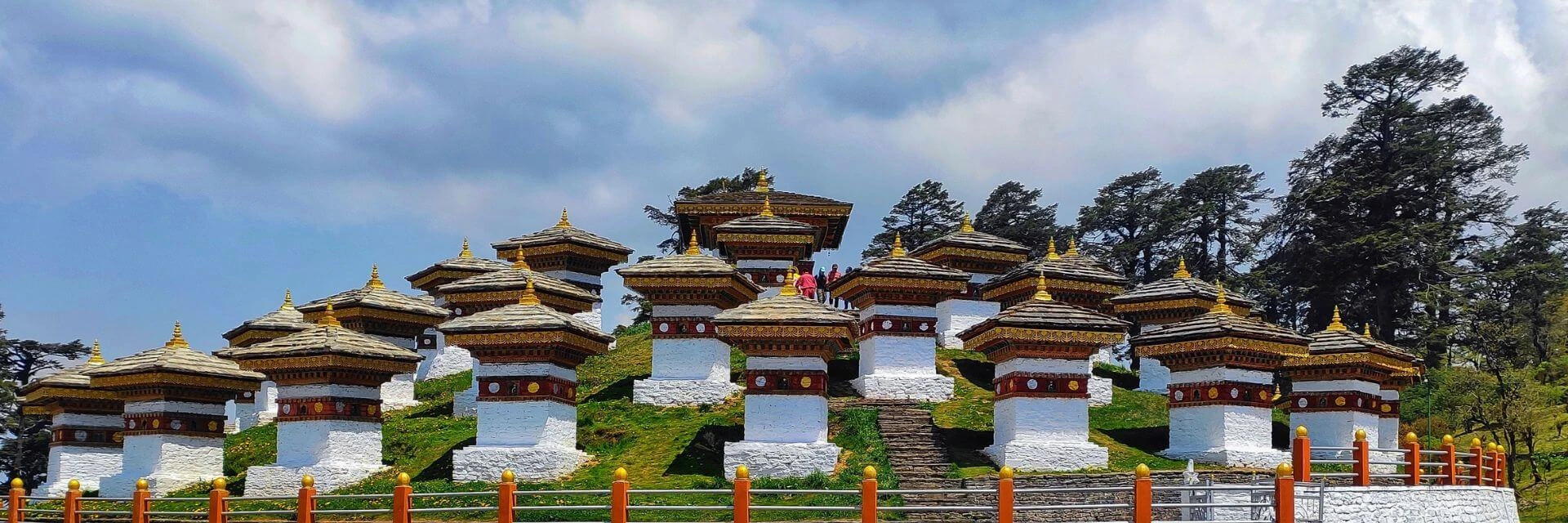
- Walk clockwise around stupas, chortens, and religious structures
- Hire a licensed guide: it's mandatory and genuinely adds value to your trip
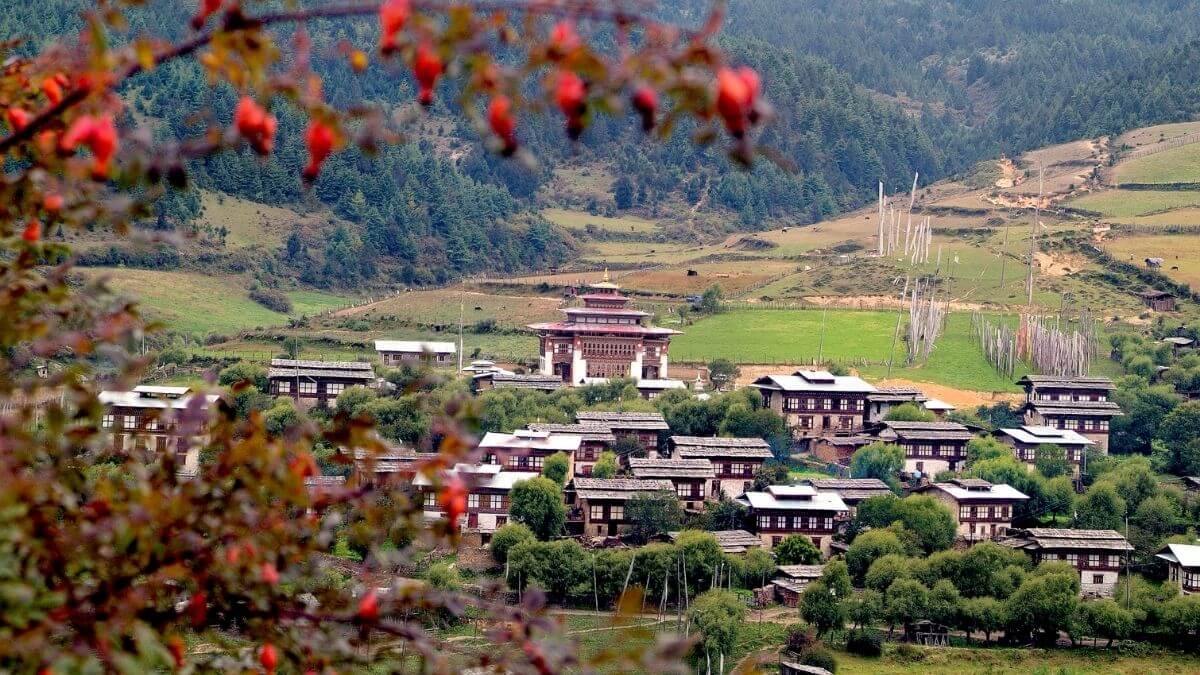
15 Dos and Don'ts for Travelers in Bhutan
Bhutan runs on its own rules, values, and a deep respect for culture and nature. As a visitor, there are certain things you should do and certain things you really shouldn't. Getting it right mostly comes down to being respectful, staying aware, and following your guide's advice. But knowing the basics before you arrive gives you a real head start when you go on a cultural tour in Bhutan.
Here are 15 essential dos and don'ts in Bhutan every traveler should know.
Dos in Bhutan: What You Should Do
Bhutan's culture, religion, and daily life are deeply connected. Knowing what to do before you arrive makes your trip smoother and more respectful. Here are the key things you should do as a visitor.
1. Respect Bhutanese Culture and Traditions
- Be polite, humble, and patient
- Accept food or drinks offered to you graciously
- Never appear dismissive of local customs
- A respectful attitude matters more than knowing every rule
2. Dress Modestly at Religious Sites
- Cover your shoulders and knees before entering
- Always remove shoes at the entrance
- Remove hats if asked
- Carry a light scarf, useful in temples and cool evenings
3. Follow Bhutan Travel Requirements
- Book through a licensed Bhutanese tour operator
- Get your visa clearance letter sorted before travel
- Pay the Sustainable Development Fee (SDF), currently USD 100/night (verify before booking)
- Keep all travel documents ready before flying
4. Support Local Businesses
- Buy handmade textiles, thangkas, and crafts from local shops
- Eat at local Bhutanese restaurants
- Stay in Bhutanese-run guesthouses when possible
- Your spending directly supports local communities
5. Ask Before Taking Photos
- Always ask before photographing monks, elders, or people in traditional dress
- Check for no-photography signs inside temples and monasteries
- Many sacred interiors are completely off-limits for cameras
- Most locals will say yes; just ask first
6. Walk Clockwise Around Religious Sites
- Always walk clockwise around stupas, chortens, and mani walls
- Never go counter-clockwise; locals notice
- Your guide will remind you, but keep it in mind yourself
7. Protect the Environment
- Carry a reusable water bottle
- Don't pick plants, disturb wildlife, or leave marked trails
- Keep natural areas exactly as you found them
- Match the pride locals take in keeping Bhutan clean
8. Try Local Food and Traditions
- Try ema datshi, the national chili and cheese dish (yes, it's spicy)
- Explore red rice, momos, and buckwheat dishes
- Join local festivals if timing allows
- Slow down and absorb the culture, not just photograph it
Don'ts in Bhutan: What to Avoid
Bhutan's rules are taken seriously. Most tourist mistakes come from simply not knowing. Here's what to avoid so your trip stays memorable for the right reasons.
9. Don't Disrespect Religious Places
- Keep your voice low inside the temples
- Never point feet toward statues or altars
- Don't touch sacred objects unless invited
- Don't interrupt monks during prayers or rituals
10. Don't Smoke in Restricted Areas
- Declare tobacco at customs and pay the required tax
- Never smoke near temples, public places, or nature reserves
- If you're unsure whether smoking is allowed, don't.
- Fines are serious and strictly enforced
11. Don't Wear Revealing Clothing
- Avoid shorts, sleeveless tops, or anything exposing too much skin
- Dress conservatively in towns and villages, not just temples
- Loose, modest clothing also keeps you warmer in highland areas
12. Don't Litter or Harm Nature
- Never drop waste on trails, roads, or near water sources
- Littering can carry real fines here
- Bhutan is one of the most ecologically intact places on earth; treat it that way
13. Don't Take Photos Where Prohibited
- 'No photography' signs mean exactly what they say
- Never sneak photos in restricted areas
- Put the camera down and actually experience the space
14. Don't Bargain Rudely
- Keep any negotiation light and friendly
- Never lowball, push hard, or act aggressively with vendors
- A polite "Any flexibility on the price?" is all you need
15. Don't Ignore Local Rules or Guides
- Trust your guide when something is off-limits
- Listen to temple caretakers and local officials immediately
- Bhutan's rules exist for a reason; they're not optional
Bhutan Culture and Etiquette: A Simple Guide for Tourists
Bhutanese culture and etiquette are more intuitive than most people expect. You don't need a crash course in Buddhism; just a basic understanding of how people interact here goes a long way.
- Greetings: Say "Kuzuzangpo la" to greet locals; a slight bow toward elders or monks makes it even more respectful.
- Body language: Use an open hand when pointing, never a single finger, and keep physical contact minimal with people you've just met.
- Respecting monks and elders: Never walk in front of a seated monk, offer your seat to elders on public transport, and remember these small gestures are always noticed.
- Temple and monastery behavior: remove shoes before entering, never turn your back on altars or statues when leaving, and always speak quietly and move slowly inside.
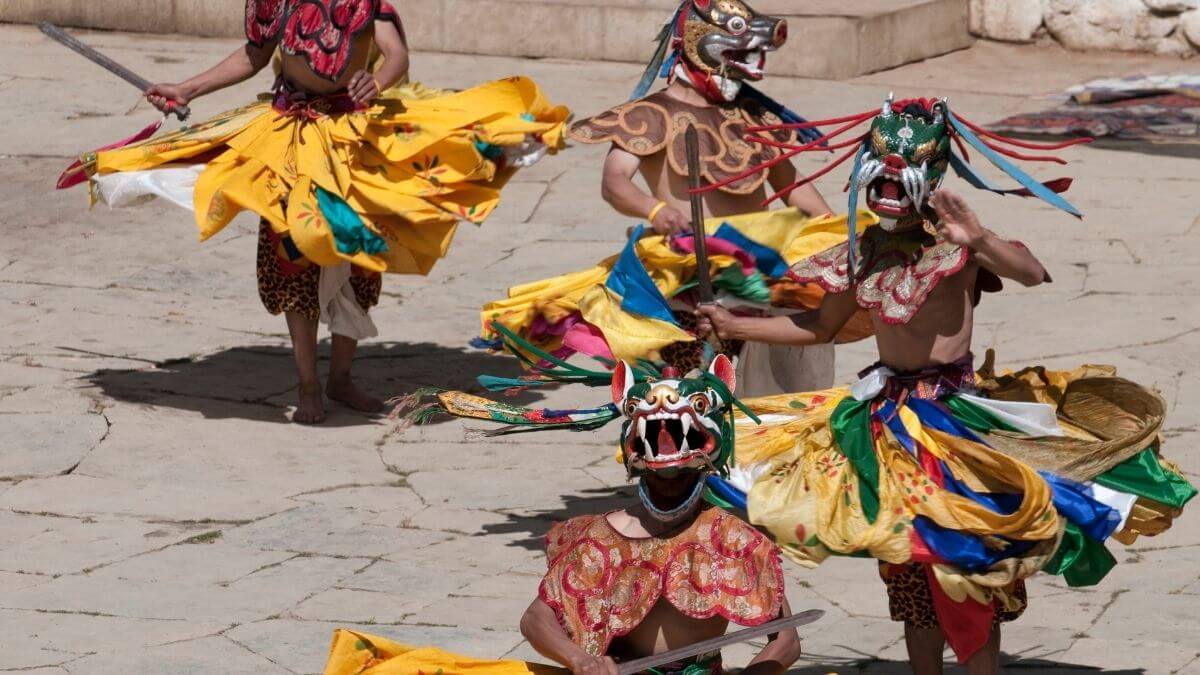
Bhutan Travel Requirements
Before you book anything for the Bhutan tour, make sure these essentials are sorted. Bhutan has a structured entry system, and getting the paperwork right from the start saves a lot of headaches later.
- Visa: Most nationalities need a visa; your operator handles the application, and the visa is stamped on arrival.
- Sustainable Development Fee (SDF): Every international tourist pays a daily SDF, which funds healthcare and education. Verify the latest rate before booking.
- Licensed Tour Operator: Independent travel isn't allowed; all visits must be booked through a licensed operator who arranges everything.
- Regional Permits: Some areas, like Haa Valley, require extra permits beyond the standard visa; your operator handles these.
Bhutan Travel Guide for First-Time Visitors
If this is your first time traveling to Bhutan, here's the practical stuff that actually matters. Bhutan isn't a destination you can wing; a little preparation goes a long way in making your trip smooth, comfortable, and stress-free.
- Best time to visit: Spring (March to May) and autumn (September to November) are the best seasons; clear skies, good trekking, and major festivals like Paro Tsechu fall in these windows.
- Packing tips: Pack layers, as Bhutan's weather varies by altitude; comfortable walking shoes and a rain layer are essential year-round.
- Currency: The Bhutanese Ngultrum (BTN) is pegged to the Indian Rupee. Carry cash, as card acceptance is limited outside major towns.
- Internet: Mobile data is available but gets patchy in valleys and higher elevations; download offline maps before heading out.
Recommended Read: 10 Best Places to Visit in Bhutan
Bhutan Safety Tips for Travelers
Bhutan's safety tips for travelers start with the reassuring fact that Bhutan is genuinely one of the safest countries in Asia for tourists. Petty crime is rare, violent crime is almost unheard of, and locals are generally helpful and trustworthy.
- General safety: Stay with your guide, especially in remote areas. Let your operator know your daily plans. Keep copies of your travel documents.
- Health and altitude: Paro sits at around 2,200 meters, and many treks go much higher. Take it slow on arrival, stay hydrated, and consult a doctor before trekking at altitude.
- Medical facilities: Healthcare in Bhutan is basic outside of Thimphu and Paro. Travel insurance with medical evacuation coverage is strongly recommended.
- Wildlife: If you're trekking in forested areas, be aware that bears and other wildlife are present. Your guide will know what precautions to take.
Final Thoughts
Honestly, Bhutan is the kind of place that stays with you long after you leave. There are no mega-resorts or theme parks here, just a culture still largely intact, breathtaking landscapes, and a pace of life that makes you slow down whether you want to or not.
The dos and don'ts in Bhutan aren't about making travel harder. They're about keeping the place as special as it is right now. Go with an open mind, follow the rules, listen to your guide, and give yourself permission to just be there without rushing it. It's worth every bit of the planning.
At Abound Holidays, we take care of everything from your visa and SDF paperwork to your guide, accommodation, and itinerary. All you have to do is show up with an open mind.
Ready to experience Bhutan the right way? Contact us today to start your Bhutan journey with Abound Holidays!
FAQs on Bhutan Travel Tips
What are the key dos and don'ts in Bhutan?
Dress modestly, respect religious sites, walk clockwise around stupas, and never smoke, litter, or ignore your guide.
What should tourists know before visiting Bhutan?
A visa, a licensed tour operator, and an SDF payment are all mandatory; independent travel isn't permitted.
Is Bhutan safe for travelers?
Yes, Bhutan is very safe, but watch for altitude sickness and limited medical facilities outside main towns.
What are Bhutan's tourist rules?
Book through a licensed operator, pay the SDF, follow dress codes, and respect no-photography zones and tobacco laws.
Can you travel independently in Bhutan?
No, all visits must be arranged through a licensed Bhutanese tour operator.
What is the SDF fee in Bhutan?
The SDF is currently USD 100 per person per night; please verify the latest rate before booking.