 based on 5 reviews
Planning a trek in Nepal but feeling unsure about the latest rules is very common right now. Many travelers are asking the same thing before booking their trip.
Can I trek solo in Nepal in 2026?
The answer is yes, but only under certain conditions. Nepal has updated its trekking rules, especially for restricted areas, to allow more flexibility while still maintaining safety and control in remote regions.
This guide from Abound Holidays explains everything clearly so you can decide what works best for your travel style, experience, and budget.
What Changed in Nepal Trekking Rules
Nepal’s Department of Immigration has revised the trekking permit system for restricted areas. This is one of the most important changes in recent years because it directly affects how solo travelers plan their trips.
Previously, permits for restricted areas were issued only to groups of at least two trekkers. This made it difficult for solo travelers to access some of Nepal’s most unique regions. That rule has now changed.
Key Changes at a Glance
- Solo trekkers can now obtain permits
- The minimum group requirement has been removed
- A licensed guide is still mandatory in restricted areas
- Permits must be processed through a registered trekking agency
- Direct application by trekkers is not allowed
- The permit system is now digitised and online
- Guide to trekker ratio set at 1 guide for up to 7 trekkers
These updates make trekking more accessible while keeping safety and monitoring in place.
Safety Responsibility and Permit System Updates
The updated rules place strong emphasis on safety and accountability. Once you book a trek through an agency, that agency becomes fully responsible for your journey. This includes managing logistics, arranging guides, and coordinating emergency rescue if needed. These are not optional services but part of the official requirement.
What the Agency Handles
- Emergency rescue coordination
- Trekking logistics and route planning
- Guide assignment and management
- Compliance with government regulations
Nepal has also modernized its permit system.
New Permit System Features
- Fully digital application process
- Faster approval time
- Can be applied using Nepal visa number or application ID
- Designed to be more efficient and user-friendly
Even with these updates, permits are still issued only through registered agencies. Contact Abound Holidays for more detailed information.
Where These Rules Apply in Nepal
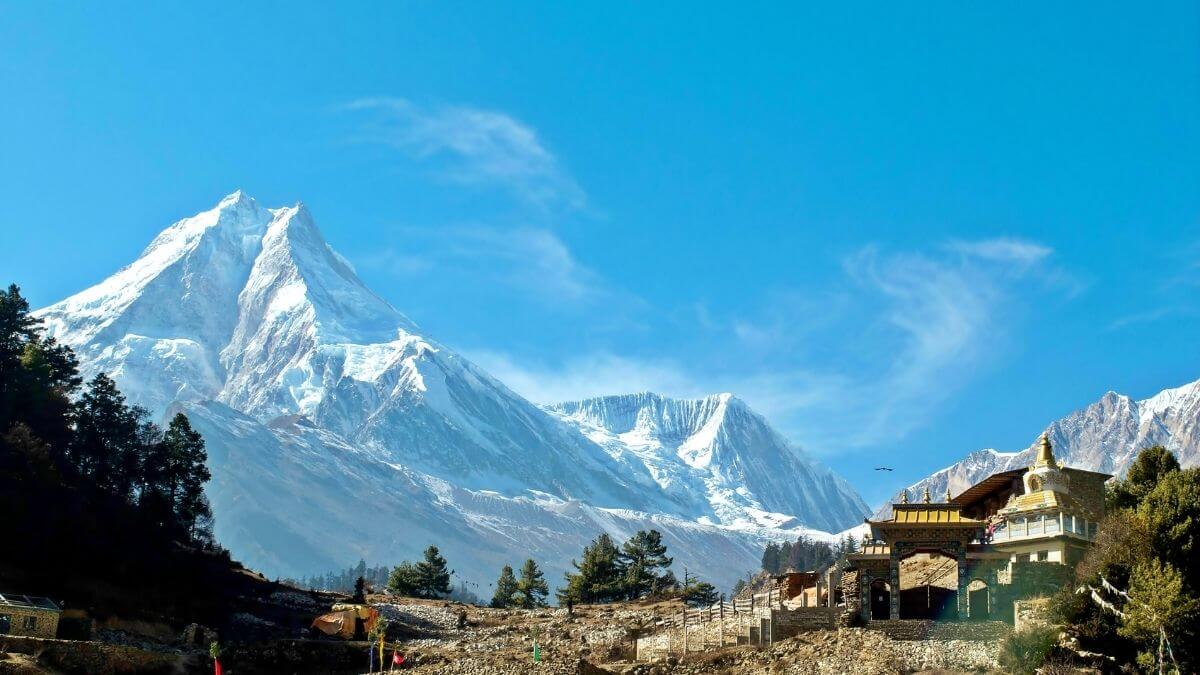
These updated trekking rules apply specifically to restricted areas across multiple districts in Nepal. These regions are known for their remoteness, cultural significance, and limited infrastructure.
Major Restricted Areas Include
- Upper Mustang
- Upper Dolpo and Lower Dolpo
- Manaslu region (Gorkha)
- Tsum Valley
- Nar and Phu Valley (Manang)
- Humla
- Taplejung
- Dolakha
- Sankhuwasabha
- Solukhumbu (restricted zones)
- Rasuwa
- Bajhang
- Mugu
- Darchula
Because of their terrain and isolation, these areas require stricter control and support systems.
Can You Really Trek Alone in Nepal
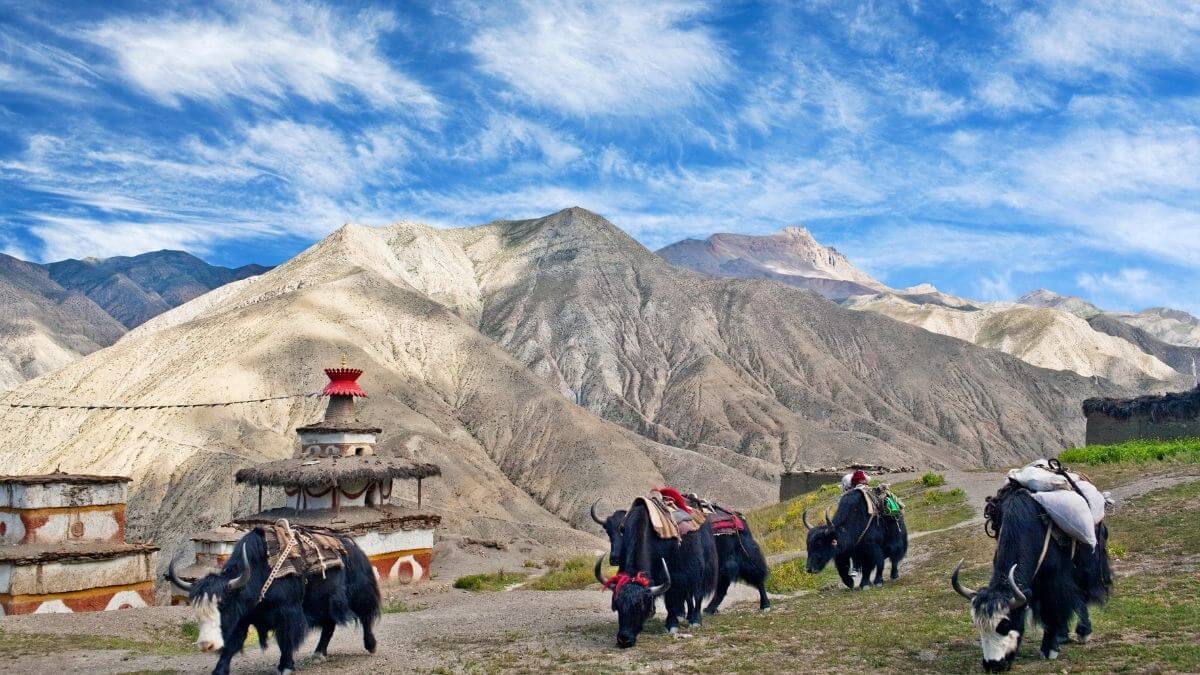
This is where most travelers get confused. You can travel alone in Nepal without any problem. You can plan your trip, choose your itinerary, and move independently between cities and regions. But trekking alone depends on where you go.
What You Can Do
- Travel independently across Nepal
- Plan your own itinerary
- Trek solo in non-restricted areas
- Book permits as an individual
What You Cannot Do
- Trek restricted areas without a guide
- Apply for restricted permits yourself
- Enter controlled regions without agency support
So the idea of solo trekking still exists, but it is limited by location.
Choosing Between Restricted and Non-restricted Treks
Understanding the difference between these two categories helps you make a better decision. Restricted treks offer remote landscapes, fewer crowds, and deeper cultural experiences. They are ideal for travelers who want something unique and are willing to follow stricter rules.
Non-restricted treks are more flexible, more affordable, and easier to plan. They are suitable for first-time trekkers and those who prefer independence.
Feature | Restricted Trek | Non-Restricted Trek |
Guide | Mandatory | Optional |
Agency | Required | Optional |
Cost | Higher | Lower |
Freedom | Limited | Flexible |
Experience | Remote and unique | Popular and accessible |
Choosing the Right Trek for Your Travel Style
Your experience level and expectations should guide your decision more than anything else.
If You Are a First-Time Trekker
If You Are an Experienced Trekker
- Try Manaslu, Mustang, or Dolpo
- More remote and challenging
- Fewer crowds and a deeper experience
If You Are a Solo Traveler
- Consider guided treks for safety
- Choose non-restricted areas for flexibility
- Use agencies for easier logistics
Why Nepal Introduced These Rules
These changes are part of a broader effort to improve trekking in Nepal.
Key Objectives of the Policy
- Promote tourism in restricted regions
- Encourage independent travelers
- Improve safety and monitoring
- Create local employment opportunities
Organizations like the Trekking Agencies Association of Nepal (TAAN) have supported these changes as they improve both safety and structure.
Final Decision: Is It Worth It
So, is solo trekking in Nepal worth it in 2026? The answer depends on your expectations.
What You Gain
- Access to unique and remote regions
- Better safety and support
- Structured and organized trekking experience
What You Trade
- Full independence in restricted areas
- Flexibility in planning
- Higher costs due to the guide and agency
In simple terms, you exchange some freedom for safety and access.
Final Thoughts
Nepal remains one of the best trekking destinations in the world. The updated rules do not limit your experience but help shape it in a safer and more structured way.
You can still travel solo, plan your own journey, and explore incredible landscapes. The key is understanding where independence is possible and where support is required. Once you understand that balance, planning your trek becomes much easier.
Talk to our travel experts and find the best Nepal trekking experience based on your budget, timeline, and experience level.
FAQs
Can you trek solo in Nepal in 2026?
Yes, you can trek solo in Nepal, but only in non-restricted areas. In restricted regions, a licensed guide and registered agency are mandatory even if you apply as a solo traveler.
Do I need a guide for trekking in Nepal now?
A guide is not required in all regions, but it is compulsory in restricted areas like Manaslu, Upper Mustang, and Dolpo. For non-restricted treks, a guide is optional but recommended.
Can I get a trekking permit without an agency?
For non-restricted areas, you can arrange permits yourself in some cases. However, for restricted areas, permits must be processed through a registered trekking agency.
What are the restricted trekking areas in Nepal?
Restricted areas include regions like Upper Mustang, Dolpo, Manaslu, Tsum Valley, Nar and Phu Valley, and parts of Humla and Taplejung. These areas require special permits and a guide.
Is solo trekking safe in Nepal?
Solo trekking can be safe in popular regions like Annapurna and Everest if you are well prepared. However, hiring a guide improves safety, navigation, and overall experience.
Why did Nepal change its trekking rules?
Nepal updated its trekking rules to improve safety, better monitor trekkers, promote tourism in remote areas, and create local employment opportunities.