 based on 5 reviews
Experiencing Mardi Himal Trek culture means getting close to the daily lives, beliefs, and traditions of the mountain communities who call the Himalayas home. This culture shows how people live with nature, support one another, and carry forward their heritage through simple yet meaningful practices. For first-time trekkers, learning about village customs and faith can make the journey more special.
As you walk from lowland villages to high-altitude settlements, you will meet people who warmly welcome visitors into their homes and teahouses. Understanding Mardi Himal Trek culture gives a deeper connection to the trail — turning a scenic walk into an authentic cultural adventure.
Learn how Mardi Himal Trek culture can shape a more meaningful travel experience with Abound Holidays.
Overview of Cultural Experiences on Mardi Himal Trek
Along the trail, trekkers find a blend of welcoming hospitality and rich heritage. The community spirit plays a big role, and every guest is treated like a friend. Mardi Himal Trek culture thrives as tourism helps protect traditions and support local families.
Key cultural highlights:
- Friendly teahouse hospitality
- Village life mixed with mountain challenges
- Spiritual symbols guiding the route
- Local foods served fresh each day
If you enjoy cultural travel, learning about local life on the Mardi Himal Trek will make your route even more rewarding.
Ethnic Groups and Traditional Communities Along the Trail
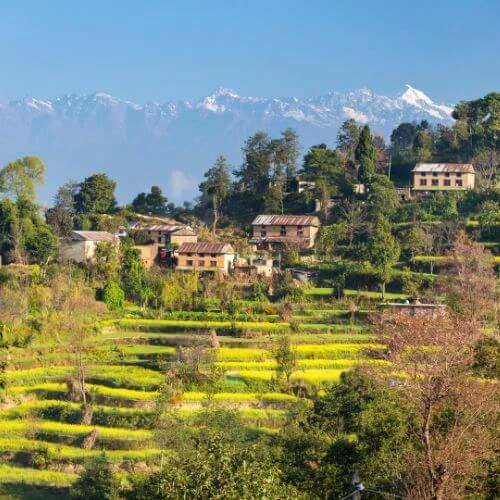
The Mardi Himal region is home mainly to Gurung and Magar people, both known for strong family bonds and village unity. Houses are often built close together to share farming land, water, and community spaces. Trekkers are asked to behave respectfully when passing through remote areas so daily life remains undisturbed.
Gurung Heritage
Gurung people have a unique language, traditional dress, and strong ancestral ties. Their lifestyle depends on farming and raising animals, and they are known for their warm hospitality. Many teahouse owners along the route come from Gurung families, making Mardi Himal Trek easier to experience firsthand.
Magar Roots
Magar communities have distinct social traditions, food habits, and celebrations. Villagers may offer local dishes like millet bread or homemade drinks. Crafts such as weaving, carpentry, and farming tools reflect typical occupations. Trekkers can learn about Mardi himal trekking lifestyles by observing these village routines.
Local Traditions, Festivals, and Rituals
Festivals are a big part of daily life. Depending on the season, trekkers may see celebrations like Dashain, Tihar, or Losar. Many traditions follow farming seasons and honor nature’s connection to the mountains. Knowing cultural dos and don’ts keeps interactions positive.
Buddhist and Hindu Influence
Prayer flags, Mani walls, and small monasteries show how both Buddhism and Hinduism shape the region. These faiths blend in homes and daily rituals. Travelers should walk clockwise around religious sites and stay quiet inside temples as a sign of respect.
Village Life and Social Gatherings
Evenings can be lively with folk music, dance, and shared meals. Teahouses also act as community hubs where travelers and locals interact. Joining respectfully helps you learn about Mardi Himal Trek culture while enjoying local company.
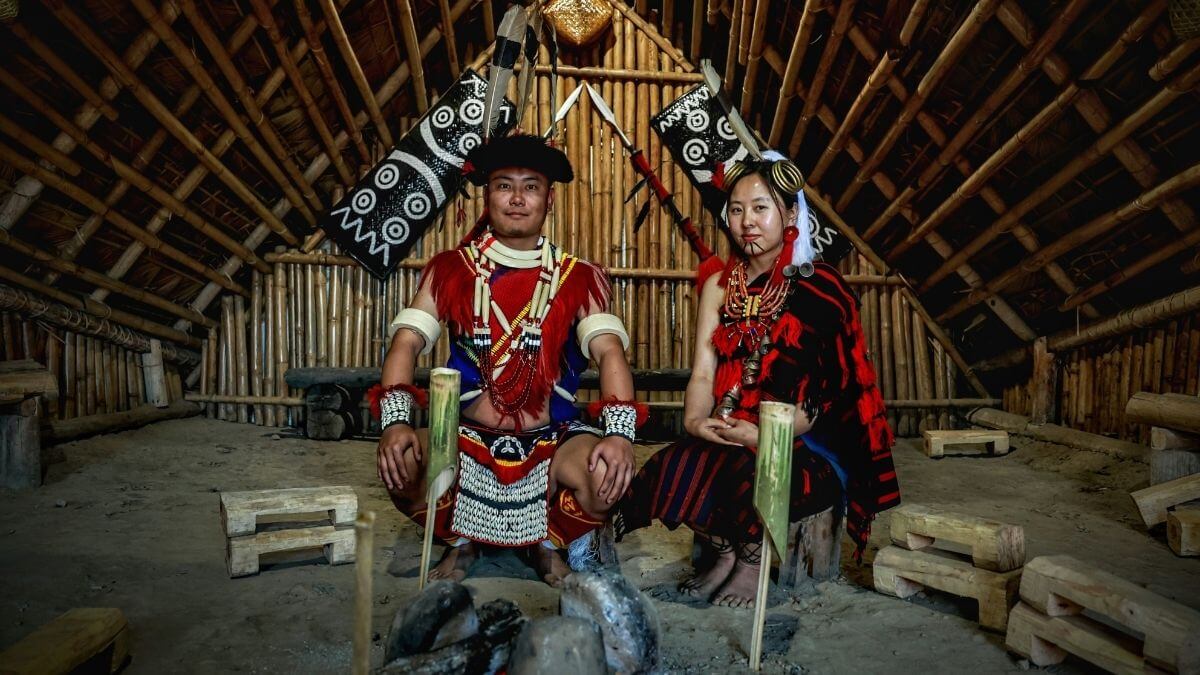
Architecture and Sacred Symbols
Traditional stone houses, wooden frames, and simple roofs help families survive cold mountain weather. Homes often include symbols believed to protect from storms and bring good fortune. These designs reflect the tight link between belief and survival.
Monasteries and Chortens
Monasteries and chortens are important for guidance and spiritual protection. Trekkers will often find them placed on ridgelines or near crossroads. Always ask before taking photos and avoid touching or climbing on sacred structures.
Prayer Flags and Mani Stones
Prayer flags send blessings into the wind, while Mani stones display sacred mantras. Each color has meaning, symbolizing elements of life and nature. While practicing Mardi himal trek culture facts, remember to pass Mani walls on the left side to show respect.
Food and Local Flavors on the Mardi Himal Route
Meals on the trail are simple, healthy, and comforting. Dal bhat is the main food for most families — rice, lentils, and seasonal vegetables grown locally. You may also try warm snacks, butter tea, and homemade drinks that show the heart of Mardi Himal Trek culture.
Learning a few local food names can make ordering during the Mardi Himal Trek much more fun. Be sure to read some Mardi Himal Trek tips for your journey.
Cultural Etiquette for Trekkers
Being polite and aware of surroundings helps keep cultural tourism positive. Dress modestly and always ask permission before taking photos of people or private spaces. Buying local crafts is a good way to support families along the trail.
Helpful Cultural Tips
- Use “Namaste” as a common greeting
- Stay patient during ceremonies or family events
- Show appreciation for small acts of hospitality
Importance of Preservation & Cultural Changes with Altitude
As you ascend the Mardi Himal trail, the culture shifts along with the landscape. Lower villages are closely tied to farming traditions, where families grow seasonal crops and maintain a more active village lifestyle.
At mid-altitudes, communities balance agriculture and tourism, sharing more cultural interaction with trekkers through teahouses and homestays. Higher up, settlements become smaller and more spiritual, with prayer flags, sacred stones, and yak-herding traditions reflecting a deeper connection to the mountains.
These changes show how culture adapts to altitude and environment — a core part of Mardi Himal Trek. However, modernization and migration to cities mean fewer young people remain in mountain villages to continue customs, festivals, and crafts. Tourism plays a key role in keeping cultural identity alive by supporting local families who run teahouses and continue traditional work.
When travelers show respect, support local businesses, and stay curious about village life, they help preserve heritage. A responsible journey ensures future trekkers can experience the same cultural richness found along the trail today.
When to Visit for Rich Cultural Encounters
Spring (March to May) and autumn (September to November) are the best time to do Mardi Himl Trek to enjoy both nature and cultural interaction on the trail. Villages are full of activity during these seasons because farming is in progress, schools are open, and more local families stay in their homes. Clear weather also makes it easier to walk comfortably and spend time talking with locals along the way.
Visiting around September to November increases your chance of seeing major celebrations like Dashain and Tihar. In spring, you may find smaller village ceremonies, planting rituals, and gatherings linked to the agricultural calendar. If you want to experience Mardi Himal Trek at its most vibrant, plan your trip during festival months when the community spirit is strongest.
Final Thoughts
The mountains are beautiful, but the stories, traditions, and kindness of the people make the journey unforgettable. Mardi Himal Trek culture turns every tea break, shared meal, or village visit into a chance to learn something real about Himalayan life. Respectful interaction helps preserve these traditions so future generations can live with the same pride and identity.
Abound Holidays designs trekking plans with cultural immersion in mind, guided by local experts who understand these communities deeply. For a smooth and enjoyable adventure, make sure to double check your Mardi Himal trek packing list that we have prepared for you before you hit the trail.
Contact Abound Holidays today for a Mardi Himal adventure that connects you not only with the mountains, but also with the culture that makes this trail so meaningful.
FAQs
What culture will I experience on the Mardi Himal Trek?
Trekkers mostly experience Gurung and Magar traditions, mountain hospitality, and spiritual beliefs shaped by Buddhism and Hinduism. This makes Mardi Himal Trek culture unique and memorable for first-time hikers.
Do locals speak English on this route?
Many teahouse owners and younger villagers speak basic English because of Mardi himal trekking tourism. Simple words and smiles help build friendly connections.
Are there cultural rules I should follow while trekking?
Yes. Dress modestly, ask before taking photos, and show respect at religious places. These small acts support positive cultural exchanges.
Which festivals might I see along the trek?
Depending on timing, trekkers may witness Dashain, Tihar, or Losar. Each celebration shows important Mardi Himal Trek values culture and traditions.
How should I greet local people in villages?
“Namaste” with a slight bow is widely appreciated. It shows good manners and helps build trust during cultural travel.
What kind of food is common on the trek?
Dal bhat is the most common meal, along with vegetables, soups, and occasional local treats. Trying local flavors is part of learning Mardi Himal Trek culture.
Is cultural tourism sustainable in the Mardi Himal region?
When travelers support local teahouses and respect customs, it encourages families to maintain their heritage. Responsible tourism helps communities preserve their identity.
How does staying in tea houses support local communities?
Teahouses are family-run, so your stay helps provide income for education, farming, and traditional crafts. This keeps Mardi Himal Trek culture thriving.