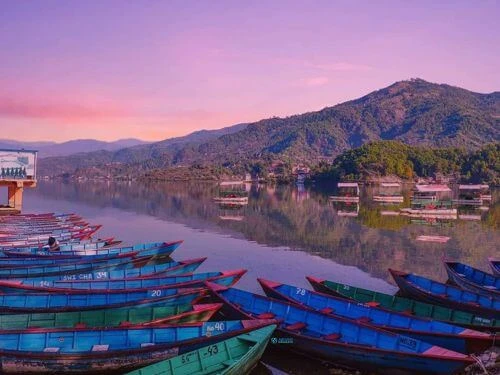
Pokhara is a major tourist city in central Nepal, known for its lakes, mountain views, and relaxed pace of life. The best things to do in Pokhara, whether that be boating, rafting, or exploring religious places, attract trekkers, leisure travelers, adventure seekers, and long-stay visitors in almost equal measure. Unlike busier cities, Pokhara allows travelers to slow down without feeling disconnected.
Most visitors come for the scenery. Many stay for the atmosphere. Pokhara offers a mix of structured activities and unstructured time, which makes it suitable for both active travel and rest-focused trips.
Where Is Pokhara and Why It Matters
Pokhara is located in central Nepal, approximately 200 kilometers west of Kathmandu. By road, the journey usually takes six to eight hours, depending on traffic and road conditions. By air, domestic flights connect Kathmandu and Pokhara in about twenty-five minutes.
The Pokhara city sits at an average altitude of around 822 meters above sea level, making it significantly lower than most trekking destinations. This altitude is comfortable for travelers and does not require acclimatization, even for first-time visitors to Nepal.
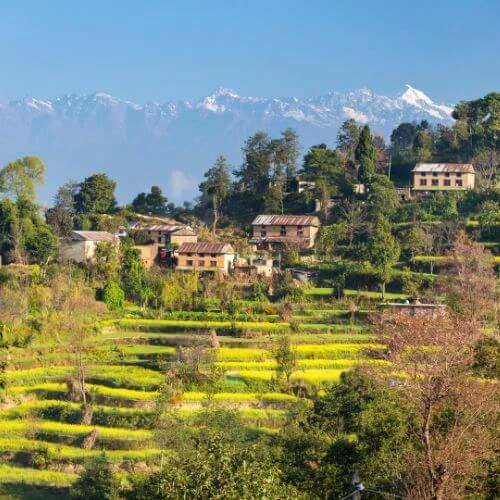
Pokhara lies directly below the Annapurna Range, which includes peaks such as Annapurna, Dhaulagiri, and Machhapuchhre. On clear days, these mountains are visible from many parts of the city, including lakeside areas.
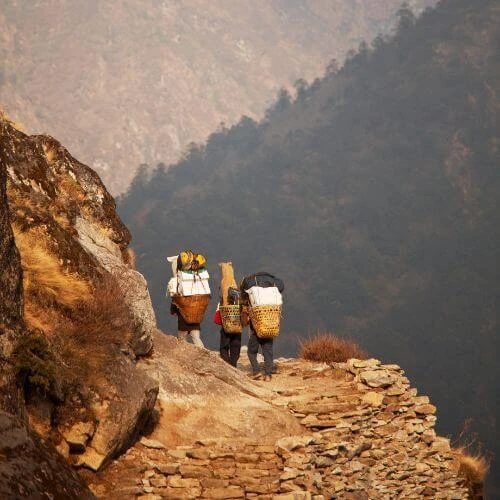
Pokhara matters because it serves as the main entry and exit point for the Annapurna trekking region. Treks like Annapurna Base Camp, Annapurna Circuit, and Ghorepani Poon Hill all pass through Pokhara. At the same time, the city has developed into a destination of its own, offering sightseeing, adventure sports, wellness retreats, and extended stays.
Its location allows travelers to experience Himalayan landscapes without committing to high-altitude trekking, which makes Pokhara accessible to a wide range of travel styles.
Pokhara works best when paired with places like Kathmandu, Lumbini, or the Annapurna region. Abound Holidays can design a seamless multi-destination itinerary that fits your schedule and travel style.
Understanding Pokhara’s Local Vibe
Pokhara has a calm and outward-facing character. Tourism has been part of the city for decades, and this has shaped local life in practical ways. Services are organized. Communication is easy. The pace remains slower than in larger cities.
The Lakeside area is the most visitor-oriented zone. It contains most hotels, cafés, tour offices, and restaurants. This part of the city feels social and relaxed, especially in the evenings.
Outside Lakeside, Pokhara functions like a regular Nepali city. Residential neighborhoods follow daily routines. Local markets serve nearby communities. This separation allows visitors to move between comfort and authenticity without effort.
Pokhara feels neither rural nor hectic. It sits comfortably in between, which is why many travelers extend their stay beyond initial plans.
Boat on Phewa Lake
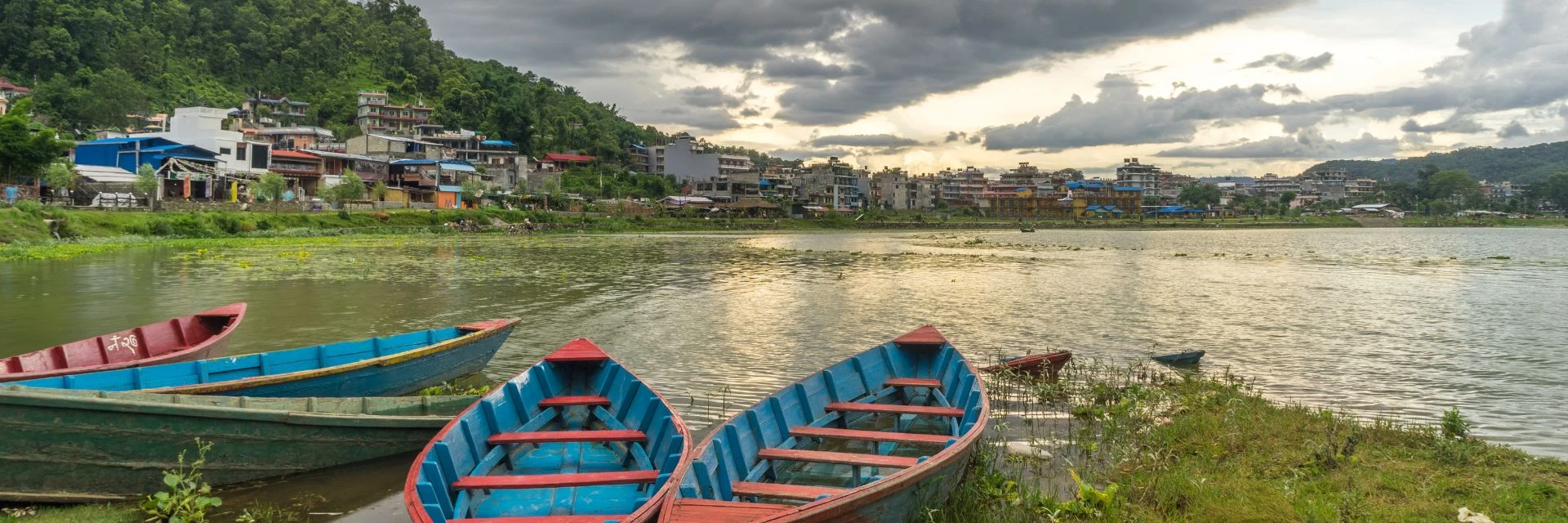
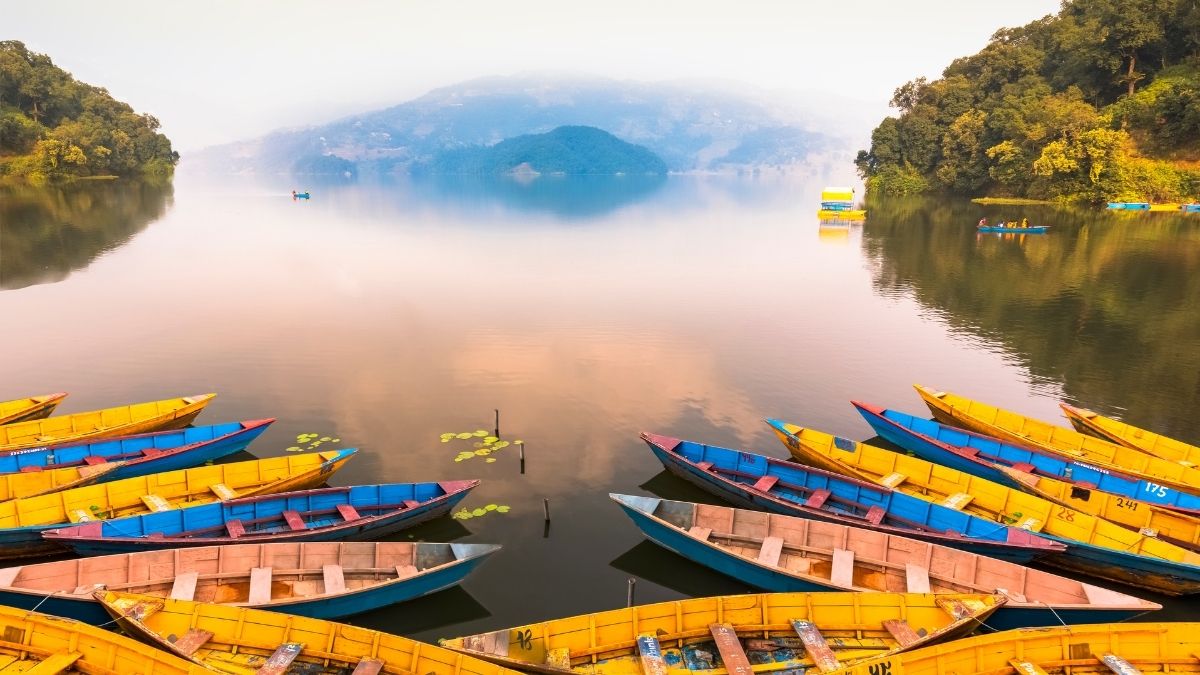
One of the best things to do in Pokhara that everyone agrees on is boating on Phewa Lake. Phewa Lake is the largest and most important lake in Pokhara. It covers an area of approximately 4.4 square kilometers and lies at an altitude of about 742 meters above sea level. The lake stretches along the southern edge of the city, with the hills rising immediately beyond its eastern shore.
What makes Phewa Lake significant is not only its size, but its position. It sits directly below the Annapurna range, and on clear mornings, the lake reflects peaks such as Machhapuchhre and Annapurna South. These reflections are strongest early in the day, before wind disturbs the surface.
Boating on Phewa Lake is informal and self-guided. Travelers rent traditional wooden boats by the hour from designated points along the Lakeside shore. Life jackets are provided. There is no fixed route or schedule. Most boats remain within the central and northern sections of the lake, where the water is calmer, and views are open.
At the center of the lake stands Tal Barahi Temple, a small Hindu shrine located on an island. Many visitors choose to stop here briefly, combining a short religious visit with their time on the water. Boats approach the island directly, and visits are typically short.
Visit the World Peace Pagoda
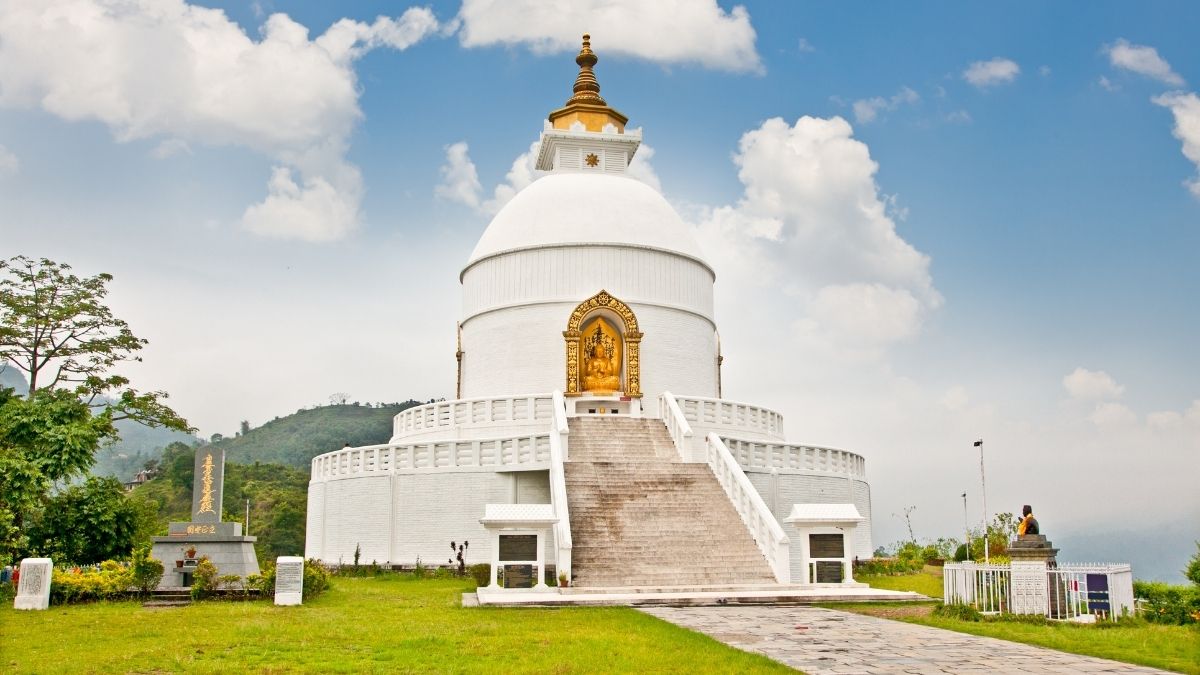
The World Peace Pagoda stands on a forested hill south of Phewa Lake, overlooking Pokhara Valley. It sits at an altitude of approximately 1,100 meters above sea level, high enough to provide wide views without requiring strenuous effort. The stupa was built as a symbol of peace and is part of a global network of similar monuments established by Buddhist communities.
From the pagoda, travelers can see Phewa Lake, much of Pokhara city, and on clear days, the Annapurna range in the distance. The viewpoint is broad and open, making it one of the more reliable panoramic stops among Pokhara tourist attractions.
There are two common ways to reach the pagoda. One option is by vehicle via a winding hill road from the city. The other is on foot, combining a short boat ride across Phewa Lake with a forest walk uphill. The walking route is shaded and gradual, suitable for travelers with moderate fitness.
Explore Davis Falls
Davis Falls is located in the southern part of Pokhara, approximately 2 kilometers from the Lakeside area, which serves as the city’s main tourist hub. By taxi or scooter, the journey typically takes 5 to 10 minutes, depending on traffic. The site lies at an altitude of roughly 820 meters above sea level, similar to the rest of the city.
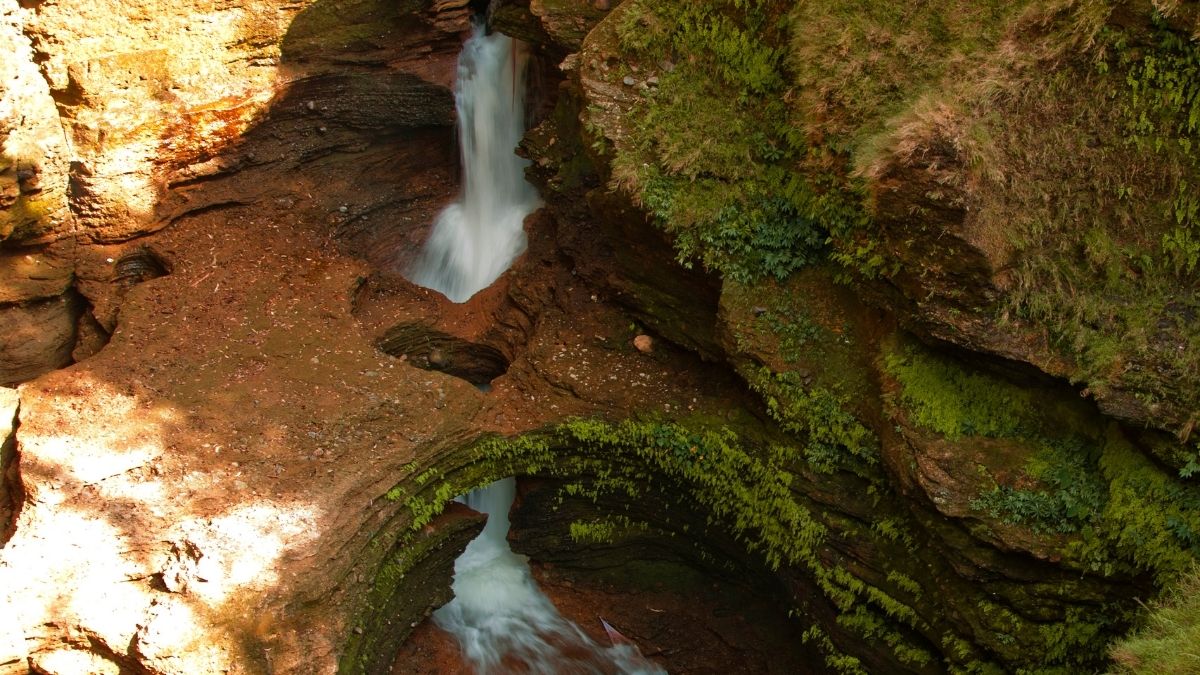
The waterfall is formed by overflow from Phewa Lake, and unlike conventional waterfalls, the water does not continue along a visible channel. Instead, it plunges into a narrow underground gorge and disappears from sight. This unusual behavior is the primary reason the site draws attention.
Water volume changes significantly by season. During the monsoon months from June to September, the flow becomes forceful and loud, filling the viewing area with mist. In drier months, the falls are quieter and less dramatic, though still operational year-round.
The viewing platform is compact and clearly structured. Most visitors spend 10 to 15 minutes here. Davis Falls is one of the best things to do in Pokhara as a short observational stop rather than a destination that requires extended time.
Enter the Gupteshwor Mahadev Cave
Gupteshwor Mahadev Cave is located directly opposite Davis Falls, on the same road, making the two sites naturally paired. The cave entrance sits at approximately 800 meters above sea level, slightly lower than the surrounding terrain due to its underground depth.
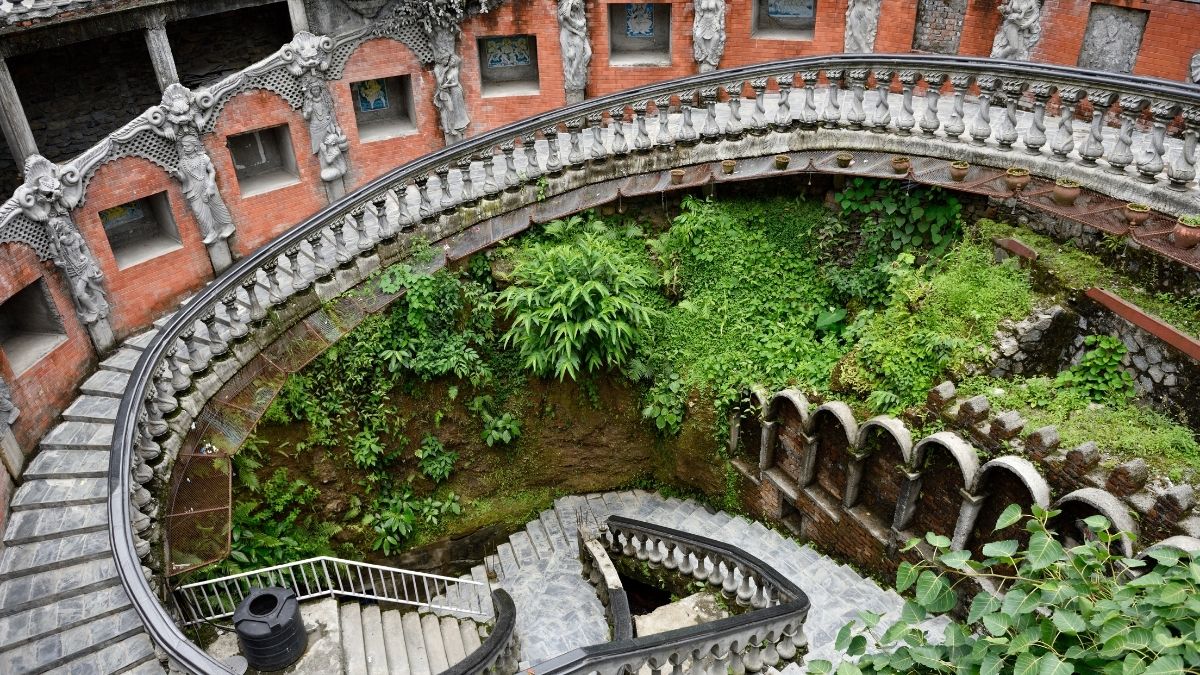
From Lakeside, reaching the cave takes 5 to 10 minutes by vehicle. Entry involves descending a long stone staircase into a narrow limestone cave system. The interior is cool, damp, and dimly lit. Handrails are present, but footing can be uneven, especially during the rainy season.
Inside the cave is a Shiva shrine, making it an active religious site. Deeper within, visitors can observe the underground flow of Davis Falls, where the water reappears briefly before continuing through unseen channels. This provides a rare perspective on the waterfall’s structure and movement.
Most visits last 20 to 30 minutes. Modest clothing and quiet behavior are expected, particularly near the shrine area. Photography may be restricted in certain sections.
Relax at Begnas Lake
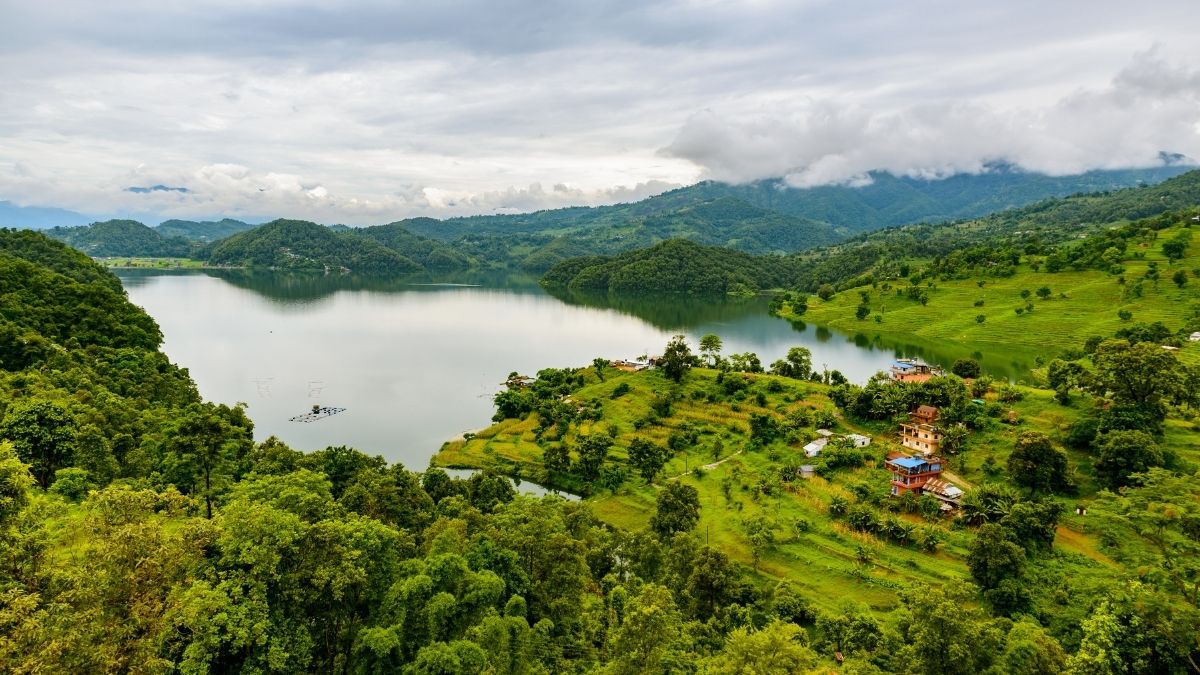
Begnas Lake is located about 13 kilometers east of Pokhara’s Lakeside area, making it one of the closest quiet escapes from the city. By taxi or private vehicle, the journey usually takes 30 to 40 minutes, depending on traffic and road conditions. The lake sits at an altitude of approximately 650 meters above sea level, slightly lower than Pokhara city.
Begnas Lake is the second largest lake in the Pokhara Valley, covering an area of around 3.3 square kilometers. Unlike Phewa Lake, the surrounding area remains lightly developed. There are fewer hotels, fewer cafés, and noticeably less movement. This difference defines the experience.
Boating is available, but at a slower, less commercial scale than in Pokhara city Nepal. Most visitors spend two to three hours here, usually combining a short walk, a meal, and time sitting by the water.
Experience Adventure Sports in Pokhara
Pokhara is widely regarded as Nepal’s main adventure hub, largely due to its geography. The city sits in a wide valley with steady wind patterns, open drop zones, and immediate access to hills and rivers. Most adventure activities are concentrated within 5 to 15 kilometers of the Lakeside area, making them easy to reach without long transfers.
Paragliding from Sarangkot
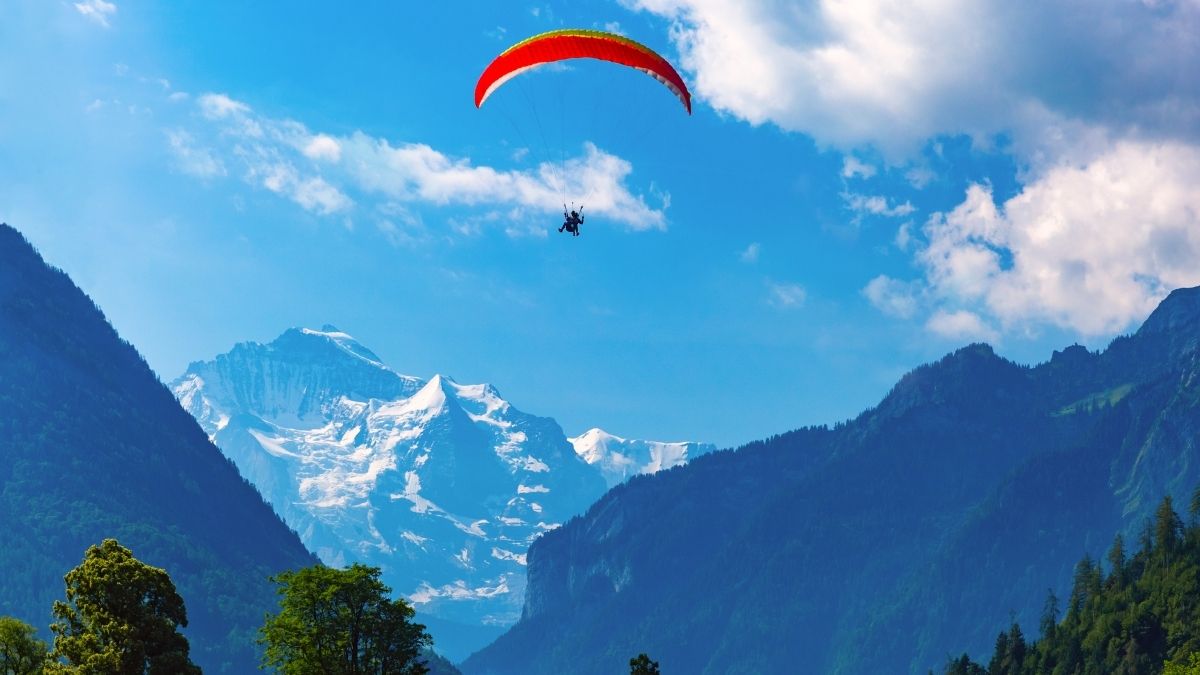
Paragliding is the most established adventure activity in Pokhara. Flights typically launch from Sarangkot at an altitude of around 1,600 meters, with landings near Phewa Lake at approximately 800 meters. The total flight time ranges from 20 to 30 minutes, depending on wind conditions.
From Lakeside, reaching the takeoff point takes 25 to 30 minutes by vehicle. Flights operate mainly in the morning when wind conditions are stable. No prior experience is required. Passengers fly tandem with licensed pilots.
This activity suits travelers who want a controlled introduction to adventure. It offers aerial views of lakes, hills, and on clear days, the Annapurna range, without physical exertion.
Zip Lining and Bungee Activities
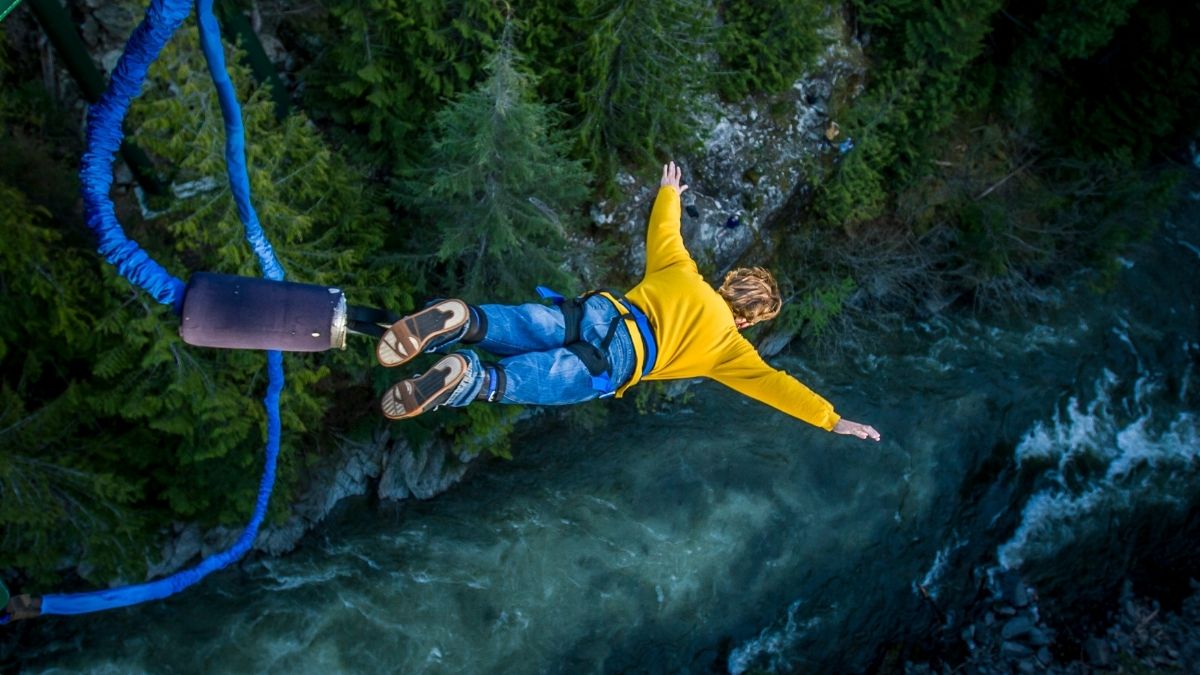
Zip lining and bungee-style activities are located outside the city core, generally 15 to 25 kilometers from Pokhara, with travel times of 45 to 60 minutes by road. These sites are set in steeper terrain, where vertical drop and open space allow for longer descents.
These experiences are more intense than paragliding and involve height exposure and speed. Operators provide full safety briefings and equipment, but participants should be comfortable with physical harnessing and height.
Ultra-light Flights
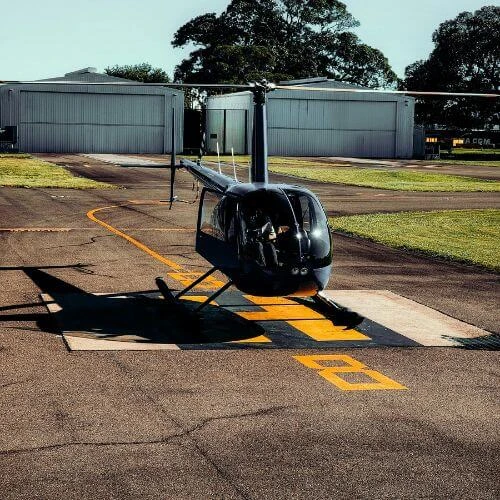
Ultra-light aircraft operate from a small airstrip near Pokhara, offering short scenic flights over Phewa Lake, Begnas Lake, and the surrounding hills. Flights usually last 15 to 30 minutes and fly at low altitude, giving close-range views of terrain rather than distant panoramas.
The weather is a limiting factor. Flights only operate in clear conditions, typically in the early morning. These are observational experiences rather than adrenaline-driven ones.
Adventure sports in Pokhara are well-regulated by local standards and supported by experienced operators. Activities are optional rather than central to the city’s identity. Travelers can engage deeply or skip them entirely without missing the core experience. This flexibility is what distinguishes Pokhara from destinations built solely around adventure.
Visit the International Mountain Museum
The International Mountain Museum is located in the Rato Pairo area of Pokhara, approximately 3.5 kilometers south of Lakeside. Reaching the museum takes 10 to 15 minutes by taxi, depending on traffic. The site sits at an altitude of around 830 meters above sea level, consistent with most of Pokhara city Nepal.
The museum was established to document and present Nepal’s relationship with the Himalayas. It focuses on three main themes: the world’s major mountain ranges, the history of Himalayan mountaineering, and the cultures of mountain communities. The building itself is spacious and well organized, designed for slow movement rather than quick browsing.
Inside, visitors find detailed exhibits on peaks such as Everest, Annapurna, and Dhaulagiri, along with information about notable expeditions and climbers. Cultural sections explain how people living in high-altitude regions adapt to climate, terrain, and isolation. These exhibits add context that many travelers miss when only viewing mountains from a distance.
Explore Old Pokhara Bazaar and Local Markets
Old Pokhara Bazaar lies north of Lakeside, approximately 3 kilometers from the main tourist hub. Reaching the area takes 10 to 15 minutes by taxi or local bus. The bazaar sits at an altitude of around 830 meters above sea level, similar to most residential parts of Pokhara city, Nepal.
This part of Pokhara predates the Lakeside tourism zone. Streets are narrower. Buildings are older. Commerce here serves local residents rather than visitors. Shops sell clothing, household goods, metalware, spices, and everyday necessities. Prices are fixed or lightly negotiable. Bargaining is modest and not expected to be aggressive.
Enjoy Food and Cafés in Lakeside Pokhara
Lakeside is Pokhara’s primary dining and social district. It runs along the eastern shore of Phewa Lake and stretches for roughly 3 kilometers from north to south. From most hotels in the area, cafés and restaurants are reachable on foot within five to ten minutes. The area sits at an altitude of around 820 meters above sea level, the same as much of Pokhara city, Nepal.
Food options in Lakeside are unusually varied by Nepali standards. Menus range from traditional Nepali meals to Tibetan, Indian, and Western dishes. This diversity exists because many establishments cater to trekkers, long-stay travelers, and international visitors who spend weeks rather than days in the city.
If you already know your travel dates, Abound Holidays offers reliable tour bookings with clear itineraries, local support, and experienced guides to help you explore Pokhara comfortably.
Best Time to Visit Pokhara
The best time to visit Pokhara depends on what travelers want from the city. Weather, visibility, and activity options change noticeably across the year, even though Pokhara’s altitude keeps temperatures moderate compared to higher Himalayan regions.
Pokhara sits at an average altitude of around 820 meters above sea level, which means it remains accessible year-round without altitude-related concerns. However, mountain visibility and outdoor comfort vary by season.
Autumn (September to November)
Autumn is widely considered the best overall season to visit Pokhara. Post monsoon air is clear, skies are stable, and visibility of the Annapurna range is at its peak. Daytime temperatures usually range between 20°C and 25°C, making conditions comfortable for walking, boating, sightseeing, and adventure sports. This is also the busiest season, especially for trekkers and paragliding activities.
For travelers focused on Pokhara sightseeing and mountain views, autumn offers the most reliable conditions.
Spring (March to May)
Spring is the second-best season and slightly warmer than autumn. Daytime temperatures often reach 25°C to 30°C, while mornings remain pleasant. This season is popular for adventure activities such as paragliding and ultralight flights. Rhododendrons bloom in the surrounding hills, adding color to the landscape. Mountain visibility is generally good, though light haze can appear later in the day.
Spring suits travelers interested in things to do in Pokhara that involve movement and outdoor time rather than purely scenic observation.
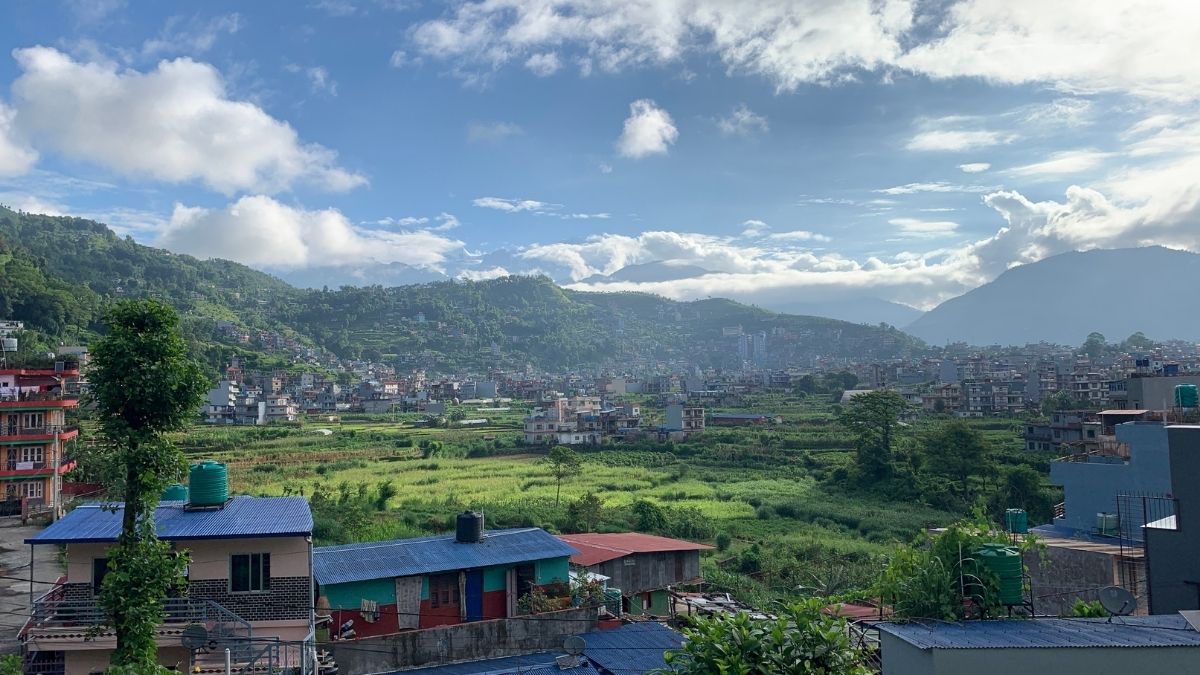
Monsoon (June to August)
Monsoon brings frequent rain, high humidity, and cloud cover. Temperatures remain warm, but mountain views are often obscured. Despite this, Pokhara becomes greener and quieter. Lakes appear fuller, waterfalls such as Davis Falls are at their strongest, and fewer tourists visit the city. Travel remains possible, but plans need flexibility.
This season works best for travelers who prefer fewer crowds and are less focused on clear mountain views.
Winter (December to February)
Winter in Pokhara is mild compared to northern Nepal. Daytime temperatures range from 10°C to 18°C, while nights can be cold. Mornings are often clear, offering sharp mountain views before haze develops later in the day. Adventure activities operate at reduced frequency, but sightseeing remains comfortable.
Winter suits travelers who prefer calm conditions and do not mind cooler evenings.
Where to Stay in Pokhara
Choosing where to stay in Pokhara has a direct impact on how the city feels. Pokhara is spread out, and each area offers a slightly different experience. Understanding location matters more here than hotel category.
Lakeside Area
Lakeside is the main tourist district and the most convenient place for first-time visitors. It runs along the eastern shore of Phewa Lake and sits at an altitude of about 820 meters above sea level. Most cafés, tour offices, restaurants, and walking paths are concentrated here.
Staying in Lakeside means:
- Walking access to boating points, cafés, and shops
- Easy pickup for paragliding and sightseeing tours
- A social atmosphere, especially in the evenings
Budget hostels, guesthouses, and mid-range hotels dominate this area. It suits travelers following a flexible Pokhara travel guide who want convenience and minimal transport planning.
Central Pokhara and Residential Areas
Areas slightly away from Lakeside, including central and residential neighborhoods, offer quieter stays. These locations are usually 2 to 4 kilometers from Lakeside, with travel times of 10 to 15 minutes by taxi.
These areas provide:
- Lower accommodation prices
- Less noise and fewer tourists
- Better access to local markets and daily services
This option suits travelers who plan to explore local life and do not mind short daily travel for sightseeing.
Outskirts and Resort Areas
Resorts and boutique properties are found on the outskirts of Pokhara, often toward hills or quieter lakeside zones. These locations can be 5 to 10 kilometers from the city center, with travel times ranging from 20 to 30 minutes.
These stays offer:
- More privacy and open space
- Mountain or lake views away from traffic
- A slower, retreat-like environment
They work best for longer stays, couples, or travelers focused on rest rather than frequent movement.
Choosing the Right Area
For most travelers, Lakeside remains the most practical choice. It reduces travel time and keeps daily movement simple. Those staying longer or seeking quiet may prefer residential areas or the outskirts.
Pokhara offers options across all budgets. What matters most is aligning location with travel style rather than aiming for luxury alone.
Every traveler moves at a different pace. Abound Holidays creates custom Pokhara itineraries and flexible booking for couples, families, solo travelers, and long stay visitors, tailored around sightseeing, rest, and optional adventure.
Practical Travel Tips for Visitors
Pokhara is one of the easiest cities in Nepal for travelers to navigate. Infrastructure is well developed, and services are geared toward visitors without feeling intrusive. A few practical considerations help ensure a smoother stay.
- Safety: Pokhara is generally safe for travelers. Normal awareness is sufficient, even when walking in the evening around Lakeside or central areas.
- Getting Around: Taxis are widely available and inexpensive for short distances. Lakeside and nearby areas are walkable. Scooters and bicycles can be rented, but traffic awareness is important.
- Money: Cash is still commonly used, especially in small shops and local markets. ATMs are widely available in Lakeside and central Pokhara, though occasional outages can occur.
- Language: Nepali is the primary language, but English is commonly spoken in hotels, cafés, tour offices, and transport services.
- Weather Awareness: Weather can change quickly, particularly near the lake and hills. Carrying a light jacket or rain layer is advisable, even on clear days.
- Cultural Etiquette: Modest dress is expected at religious sites. Shoes should be removed before entering temples and stupas. Quiet behavior is appreciated in spiritual spaces.
- Health and Comfort: Tap water is not safe to drink. Bottled or filtered water is recommended. Sunscreen is useful year-round due to altitude and sun exposure.
How Many Days to Spend in Pokhara
The ideal length of stay in Pokhara depends on pace and purpose. The city accommodates short visits without feeling rushed, while also rewarding travelers who stay longer.
Two Days
Two days are enough to see the main highlights. This timeframe allows visitors to explore Phewa Lake, visit key viewpoints such as Sarangkot or the World Peace Pagoda, and walk through Lakeside. It suits travelers with limited time who want a clear sense of the city without venturing far.
Three to Four Days
Three to four days provide a more balanced experience. Travelers can include adventure activities, visit Begnas Lake, explore Old Pokhara Bazaar, and spend unstructured time in cafés and walking areas. This duration supports a slower rhythm and offers space to adjust plans around weather and visibility.
One Week or More
A week or longer is common for trekkers, yoga practitioners, and long-stay visitors. Pokhara works well as a base for the Annapurna region and as a place to rest between activities. Extended stays allow travelers to experience the city beyond highlights and settle into its daily patterns.
Still deciding what to see and how long to stay? Abound Holidays can help you plan a well-paced Pokhara trip based on your travel time, interests, and season, without rushing or unnecessary stops.
Why Pokhara Deserves a Place on Your Nepal Travel List
Pokhara earns its place not through excess, but through balance. It offers access to the Himalayas without forcing altitude. It provides adventure without pressure. It allows rest without isolation. Few cities manage all three at once.
In Pokhara, travelers can choose their level of engagement. One day might be spent boating or walking quietly along the lake. Another can involve paragliding, hiking, or preparing for a trek. Nothing feels compulsory. The city adapts to the traveler rather than the other way around.
Pokhara also works as a pause point. After trekking, it offers recovery. Before trekking, it offers preparation. For those not trekking at all, it still provides scenery, culture, and daily life in a setting that remains approachable and human in scale.
When you are ready to take the next step, contact Abound Holidays for assist with clear planning, local insight, and reliable arrangements to help you experience Pokhara smoothly and confidently.
FAQs: Best Things to Do in Pokhara
What is Pokhara famous for?
Pokhara is famous for its lakes, Himalayan mountain views, and relaxed atmosphere. It is also the main gateway to the Annapurna trekking region and Nepal’s center for paragliding and adventure activities.
Is Pokhara worth visiting?
Yes. Pokhara is ideal for travelers who want nature, light adventure, and a slower pace without sacrificing comfort, accessibility, or good infrastructure.
How many days are enough for Pokhara?
Two to four days are enough to cover the main attractions in Pokhara. Travelers planning trekking, yoga retreats, or extended rest often stay a week or longer.
What are the best places to visit in Pokhara?
Key places to visit include Pokhara highlights such as Phewa Lake, Sarangkot, World Peace Pagoda, Davis Falls, Gupteshwor Mahadev Cave, Begnas Lake, and the International Mountain Museum.
What is the best time to visit Pokhara?
The best time to visit Pokhara is autumn from September to November and spring from March to May, when the weather is stable, and mountain visibility is highest.
Is Pokhara suitable for beginners in adventure sports?
Yes. Activities like paragliding and ultralight flights are beginner-friendly and conducted with trained, licensed operators following standard safety procedures.
Is Pokhara good for families and older travelers?
Yes. Pokhara’s low altitude, walkable areas, calm lakeside environment, and easy transportation make it suitable for families and older travelers.
Can Pokhara be visited without trekking?
Absolutely. Many visitors come only for sightseeing, lakeside walks, cultural sites, and short excursions without doing any trekking.
How far is Pokhara from Kathmandu?
Pokhara is about 200 kilometers west of Kathmandu. It takes six to eight hours by road or around twenty-five minutes by domestic flight.
Is Pokhara expensive compared to other cities in Nepal?
Pokhara is moderately priced. Lakeside areas are slightly more expensive, but food, transport, and accommodation remain affordable compared to international destinations.