Chitwan is Nepal’s most well-known lowland destination, famous for wildlife encounters, jungle landscapes, and a slower rhythm of travel that contrasts sharply with the country’s mountain regions. When travelers look for the Best Things to Do in Chitwan, they are usually seeking immersive nature experiences, guided safaris, and cultural insight rather than trekking or altitude-based adventure.
This blog serves as a practical and beginner-friendly Chitwan travel guide, explaining what Chitwan is really like, what visitors can expect to see and do, and how to plan a meaningful visit. From Chitwan National Park activities like Chitwan Jungle Safari to cultural experiences and riverside exploration, this guide covers the most important things to do in Chitwan while setting realistic expectations.
Start your journey to one of Nepal’s most popular tourist destinations with Abound Holidays.
Where Is Chitwan and Why It Matters
Chitwan is located in southern Nepal within the Terai region, a flat lowland belt that stretches along the border with India. This geographic position gives Chitwan a completely different climate, ecosystem, and lifestyle compared to Nepal’s hill and mountain areas.
The district lies approximately 160 kilometers from Kathmandu and around 150 kilometers from Pokhara. Depending on road conditions, travel usually takes between5 and 7 hours. Chitwan sits at an average altitude of about 150 meters above sea level and experiences a hot, humid, subtropical climate for much of the year.
Chitwan matters because it is Nepal’s most important wildlife preservation place. Its forests connect protected areas and allow animals to migrate safely between habitats. This ecological role is why Chitwan has become one of the most important tourist places in Chitwan and a key conservation zone in South Asia.
Understanding Chitwan’s Landscape and Geography
Chitwan’s landscape is shaped by wide Terai plains, dense sal forests, tall grasslands, and seasonal wetlands. These features create ideal conditions for large mammals and diverse birdlife.
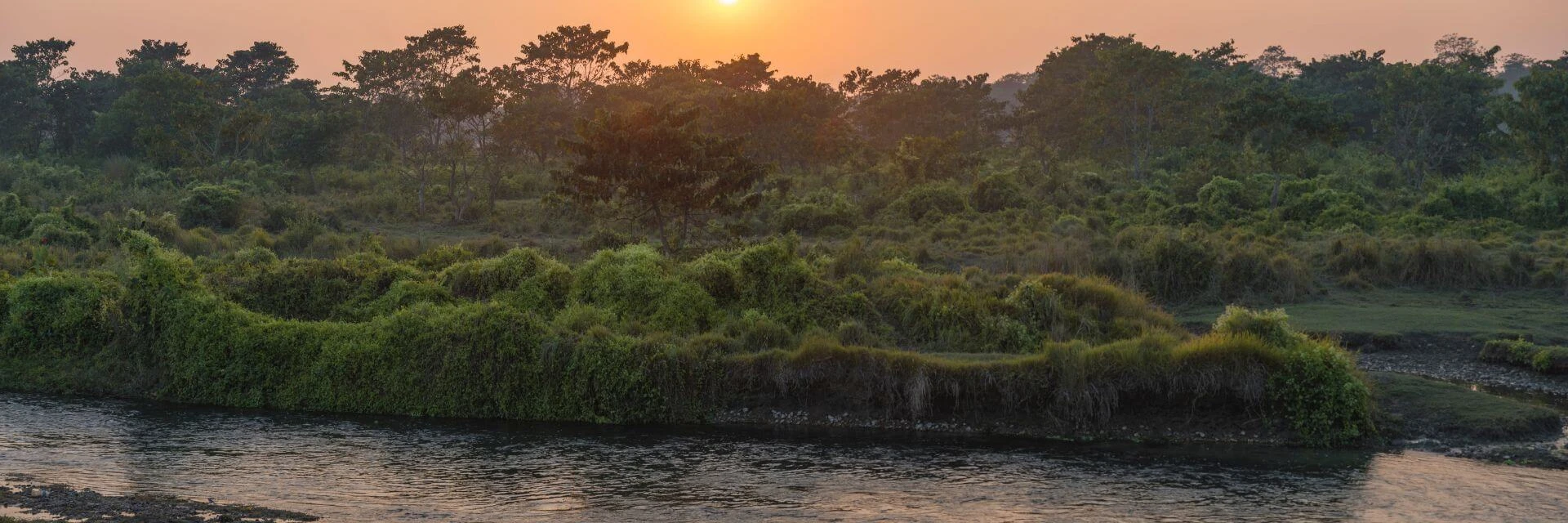
The Rapti and Narayani rivers are central to the region’s ecosystem. They provide drinking water for wildlife, support aquatic species, and form natural boundaries within the park. Many safari routes follow riverbanks because animals often gather there.
Surrounding the national park are buffer zones, where controlled human activity is allowed. These areas help reduce pressure on the park while supporting local livelihoods. Chitwan’s geography directly influences animal movement, which means wildlife sightings depend heavily on season, water availability, and vegetation density.
How to Reach Chitwan
Chitwan is easily accessible from Nepal’s major cities, making it a popular addition to many travel itineraries. Road travel is the most common option, with daily tourist buses and private vehicles operating from Kathmandu and Pokhara. The drive passes through river valleys and rural towns, offering a gradual transition from hills to plains.
Bharatpur Airport is the nearest airport, with regular domestic flights from Kathmandu. From the airport, Sauraha and other tourist areas can be reached by taxi in under an hour.
Local transportation within Chitwan includes taxis, electric rickshaws, bicycles, and walking. Most places to visit in Chitwan are clustered around Sauraha, making navigation simple for visitors.
Understanding Chitwan’s Local Vibe
Life in Chitwan moves at a noticeably slower pace compared to Kathmandu or Pokhara. Days are shaped by daylight, weather, and agricultural routines rather than fixed schedules.
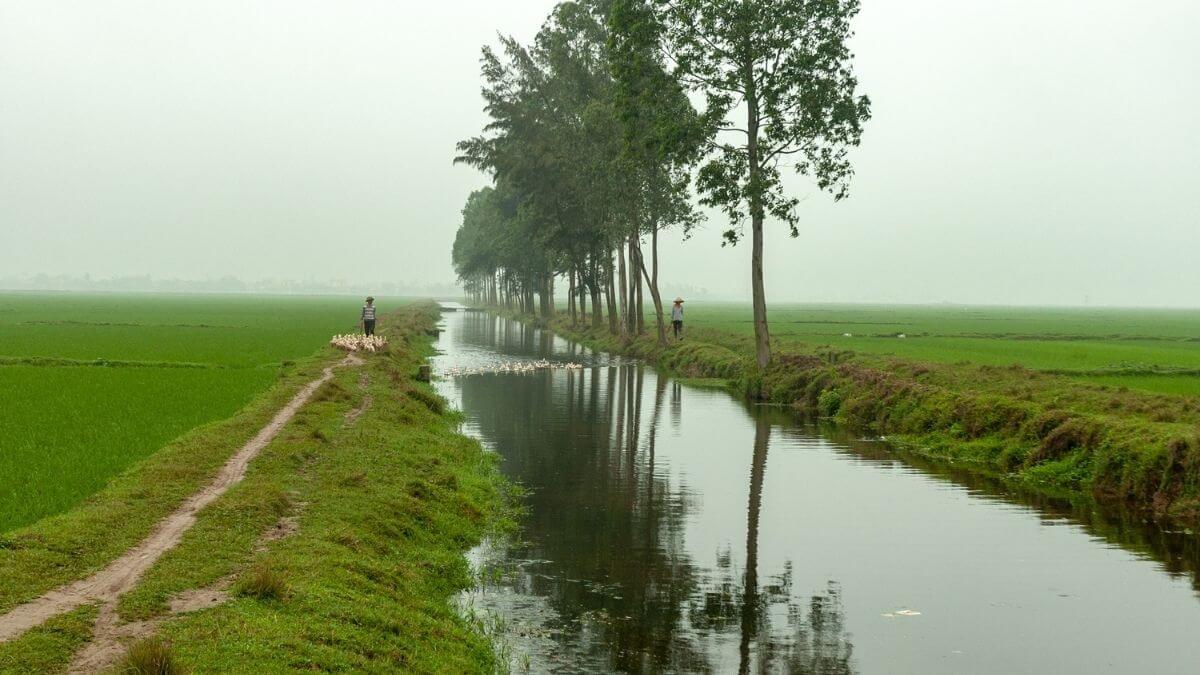
The Tharu culture has a strong influence on the region. Farming communities dominate rural areas, and traditional practices remain part of everyday life. Outside tourist centers, visitors will see rice fields, livestock, and simple village homes.
There is a clear divide between tourist zones and local settlements. While Sauraha caters to visitors, nearby villages continue their daily life largely unchanged. This contrast helps travelers understand the authentic social fabric of Chitwan city Nepal.
Best Things to Do in Chitwan
Chitwan offers a wide variety of nature-based and cultural activities that are accessible to travelers of all ages and fitness levels. Experiences are designed around observation, learning, and responsible interaction with nature.
Activities range from wildlife exploration to cultural encounters and relaxed riverside walks. Together, these experiences form the core of what to do in Chitwan Nepal.
Explore Chitwan National Park
Chitwan National Park is a UNESCO World Heritage Site and Nepal’s oldest national park. Covering more than 950 square kilometers, it includes core conservation zones and surrounding buffer areas.
The park protects one of the last remaining natural habitats of the Terai region. Unlike mountain parks, Chitwan focuses on lowland biodiversity, making it unique among Nepal’s protected areas.
Key features include:
- Dense sal forests and open grasslands
- Riverine ecosystems supporting aquatic life
- Strict conservation rules to protect endangered species
This diversity makes the park the centerpiece of most Chitwan sightseeing experiences.
Types of Safaris in Chitwan and Who They Are For
Jungle safaris are the main attraction in Chitwan, and each type offers a different way to experience the jungle.
Jeep Safari
Jeep safaris allow visitors to cover large areas of the park within a limited time. These trips usually last half or full days and follow designated routes. They are ideal for:
- Families and older travelers
- Wildlife photographers
- Visitors seeking comfort and safety
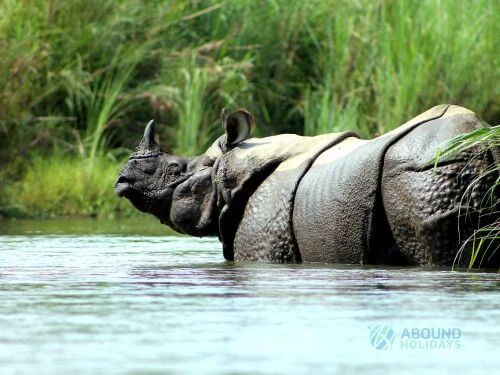
Common sightings include rhinos, deer, monkeys, and wild boar, making this the most popular Chitwan jungle safari option.
Walking Safari
Walking safaris are led by trained naturalists and armed guides. Group sizes are small, and safety protocols are strictly followed. This experience focuses on:
- Animal tracks and signs
- Plant species and medicinal herbs
- Understanding animal behavior
It suits experienced travelers but is not recommended for children or those uncomfortable with close wildlife presence.
Canoe Safari
Canoe safaris take place on the Rapti River using traditional wooden canoes. These rides are slow, quiet, and peaceful. Highlights include:
- Excellent birdwatching opportunities
- Frequent crocodile sightings
- Scenic views of riverbanks and forests
Early morning canoe rides offer the best wildlife activity.
Wildlife You Are Most Likely to See in Chitwan
Chitwan is known for reliable wildlife sightings, especially large herbivores. Visitors commonly see:
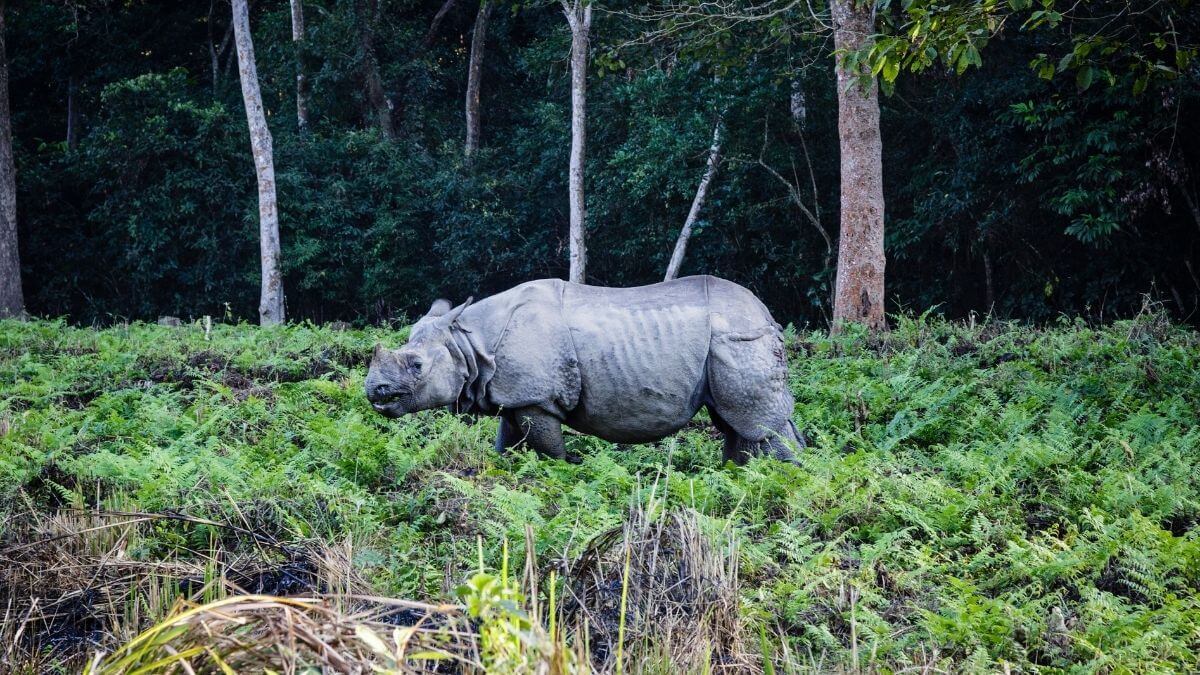
- One-horned rhinoceroses grazing in grasslands
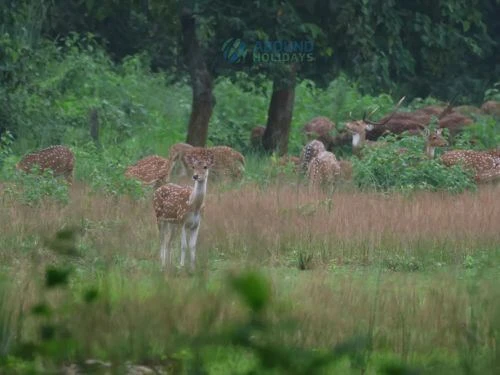
- Spotted deer, sambar deer, and barking deer
- Wild boar and rhesus monkeys
- Marsh mugger and gharial crocodiles
Birdlife is abundant year-round, with kingfishers, herons, egrets, and storks commonly seen. This makes Chitwan National Park activities rewarding even without rare animal sightings.
Wildlife That Is Rare but Possible
Bengal tigers are present in Chitwan, but sightings are rare due to dense vegetation and natural behavior. Even experienced guides cannot predict encounters. Other elusive species include:
- Leopards
- Sloth bears
- Pangolins
Understanding that sightings are never guaranteed helps travelers enjoy the overall ecosystem rather than focusing only on rare animals during a Chitwan wildlife tour.
Visit a Tharu Village
The Tharu people are indigenous to the Terai region and have lived in harmony with the jungle for generations. Village visits offer insight into:
- Traditional mud-and-thatch houses
- Farming tools and techniques
- Daily household routines
Responsible visits focus on observation and respectful interaction rather than staged experiences.
Experience Tharu Cultural Dance
Tharu cultural dances are usually performed in the evenings in Sauraha. These performances are based on traditional stories, festivals, and agricultural rituals.
While adapted for visitors, the dances still reflect important cultural themes. Understanding the meaning behind movements adds depth beyond entertainment.
Bird Watching in Chitwan
Chitwan is one of Nepal’s best birding destinations, with over 500 recorded species. Birdwatching highlights include:
- Winter migratory birds from Siberia and Central Asia
- Riverine species along the Rapti and Narayani rivers
- Grassland birds that are unique to the Terai
Winter and early spring offer the best visibility and diversity.
Nature Walks and Jungle Walks
Nature walks take place mainly in buffer zones under expert guidance. These walks emphasize education over wildlife encounters. They focus on:
- Forest ecology and food chains
- Insects, reptiles, and plant life
- Understanding conservation efforts
This activity suits travelers interested in learning rather than photography.
Visit the Elephant Breeding Center
The Elephant Breeding Center was established to support conservation and research. Visitors can:
- Observe elephants from a distance
- Learn about breeding and care programs
- Understand ethical concerns around elephant tourism
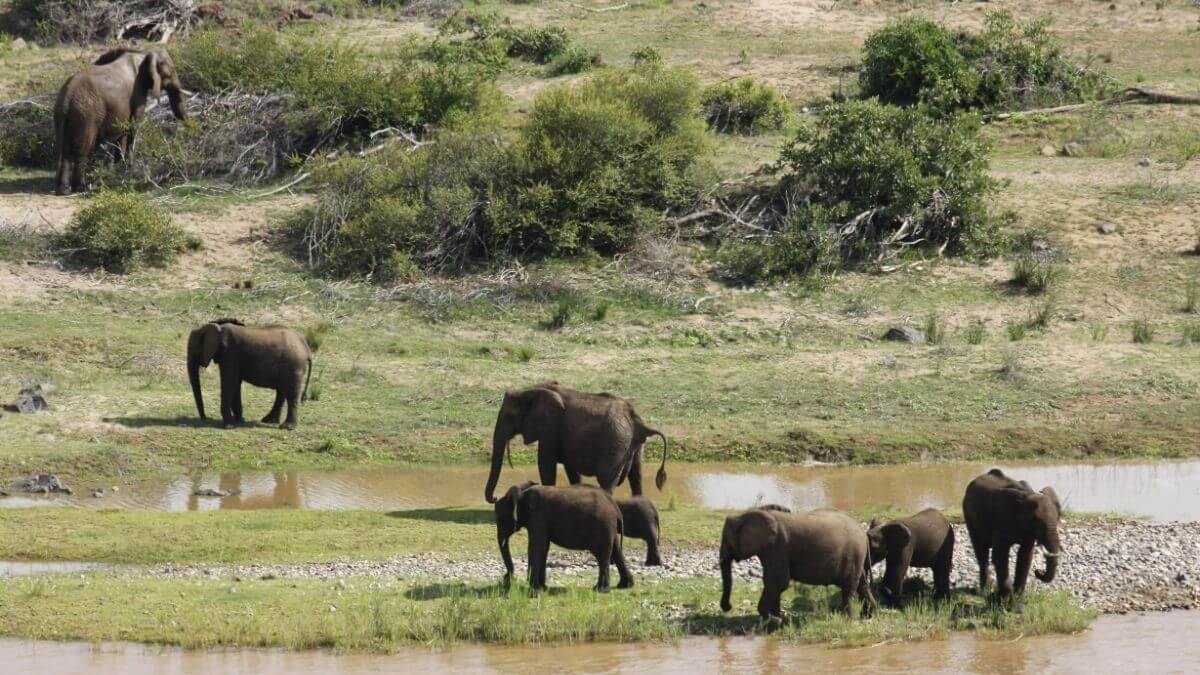
It is clearly separated from elephant riding activities, which are increasingly discouraged.
Explore Sauraha and Riverside Areas
Sauraha is the main tourist base for Chitwan and offers easy access to activities. Key highlights include:
- Relaxing walks along the Rapti River
- Sunset views over the river
- Restaurants, cafés, and souvenir shops
The relaxed atmosphere makes it one of the best places to visit in Chitwan. Contact Abound Holidays for a personalized day-by-day tour in Chitwan.
Responsible Wildlife Travel in Chitwan
Responsible travel protects both wildlife and local communities. This type of awareness is what keeps the wildlife safe and protected. We, as travelers who want to experience wildlife travel in Chitwan, must make sure that we preserve and do not destroy any attractions during our travel.
Ethical practices include:
- Choosing licensed guides and operators
- Avoiding activities that disturb animals
- Following park rules and safety instructions
Travelers play a key role in preserving attractions in Chitwan for future generations.
Best Time to Visit Chitwan
The best time to visit Chitwan is during the spring and autumn seasons. Both seasons provide the best possible weather and climate for exploration and adventure. As each days are not too hot or cold and the weather remains sunny most of the time, you can go through your expedition without delay in optimal conditions.
- Autumn (October–November) offers pleasant temperatures and good wildlife visibility. Winter (December–February) provides cooler weather and clear days.
- Spring (March–May) is hotter, but wildlife is active near water sources. Monsoon (June–September) brings lush landscapes, but limits travel.
Where to Stay in Chitwan
Accommodation options suit all budgets and travel styles. Common choices include:
- Jungle lodges near park boundaries
- Mid-range hotels in Sauraha
- Budget guesthouses for short stays
Choosing the right location improves access to activities and comfort.
Practical Travel Tips for Visitors
Chitwan’s climate and wildlife environment require preparation. Useful tips include:
- Wear light, breathable clothing in neutral colors
- Follow the guide's instructions during safaris
- Carry cash, as ATMs are limited
- Respect wildlife and local customs
- Explore our packing list to prepare for jungle conditions.
How Many Days to Spend in Chitwan
One day allows a brief overview of major highlights. This will be a little hectic, as you will only get to go to major destinations without being able to explore leisurely. Whereas two to three days provide a complete wildlife and cultural experience. During your stay for 2 to 3 days, you will have enough time to experience all the adventure Chitwan has to offer without feeling rushed.
An expedition or adventure to Chitwan pairs well with Kathmandu or Pokhara, creating a balanced Nepal itinerary.
Why Chitwan Deserves a Place on Your Nepal Travel List
Chitwan offers wildlife experiences that cannot be found in Nepal’s mountain regions. Its jungles, rivers, and grasslands create a strong contrast to trekking destinations. The opportunity to slow down, observe nature, and learn about conservation makes Chitwan a meaningful addition to any trip.
Take a peek at the wildlife up close and experience the thrill with Abound Holidays. Contact us for further inquiry.
FAQs: Best Things to Do in Chitwan
What is Chitwan famous for?
Chitwan is famous for Chitwan National Park, wildlife safaris, and the Tharu culture. It is Nepal’s top lowland wildlife destination.
Is Chitwan worth visiting?
Yes, Chitwan is ideal for travelers interested in wildlife, nature, and cultural experiences away from the mountains.
How many days are enough for Chitwan?
Two to three days are enough for most visitors to enjoy safaris, village visits, and relaxation.
What animals can you see in Chitwan?
Visitors commonly see rhinos, deer, crocodiles, birds, and occasionally Bengal tigers.
What is the best time to visit Chitwan?
October to March offers comfortable weather and better wildlife viewing as the climate and weather are the best during these months.
Is Chitwan suitable for families?
Yes, Chitwan is suitable for families with both young and old, when activities are guided and well planned.