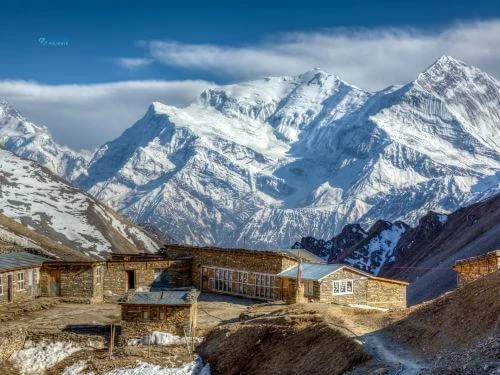
 based on 5 reviews
Annapurna Circuit Trek Accommodation is really important for your whole trekking experience, especially if it’s your first long trek in Nepal. Unlike hotels in the city, places to stay on the Annapurna Circuit are simple mountain teahouses that give you basic shelter, meals, and a spot to rest after a long day of walking. Knowing what’s coming helps you plan how far to walk each day, stay comfortable, and get ready mentally for life on the trail.
This guide explains how accommodation works on the Annapurna Circuit, how it changes with altitude and season, and what facilities you can realistically expect each night. From room types and food to village-wise accommodation standards, this blog covers everything first-time trekkers need to know. If you are considering the Annapurna Circuit Trek, understanding accommodation early helps you plan better and avoid surprises along the way.
Curious about what staying on the Annapurna Circuit is really like? Stay updated with Abound Holidays for practical insights.
Overview of Annapurna Circuit Trek Accommodation
Annapurna Circuit Trek accommodation mainly consists of teahouses, which are small, locally run lodges found in almost every village along the trail. These teahouses serve as sleeping places, dining areas, and social spaces for trekkers each evening. The system is simple but efficient, allowing trekkers to complete the circuit without carrying camping equipment.
Accommodation quality varies depending on altitude, village size, and accessibility. Lower villages often have more developed lodges, while higher-altitude settlements focus more on warmth and shelter than comfort. Overall, trekkers should expect basic but functional lodging throughout the route.
Teahouses and Lodges
Annapurna teahouses are run by local families and are the main type of Annapurna trek accommodation. They have private or shared rooms, hot meals, and common dining areas where trekkers hang out at night. Most villages along the circuit have a few teahouses, so you can choose where you want to stay.
Facilities change depending on the place. Bigger villages have better services, while smaller, remote villages are simpler. Even so, teahouses are still safe, reliable, and set up well for trekkers.
Homestay-Style Lodging in Lower Villages
In some lower villages of the Annapurna area, you can find homestay-style lodging. These let trekkers see local daily life and spend time with the host families. Meals are often shared, and the vibe is more personal than in regular lodges.
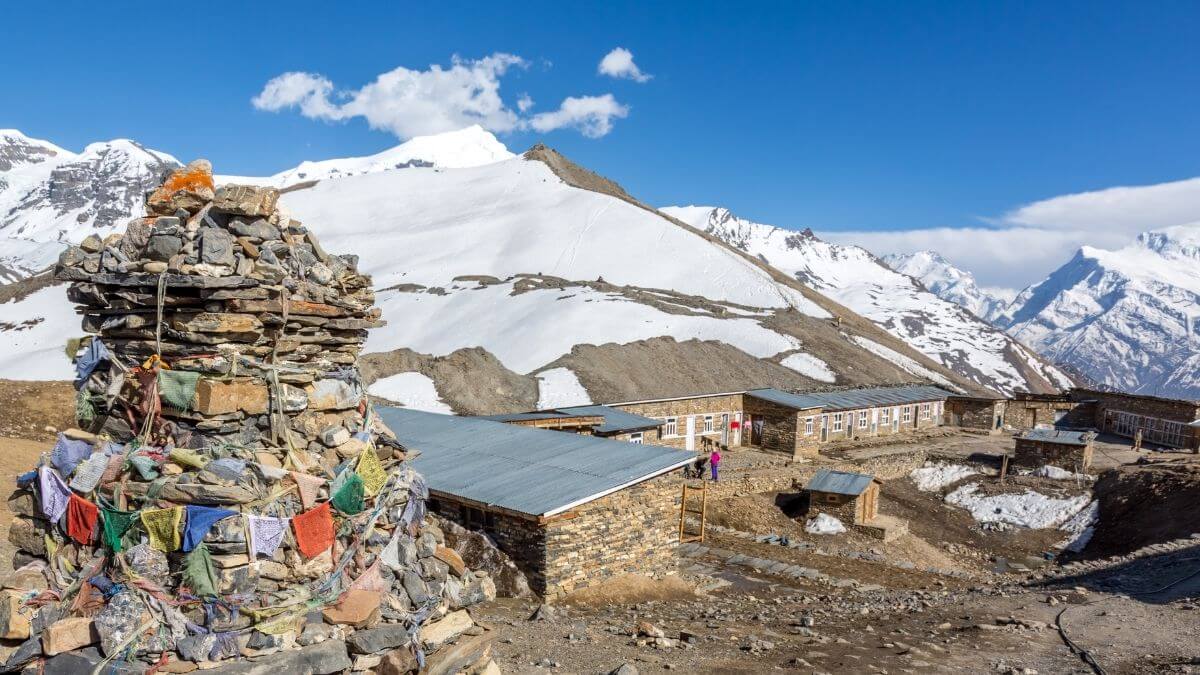
Homestays aren’t everywhere on the circuit and depend a lot on where you are and the season. When you can stay in one, it’s more about learning local culture than getting extra comfort.
Room Types and Sleeping Arrangements
Rooms along the Annapurna Circuit are made for practical use, not luxury. Most trekkers stay in simple twin or shared rooms, especially in busy seasons. Knowing about these rooms helps you have the right expectations and plan for comfort.
As you go higher in altitude, rooms become harder to find, so being flexible is important during busy times.
Twin Rooms and Shared Rooms
Twin rooms with two single beds are common in bigger villages and popular stops. These rooms are small, usually with wooden beds and very little furniture. In smaller or high-altitude villages, shared or dorm-style rooms are more usual.
Private rooms might be available, but they are limited and usually cost more during peak trekking months. Getting there early gives you a better chance of a good room.
Bedding and Warmth
Most teahouses provide basic mattresses, pillows, and blankets. But nights can get very cold, especially above 3,500 meters. A good sleeping bag is strongly recommended to stay warm.
Heating is usually only in the dining areas with a central stove in the evening. Bedrooms rarely have heat, so warm clothes are important for sleeping comfortably.
Facilities You Can Expect in Annapurna Circuit Teahouses
Facilities along the Annapurna Circuit are simple and shared. Understanding what is standard and what is limited helps trekkers prepare properly and avoid discomfort. Convenience decreases as you gain altitude, making preparation more important at higher villages.
Toilets and Showers
Shared toilets are standard in most teahouses and are often located outside the main building. Western-style toilets are more common in lower villages, while squat toilets dominate higher elevations.
Hot showers are usually available for an extra cost in lower- and mid-altitude villages. At higher altitudes, hot water becomes limited or unavailable due to cold conditions.
Electricity and Charging
Electricity is often solar-powered, especially in remote villages. Charging phones, cameras, or power banks usually costs a small fee per device.
Power outages are common, so carrying a power bank is recommended. Lighting in rooms may be basic or unreliable at higher elevations.
Knowing these basics helps you plan for Annapurna Circuit gear and expectations for each night on the trek.
Food and Dining at Annapurna Circuit Accommodation
Meals are served in shared dining areas and are an essential part of teahouse life. Trekkers usually eat where they stay, as teahouses rely on food orders to support operations. Menu variety depends on altitude and supply access, but meals are designed to be filling and energy-rich.
Common Meals Available
Dal bhat is the most common and dependable meal along the trail. It includes rice, lentils, vegetables, and sometimes pickles and is often refillable.
- Noodles and pasta
- Soups
- Eggs and omelets
- Bread, pancakes, and potatoes
Food Availability by Altitude
As elevation increases, food choices become more limited. Fresh vegetables and meat are harder to transport to higher villages, reducing menu variety. Prices increase with altitude due to transportation costs. Eating local meals is usually more affordable and satisfying.
Teahouse Accommodation at Major Stops on the Annapurna Circuit
Accommodation standards vary by village depending on altitude, accessibility, and trekking traffic. Grouping villages helps trekkers visualize comfort levels and plan rest days efficiently.
As you move higher, accommodation becomes simpler, colder, and more crowded during peak seasons. Rather than luxury, teahouses focus on providing warmth, shelter, and basic services.
Besisahar to Dharapani
This part of the trail includes Besisahar, Bhulbhule, Jagat, and Dharapani, where many itineraries officially start. Accommodation here is more comfortable compared to higher sections of the trek. Most teahouses have twin rooms with simple wooden beds, basic mattresses, and blankets.
Dining areas are bigger, the menus have more options, and electricity is usually available, especially in Besisahar and Dharapani. Hot showers might be offered for a small fee, though water pressure can be hit or miss. These villages are great for getting used to teahouse life and settling into daily trekking routines.
Chame to Upper Pisang / Ghyaru
Chame, Upper Pisang, and Ghyaru are more developed trekking villages with more teahouse options. Lodges here are usually stronger and better insulated because it’s colder. Twin rooms are common, and a few lodges have limited private rooms.
Dining halls are warmer and often heated in the evenings with stoves. You can also find small shops selling snacks, trekking gear, and basic medicines. These villages are important stops to get used to the altitude before heading higher.
Ghorepani and Tatopani
Ghorepani and Tatopani are some of the most comfortable stops on the circuit because they are popular and easy to reach. Ghorepani is mainly for trekkers going to Poon Hill, while Tatopani is known for its natural hot springs.
Annapurna teahouses here often have private rooms, and some lodges even have attached bathrooms. There are more food options, and hot showers are usually available, especially in Tatopani. These villages are popular for rest days, doing laundry, and spending time with local communities.
Chitre / Ghasa to Marpha
Accommodation between Chitre, Ghasa, and Marpha gets more basic again as the villages get smaller. Teahouses usually have twin or shared rooms with very simple furniture. Electricity can be unreliable, and there are limited places to charge devices.
Dining options focus on simple, filling meals like dal bhat, noodles, and soups. Marpha is a bigger village with better facilities, bakeries, and more comfortable lodges compared to the nearby smaller villages.
Kagbeni and Jomsom
Kagbeni and Jomsom are bigger towns with road and air access, so they are some of the most developed places to stay on the Annapurna Circuit. Trekkers can find many lodges with private rooms, reliable electricity, and hot showers.
There is a wider variety of food, and you can also find bakeries, shops, and the internet more easily. Jomsom is often used as a rest day stop or the end of the trek, so staying here is much more comfortable.
Muktinath and Thorong Phedi
Accommodation at Muktinath and Thorong Phedi is basic and focused on survival rather than comfort. Rooms are smaller, colder, and often shared, especially during peak season. Dorm-style sleeping arrangements are common at Thorong Phedi.
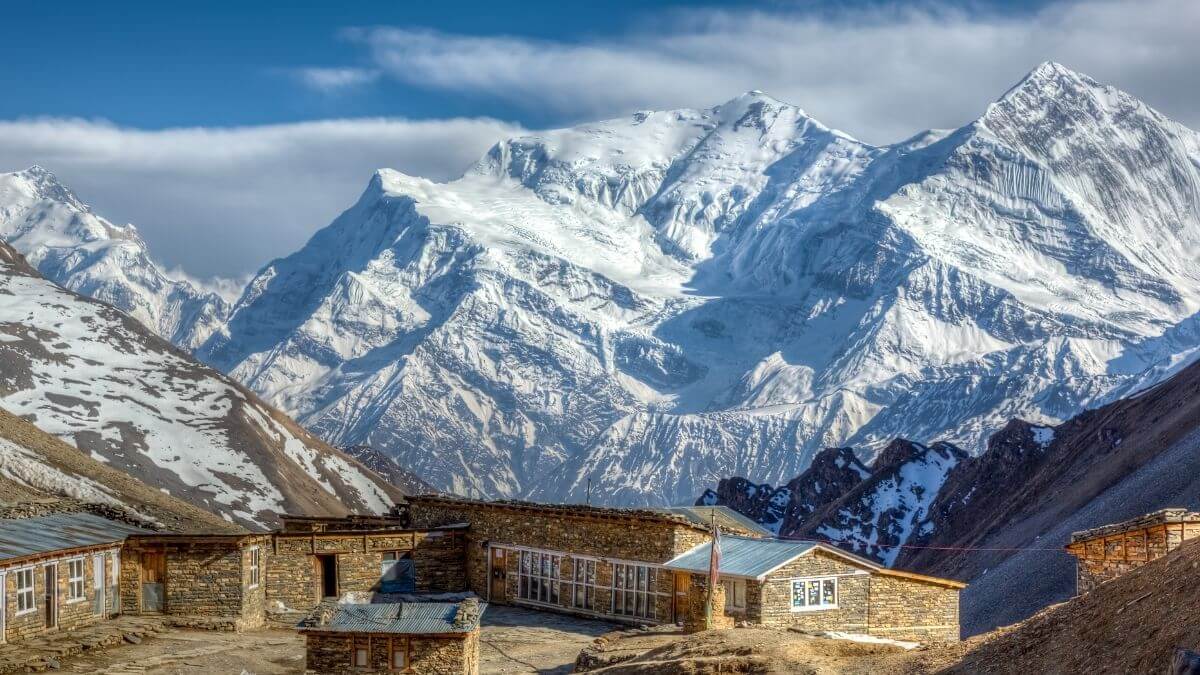
Indoor heating is limited, menus are short, and facilities are shared. Electricity may be unreliable. These villages are crucial acclimatization points before crossing Thorong La Pass, so rest and warmth become the main priorities rather than comfort.
Grouping stops helps you plan rest days, comfort levels, and altitude acclimatization more efficiently along the Annapurna Circuit.
How Accommodation Changes With Season
Season has a direct impact on the best Annapurna Circuit Trek accommodation availability, comfort, and overall experience. Temperature, trekking traffic, and supply logistics all influence how teahouses operate throughout the year. Understanding seasonal differences helps trekkers choose the right time and prepare accordingly.
Peak Season Conditions
Spring (March to May) and autumn (September to November) are the busiest trekking seasons. During these months, teahouses along the circuit operate at full capacity. In popular and high-altitude villages, rooms fill quickly by late afternoon.
Room sharing becomes common, especially at places like Thorong Phedi and Manang. Private rooms are limited, and Annapurna Circuit trek accommodation costs may be slightly higher due to demand. Food variety is at its best during peak season, and most teahouses remain open with full services.
For seasonal planning, you can refer to our Annapurna Circuit Trek weather and best time blog.
Off-Season Conditions
Winter (December to February) and the monsoon (June to August) have far fewer trekkers. Many teahouses stay open in the lower villages, but services get limited as you go higher. Some lodges at high altitudes might close completely because of the cold or few visitors.
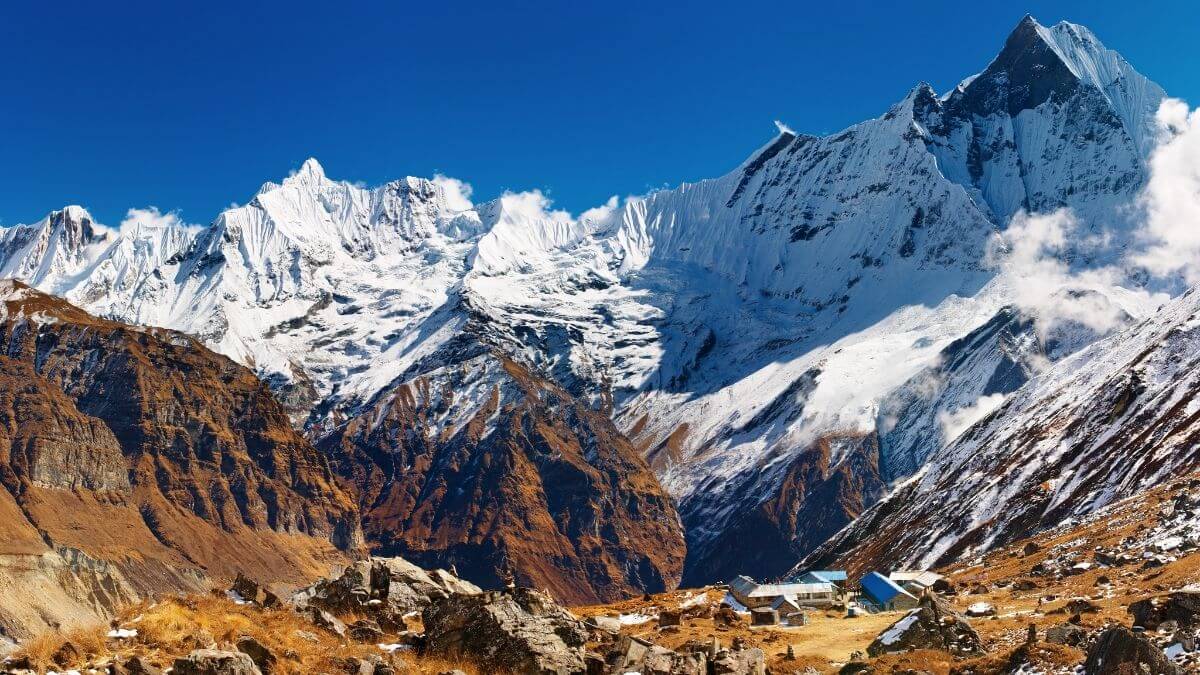
Rooms are easier to get, but heating, hot water, and food options might be limited. Winter nights can be very cold, while the monsoon season brings humidity and makes supplies harder to get. Trekking in the off-season means quieter trails but needs better preparation and flexibility.
Book Your Annapurna Circuit Trek with Abound Holidays
Abound Holidays has extensive experience managing Annapurna Circuit Trek accommodation logistics. Our team works with trusted local teahouses and lodges throughout the circuit.
By planning daily distances carefully, Abound Holidays helps trekkers balance comfort, safety, and acclimatization. If you need guidance on accommodation, permits, or overall planning, our local expertise provides clear and practical support.
If you want guidance on accommodation and planning for the Annapurna Circuit, contact Abound Holidays for clear and practical support.
Learn More About Annapurna Circuit Trek Here
Annapurna Circuit Trek | How to Prepare for Annapurna Circuit Trek | Seasonal Weather of Annapurna Circuit Trek | Essential Gears for Annapurna Circuit Trek | Necessary Permits for Annapurna Circuit Trek
FAQs
What types of accommodation are available on the Annapurna Circuit trek?
Annapurna teahouses are the main type of accommodation, offering simple rooms, meals, and shared facilities. Some lower villages also have limited homestay-style lodging.
Are private rooms available in popular villages?
Yes, private rooms can be found in bigger villages like Manang, Jomsom, and Ghorepani, especially during less busy times.
Do teahouses provide blankets or sleeping bags?
Blankets are usually provided, but sleeping bags are not. It’s a good idea to bring your own sleeping bag.
Is hot water available along the trek?
Hot water is usually available in lower villages for an extra cost, but it becomes harder to find at higher elevations.
How cold do rooms get at higher altitudes?
Rooms can get very cold, often below freezing at night above 3,500 meters.
Can accommodation be booked in advance?
Booking ahead is not common and usually not needed. Most trekkers arrange where to stay each day.
Is electricity available in all teahouses?
Most teahouses have electricity, often solar-powered, but outages are common in remote areas.
How does Annapurna Circuit accommodation compare to the Everest region?
Annapurna trek accommodation is usually similar to Everest in popular areas, but comfort goes down at higher altitudes in both regions.